What F2P tutorial element boosts first-time purchase?
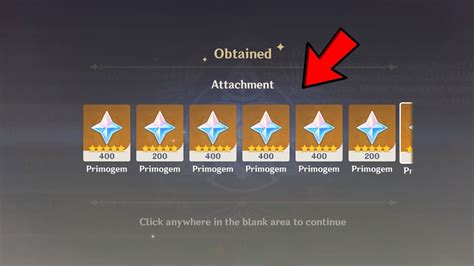
In the highly competitive free-to-play (F2P) gaming market, converting a new player into a paying customer is a critical milestone. The tutorial, often the player’s very first interaction with the game, plays an outsized role in setting expectations and subtly introducing the game’s economy. While the primary goal of a tutorial is to teach core mechanics, smart integration of monetization elements can significantly boost first-time purchase rates without alienating new users.
The Critical Role of Tutorials in F2P Monetization
A well-designed tutorial doesn’t just teach button presses; it establishes the game’s long-term value proposition. For F2P titles, this includes the value of time versus money. Players learn the core loop, understand progression, and begin to grasp the resource economy. This foundational understanding is essential before any purchase decisions can be made. A tutorial is an opportunity to showcase premium content, demonstrate its benefits, and plant the seed for future spending.
![[Hiring] F2P Game Data Analyst @Freejam](/images/aHR0cHM6Ly90czQubW0uYmluZy5uZXQvdGg/aWQ9T0lQLlBnTnBMSll5XzhGRFlHOVZwUndJYWdIYUQ0JnBpZD0xNS4x.webp)
Key Tutorial Elements That Drive Early Purchases
1. Early Exposure to Premium Currency and Items
One of the most effective strategies is to expose players to premium currency and high-value items early on. This doesn’t mean forcing a purchase, but rather allowing players to see what’s available. For example, a tutorial might temporarily grant a powerful premium item for a single mission, or show a glimpse of a luxurious premium-only area. This creates desire and illustrates the potential power or aesthetic benefits of paid content.
Showing the ‘dream’ outcome that can be achieved through premium purchases can be a powerful motivator. This could be through a brief cinematic, a temporary boost, or even an NPC using a premium item. The key is to make it aspirational, not mandatory, during the initial learning phase.
2. The Compelling Limited-Time Starter Pack
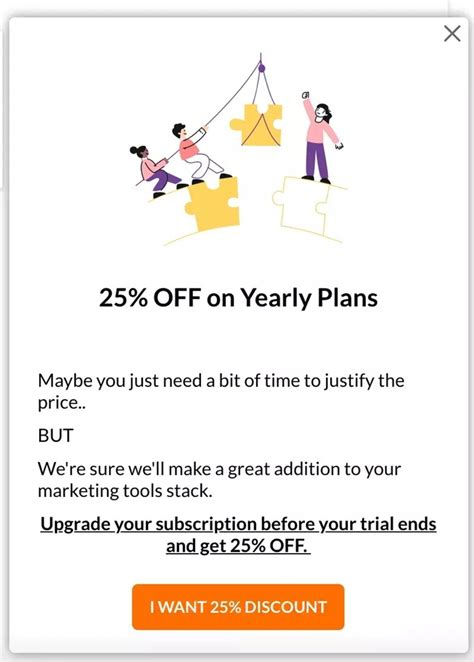
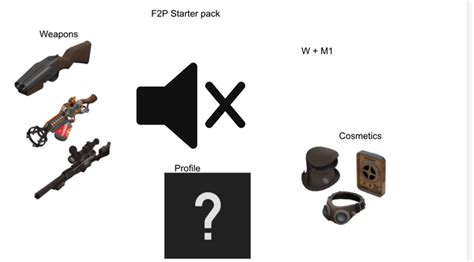
Perhaps the most potent single element is the introduction of a limited-time, highly discounted ‘Starter Pack’ or ‘New Player Bundle.’ This offer typically appears near the end of the tutorial or shortly after, and is explicitly framed as an incredible value for new players only. It often includes a mix of premium currency, essential resources, and perhaps an exclusive item that provides a tangible early game advantage.
The success of starter packs lies in their perceived value and scarcity. By presenting an offer that is clearly superior to purchasing items individually, and by applying a time limit, players are encouraged to make their first purchase while the game is fresh and exciting, and the fear of missing out (FOMO) is high.
3. Demonstrating Value and Progress Acceleration
The tutorial can subtly demonstrate how purchases alleviate common pain points or accelerate progression. For instance, after completing a particularly grindy early task, the game might show a prompt: “This could have been completed instantly with X premium currency!” or “Unlock this powerful upgrade immediately with a one-time purchase.” The aim is not to gate progress entirely, but to show that real money offers a significant convenience or speed boost.
Providing a small amount of premium currency for free during the tutorial, then having the player spend it on a minor but noticeable enhancement, can also be effective. This teaches the player *how* premium currency works and *what* it can buy, often leading to a desire for more once the free allowance runs out.
4. Seamless Integration and Non-Disruptive Prompts
The most successful monetization integrations are those that feel like a natural part of the game experience, rather than an abrupt advertisement. Prompts for first-time purchases should appear at logical breakpoints – perhaps after achieving an early milestone, unlocking a new feature, or encountering a minor bottleneck. They should not interrupt core gameplay or frustrate the player during critical learning moments.
Best Practices for Integration
- Clarity: Make the benefits of a purchase immediately obvious.
- Context: Present offers when they are most relevant to the player’s current stage or needs.
- Choice, Not Coercion: Players should feel they are making a beneficial decision, not being forced.
- Keep it Brief: The tutorial’s primary purpose is teaching; monetization should be efficient and quick.

Conclusion
The F2P tutorial is a powerful but sensitive tool for cultivating early monetization. By strategically exposing players to the value of premium content, offering compelling limited-time starter packs, and subtly demonstrating how purchases enhance the early gameplay experience, developers can significantly boost first-time purchase rates. The key is integration that feels natural and valuable, rather than intrusive, setting players on a path where they understand the game’s economy and are motivated to engage with it through their wallets.