What F2P gacha red flags signal predatory monetization & poor value?

Navigating the Treacherous Waters of Free-to-Play Gacha
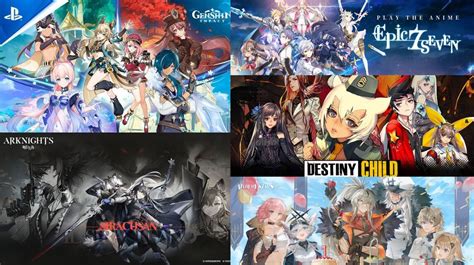
Free-to-Play (F2P) gacha games have become a dominant force in the mobile gaming landscape, luring players with the promise of endless entertainment without an upfront cost. However, beneath the polished surface and engaging gameplay lies a complex monetization system. While many F2P titles offer fair value, others employ predatory tactics designed to extract maximum revenue, often at the expense of player well-being and satisfaction. Understanding the red flags is crucial for distinguishing between genuinely enjoyable experiences and those engineered to exploit.
1. Obscure or Manipulative Drop Rates
One of the most telling signs of a potentially predatory gacha game is a lack of transparency regarding drop rates. Ethical gacha games clearly display the exact probabilities for obtaining specific characters, items, or rarities. Red flags include:
- Vague Probabilities: Terms like “low chance” or broad percentage ranges without specific numbers.
- Unclear Pity Systems: While pity timers (guaranteed pull after a certain number of failed attempts) can be player-friendly, predatory games might reset pity counts frequently, have extremely high thresholds, or only apply to specific banners, making them less effective.
- “Weighted” Rates: Hidden mechanics that secretly reduce the chance of pulling highly desired units, even within a displayed probability bracket.
If you have to dig through obscure menus or rely on community data to understand your chances, consider it a warning.

2. Aggressive Time-Limited Offers & FOMO (Fear Of Missing Out)
A common tactic to drive spending is the relentless assault of time-limited offers and events. These create a constant sense of urgency and FOMO, pressuring players to spend before an opportunity vanishes. Look out for:
- Constant Pop-ups: Aggressive in-your-face advertisements for new banners or bundles every time you log in or complete an action.
- “Must-Have” Units with Short Availability: Introducing incredibly powerful characters or items that are only available for a very short window, implying that missing them will severely hinder your progress.
- “Value” Packs that Aren’t: Bundles marketed as incredible deals but are still significantly expensive, often containing just enough premium currency to entice a follow-up purchase.
Games that constantly push you to spend “now or never” are often prioritizing quick revenue over long-term player engagement.
3. Excessive Power Creep & Rapid Obsolescence
Power creep is an inherent aspect of many live-service games, but in predatory gacha, it accelerates at an alarming rate. This makes previously powerful units quickly obsolete, pushing players to constantly chase the new “meta” through more pulls.
- Monthly Meta Shifts: New units arriving every few weeks that significantly outclass previous top-tier characters.
- Lack of Rebalancing: Older units are rarely buffed or given reworks to keep them competitive, ensuring that only the newest pulls remain relevant.
- Devaluing Past Investments: Players who spent heavily on a character a few months ago find their investment meaningless, forcing them to spend again to keep up.
A healthy gacha game allows for a diverse meta where older units can still find niches or remain viable, even if not always top-tier.

4. High Payout Walls & Unreasonable Grind
Some F2P gacha games are designed with an intentionally painful free-to-play experience to strong-arm players into spending. This manifests as:
- Core Progression Gated: Essential resources, character upgrades, or story progression becoming agonizingly slow or impossible without premium currency purchases.
- Excessively Restrictive Energy Systems: Energy (stamina) costs are too high, regeneration is too slow, or daily caps are too low, preventing meaningful play sessions without refills.
- Time-Gated Content: Features or events that require daily logins for weeks or months to get even a fraction of the rewards, encouraging consistent engagement for minimal return unless you pay.
If the free experience feels like a constant uphill battle where every step forward requires a payment, it’s a clear sign of poor value.

5. Misleading UI/UX & Psychological Manipulation
Predatory gacha games often employ subtle (and not-so-subtle) psychological tricks within their user interface and experience:
- Gambling-like Aesthetics: Flashing lights, celebratory animations, and sounds for pulls, mimicking the excitement of a slot machine.
- Complex Currency Systems: Multiple layers of premium currencies, often requiring real money to be converted into an intermediary currency before purchasing what you want, obscuring the actual cost.
- “Anchor Pricing”: Displaying exorbitantly priced bundles next to slightly less expensive ones to make the latter appear like a “good deal,” even if they are still overpriced.
These design choices aim to bypass rational decision-making and encourage impulsive spending.
Conclusion: Play Smart, Not Exploited
While gacha games can offer immense enjoyment, it’s vital to approach them with a critical eye. By recognizing these red flags—obscure drop rates, aggressive FOMO, rapid power creep, high payout walls, and manipulative design—you can make informed decisions about where to invest your time and money. Prioritize games that respect your intelligence and offer a fair, transparent, and genuinely rewarding experience, rather than those designed to prey on your impulses.