What F2P gacha red flags indicate predatory mechanics or poor value for players?
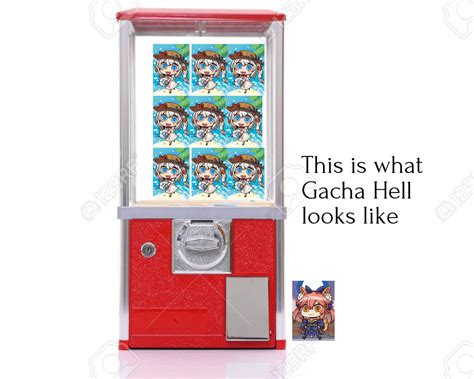
Free-to-play (F2P) gacha games have become a dominant force in the mobile gaming landscape, offering immediate access to engaging experiences. However, their monetization model, centered around randomized “gacha” pulls, often walks a fine line between sustainable business and predatory practices. For players, understanding the red flags is crucial to avoid falling into systems designed to exploit psychological vulnerabilities and provide poor long-term value.
Aggressive Monetization and Low Drop Rates
One of the most immediate red flags is an overly aggressive monetization strategy coupled with exceptionally low drop rates for desirable items or characters. If the core gameplay loop feels unsatisfying or progression grinds to a halt without constant spending, it’s a warning sign.
- Misleading Drop Rate Displays: Some games obfuscate true probabilities or present them in confusing ways. True transparency means clear, easily accessible percentages for every item in a banner.
- “Bait and Switch” Banners: Featuring highly desirable characters prominently, only for them to have abysmal pull rates or to be part of a multi-layered gacha system (e.g., pulling a character, then needing to pull their specific weapon/artifact for them to be viable).
- Lack of “Pity” Systems: A good gacha game usually includes a “pity” timer or guaranteed pull after a certain number of failed attempts. Games lacking this, or having extremely high pity thresholds, often indicate a disregard for player investment.

Essential Progression Locked Behind Paywalls
Another significant red flag is when essential progression, beyond mere convenience, becomes gated by monetary spending. This doesn’t just mean faster progression but required spending to meaningfully advance or compete.
- Energy Systems that Stifle Play: While energy systems are common, overly restrictive ones that recover slowly and are expensive to refill can make a game feel more like a chore than fun unless you pay.
- “Pay-to-Win” (P2W) Core Loop: In competitive games, if the highest tier characters, gear, or abilities are almost exclusively obtainable through massive spending, creating an insurmountable gap between paying and F2P players, it’s a clear P2W model.
- Constant Power Creep: Rapid introduction of new, significantly more powerful units that make older, expensive units obsolete quickly can force players into a continuous spending cycle to keep up.
Psychological Manipulation and FOMO
Predatory gacha games often employ psychological tactics to encourage spending, preying on player insecurities and desires.
- Fear of Missing Out (FOMO): Limited-time banners, seasonal events with unique rewards, and daily login bonuses that reset if missed all contribute to FOMO, pressuring players to log in and spend, even if they don’t want to.
- Sunk Cost Fallacy Exploitation: Players who have already invested significant time and/or money are more likely to continue spending, even if they are unhappy, due to the psychological reluctance to abandon their “investment.”
- Manipulative UI/UX: Dark patterns in user interface design, such as making it easier to spend premium currency than earn it, or constantly pushing pop-ups for new offers, can nudge players towards unwanted purchases.

Poor Value and Disrespect for Player Time
Beyond direct monetization, a game’s design can indicate poor value if it fails to respect a player’s time and effort.
- Excessive Grind with Minimal Reward: If the amount of grinding required to obtain resources or progress feels disproportionate to the rewards received, it devalues the player’s time. This is often exacerbated by limited energy systems.
- Irrelevant or Duplicative Rewards: Getting common, useless items from premium gacha pulls or having a large pool of low-value items that dilute the chances of getting something good can feel like a slap in the face.
- Poor Customer Service & Communication: A lack of transparency from developers, slow or unhelpful customer service regarding issues, or frequent unannounced nerfs/changes can erode trust and indicate a disregard for the player base.

Conclusion
While F2P gacha games can offer immense entertainment, it’s vital for players to recognize the red flags that differentiate fair monetization from predatory practices. By being aware of aggressive monetization, paywalling essential progression, psychological manipulation, and a disrespect for player time, you can make informed decisions about where to invest your time and money, ensuring a more enjoyable and less exploitative gaming experience. Support games that prioritize player value and transparent, ethical monetization.