What F2P gacha mechanics trap players into overspending?

The allure of “free” is a powerful draw, and nowhere is this more evident than in the world of Free-to-Play (F2P) mobile games. Gacha mechanics, inspired by Japanese capsule toy machines, are at the heart of many F2P titles, offering players a chance to win rare in-game items or characters through randomized pulls. While seemingly harmless, these systems are expertly designed to leverage psychological triggers, often leading players down a path of unintended overspending. Understanding these mechanics is the first step towards recognizing and avoiding their traps.
The Illusion of “Free” and Incremental Spending
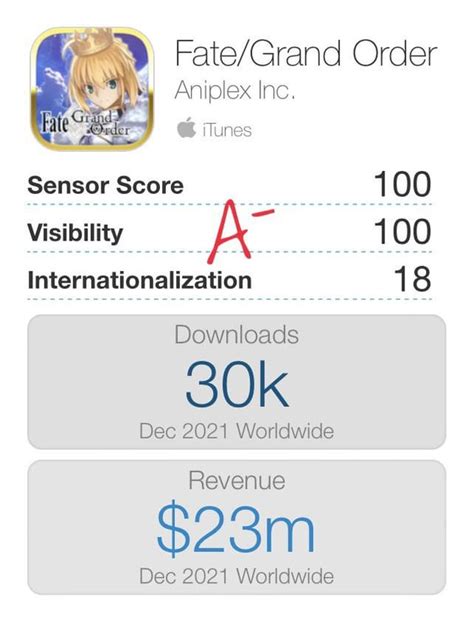
The fundamental premise of F2P is that anyone can download and play the game without an initial investment. This low barrier to entry quickly builds a large player base. However, the game’s core loop is often designed to make progress slow or difficult without spending. Desirable items, powerful characters, or cosmetic enhancements are locked behind gacha banners, pushing players to spend small amounts initially. These microtransactions, when viewed individually, seem insignificant, but they quickly accumulate, blurring the lines of how much has truly been spent.
Scarcity, Urgency, and the Fear of Missing Out (FOMO)
One of the most potent psychological tools in gacha games is the creation of artificial scarcity and urgency. Limited-time banners, event-exclusive characters, and season passes are commonplace. These elements prey on the “Fear of Missing Out” (FOMO), compelling players to pull now, knowing that the item might not be available again for a long time, if ever. This creates an emotional pressure to spend, bypassing rational financial decisions, especially when combined with powerful marketing and appealing character designs.
Pity Timers and “Guaranteed” Rewards
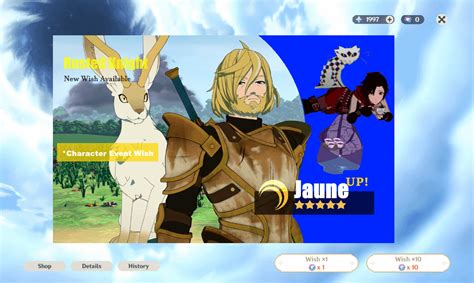
Many gacha systems incorporate “pity timers” or “spark systems.” These mechanics guarantee a rare item after a certain number of unsuccessful pulls. While seemingly player-friendly, they are masterful traps. A player might be X pulls away from a guaranteed high-rarity character; the system subtly encourages them to make just a few more pulls, even if they hadn’t planned to, because they’re “so close.” This turns a random chance into a perceived certainty, pushing players past their spending limits to reach that “guaranteed” reward, effectively turning a psychological hurdle into a spending accelerator.
The Sunken Cost Fallacy in Digital Form
Players invest not just money but also significant time and emotional energy into F2P gacha games. Building up a powerful roster, clearing challenging content, and engaging with the game’s community creates a strong sense of ownership and attachment. This investment makes players susceptible to the sunken cost fallacy: the reluctance to abandon an endeavor because of the resources already invested, even if continuing is detrimental. Players feel compelled to spend more to “protect” their existing investment or to catch up to new content, rather than letting their hard-earned progress go to waste.
Confusing Currency Systems and Value Manipulation
Gacha games often employ multiple layers of virtual currency (e.g., gems, crystals, primogems) that obscure the real-world cost. Players buy one currency to convert into another, which is then used for gacha pulls. This abstraction makes it harder to track actual spending. Furthermore, game designers frequently offer “value packs” or “first-time purchase bonuses” that appear to give more bang for your buck but are ultimately designed to encourage initial spending and establish a spending habit. These bundles can make spending feel like a smart financial decision within the game’s ecosystem, rather than a real-world expenditure.

Targeting “Whales” and Psychological Hooks
A significant portion of revenue in gacha games often comes from a small percentage of high-spending players, affectionately (or sometimes pejoratively) known as “whales.” Developers employ sophisticated data analytics to identify and cater to these players. VIP programs, exclusive offers, and personalized incentives are designed to keep whales engaged and spending. The continuous stream of new content, power creep, and competitive elements also ensures that whales feel the need to consistently open their wallets to maintain their top-tier status or complete their collections. The competitive aspect and desire for social recognition further fuel the spending cycle among these dedicated players.
Conclusion: Navigating the Gacha Landscape Responsibly
F2P gacha games are not inherently evil, but their monetization mechanics are undeniably sophisticated and often predatory. By understanding the psychological underpinnings of scarcity, urgency, pity timers, sunken costs, and currency obfuscation, players can better arm themselves against falling into overspending traps. Awareness is key: recognizing when these mechanics are at play and making conscious decisions about spending can help ensure that the “free” in Free-to-Play doesn’t end up costing you more than you ever intended.