What F2P gacha mechanics signal predatory spending traps for new players?
Understanding the Allure and the Trap
Free-to-Play (F2P) games, especially those incorporating gacha mechanics, have become a dominant force in the gaming landscape. They offer an enticing proposition: endless entertainment at no initial cost. However, beneath this accessible surface lies a complex web of design choices, some of which are expertly crafted to encourage, and at times manipulate, player spending. For new players, recognizing these predatory spending traps is crucial to enjoying the game without falling into financial pitfalls.
Gacha mechanics, inspired by Japanese capsule toy machines, involve players spending in-game currency (often purchased with real money) for a random chance to win desirable virtual items, characters, or upgrades. While not inherently bad, certain implementations leverage psychological vulnerabilities to drive monetization, turning what should be fun into a high-stakes gamble.
1. Opaque Probabilities and Hidden Odds
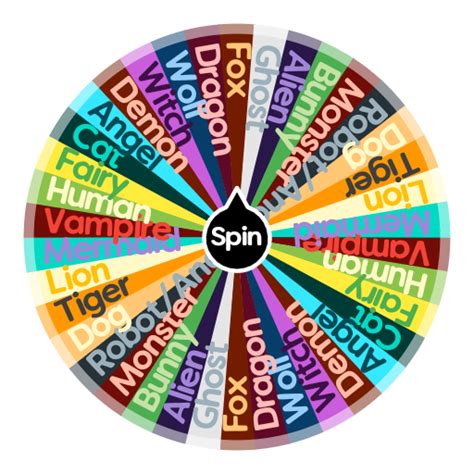
One of the clearest red flags is when a gacha system offers unclear or extremely low probabilities for obtaining high-value items. While many regions now mandate probability disclosures, the presentation can still be misleading. For instance, an item might be listed at a 0.5% drop rate, but players might not grasp how many attempts (and how much money) that truly translates to.
Adding to this is the concept of “pity timers” or “guaranteed pulls.” While these mechanisms promise a rare item after a certain number of failed attempts, they also subtly encourage players to spend up to that threshold, creating a “sunk cost fallacy” where players feel compelled to continue until they hit the guaranteed reward, even if they’ve already spent more than they intended.
2. Fear of Missing Out (FOMO) and Time-Limited Offers
Gacha games thrive on urgency. Time-limited banners for powerful or aesthetically unique characters, coupled with event-exclusive content that disappears after a set period, are prime examples of FOMO tactics. These mechanisms create a sense of scarcity and pressure players to spend now, lest they miss out on something potentially game-changing or culturally significant within the game’s community.
Daily or weekly bundles, often presented as “incredible value,” further exacerbate this. While some may indeed offer a good rate, their constant presence and expiry dates are designed to keep players engaged in the spending cycle, turning prudent consideration into impulsive action.

3. Virtual Currency Conversion and Obfuscation
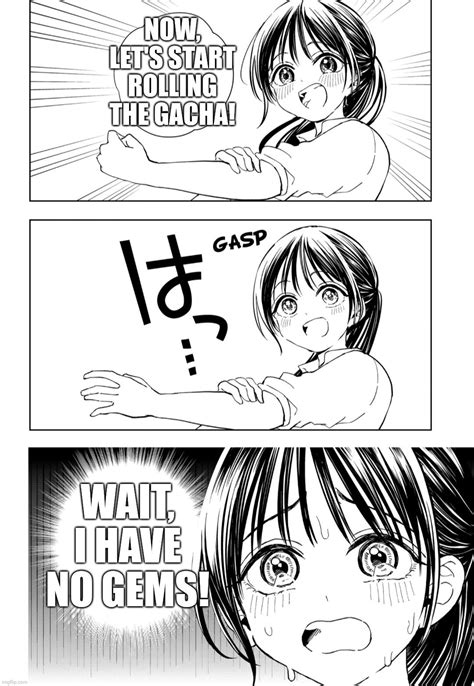
Many F2P games employ a multi-layered virtual currency system. Players purchase one type of premium currency (e.g., “gems” or “crystals”) with real money, which is then used to buy other in-game items or make gacha pulls. This conversion process obfuscates the real-world cost of each pull or item.
The pricing often involves odd numbers or bundles that don’t perfectly align with the cost of a gacha pull, leaving players with small amounts of leftover premium currency. This “anchor pricing” encourages subsequent smaller purchases to utilize the remaining balance, perpetuating spending.
4. Progression Walls and Artificial Scarcity
Initially, F2P games offer a smooth progression curve, allowing players to advance rapidly without spending. However, as players reach mid-to-late game, the progression often slows dramatically, hitting “progression walls.” These walls usually involve the need for specific rare characters, powerful equipment, or vast amounts of in-game resources that are difficult or extremely time-consuming to obtain through free-to-play means.
At this point, the game presents spending as the most efficient, if not the only, way to overcome these hurdles and continue enjoying the content. Limited “energy” systems that restrict playtime and encourage buying refills are another common tactic, turning player engagement into a direct monetization opportunity.
5. Personalized Offers and “Whale Bait”
Sophisticated gacha games often track player spending habits and progress, using this data to generate personalized offers. If a player shows a tendency to spend, they might be targeted with more aggressive bundles or specific character banners. “Whale bait” refers to mechanics specifically designed to entice high-spending players (whales) to continue spending vast sums.
This can include extremely rare cosmetic items, leaderboards that reward the highest spenders, or progression systems that become exponentially more expensive at the top tiers, catering to those with unlimited budgets and a desire for absolute superiority.

Protecting Yourself as a New Player
For new players diving into the world of F2P gacha, awareness is your best defense. Understand that these games are designed to make money, and some employ highly effective psychological tactics. Research a game’s monetization model before investing significant time. Set spending limits for yourself, never chase losses, and question every “must-have” offer.
Remember, the goal is to have fun. If a game’s mechanics begin to feel manipulative or coercive, it might be time to step back, re-evaluate your engagement, or simply find another game that respects your time and wallet more.