What F2P Gacha mechanics offer fair player value, avoiding predatory spending traps?
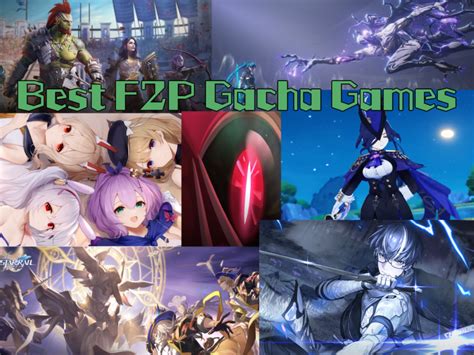
Free-to-play (F2P) gacha games have become a dominant force in the mobile gaming market, captivating millions with their enticing character rosters and engaging gameplay loops. However, their reliance on randomized monetization, often referred to as ‘gacha’ mechanics, frequently raises concerns about predatory spending traps. The line between sustainable monetization and manipulative practices is thin, making it crucial for both developers and players to understand what constitutes fair player value within this lucrative model.
Understanding the Gacha Dilemma
At its core, gacha mimics real-world capsule toy machines, where players spend currency for a chance to receive a random item of varying rarity. For developers, it’s a powerful revenue generator, funding ongoing development and content. For players, it offers the thrill of the pull, the excitement of rare acquisitions, and often, access to premium content. The dilemma arises when the desire for profit overrides the responsibility to create a non-exploitative experience, leading to practices that can harm vulnerable players.
Pillars of Fair Gacha Mechanics
Fair gacha mechanics are designed to provide enjoyment and progression without coercing excessive spending. They respect player agency and offer clear pathways to desired outcomes, even if it requires time or strategic resource management.
Clear Drop Rates and Probabilities
Transparency is the bedrock of fair gacha. Reputable games clearly display the exact percentage chance for every item in a gacha pool. This allows players to make informed decisions about their spending, understanding the odds before they commit. Lack of transparency, or obfuscation of rates, is a significant red flag.

Pity Timers and Spark Systems
Pity timers are a critical consumer protection feature. They guarantee that after a certain number of pulls without getting a rare item, the player will receive it on the next pull, or their probability significantly increases. Spark systems go a step further, allowing players to exchange accumulated ‘spark’ currency (earned from pulls) for a specific rare item, ensuring ultimate acquisition without pure reliance on RNG. These systems mitigate the frustration of bad luck and provide a ceiling for spending.
Grinding & Free-to-Play Progression
A fair gacha game should offer robust free-to-play progression. This means players can earn premium currency, gacha tickets, or specific desirable items through gameplay, challenges, and events, albeit at a slower pace than paying players. This allows non-spenders to experience the core game and progress meaningfully without hitting insurmountable paywalls. It creates a sustainable ecosystem where all players feel valued.

Value-Oriented Bundles and Subscriptions
Rather than just offering raw premium currency, fair games provide bundles that offer substantial value, like battle passes, monthly subscriptions with daily rewards, or one-time beginner packs. These purchases provide a clear, tangible return on investment and often target lower spending tiers, offering a controlled way for players to support the game while feeling they received good value.
Mechanics to Avoid: Predatory Traps
Conversely, predatory gacha mechanics exploit psychological biases and create artificial pressures, often leading to regretful spending.
Gacha on Gacha / Layered RNG
This manipulative practice requires players to gacha for an item, only for that item itself to be a gacha ticket for another layer of randomness. For example, pulling a character, then needing to pull specific duplicate items to unlock its full potential, or rolling for ‘sub-stats’ on equipment. This multiplies the randomness and the required spending for a complete experience.
Time-Limited Power Creep
Aggressive power creep, where new units are significantly stronger than previous ones and are introduced on a rapid, time-limited basis, creates immense pressure to constantly pull. Players feel their existing investments quickly become obsolete, pushing them into a never-ending cycle of spending to keep up with the meta.
Artificial Scarcity and FOMO (Fear of Missing Out)
While limited-time events are common, predatory games heavily lean on them to create artificial scarcity and activate FOMO. By constantly reminding players that a highly desirable item or character is available for only a short window, and might never return, games manipulate players into impulse purchases driven by anxiety rather than genuine desire or value perception.

Excessive Paywalling for Core Content
When basic progression, essential gameplay modes, or even narrative elements are locked behind significant paywalls or require specific gacha pulls to access, it strays into predatory territory. A fair F2P game should offer its core experience freely, with monetization providing convenience, acceleration, or cosmetic enhancements, not essential access.
The Role of Developers and Players
Developers hold the primary responsibility to design ethical monetization strategies. This includes rigorous self-regulation and prioritizing player well-being over short-term profits. For players, critical awareness is key. Understanding these mechanics, setting personal spending limits, and knowing when to walk away are crucial defenses against predatory practices.
Conclusion: Towards a Sustainable Ecosystem
The F2P gacha model isn’t inherently evil, but its design choices dictate its ethical standing. By embracing transparency, implementing player-friendly safety nets like pity timers, providing meaningful free progression, and offering clear value propositions, developers can cultivate a sustainable ecosystem where players feel respected and valued. This not only builds trust and loyalty but ultimately leads to a healthier and more enjoyable gaming experience for everyone involved, avoiding the pitfalls of predatory spending traps and fostering a positive relationship between game and player.