What essential steps must game beginner guides cover for first-time players?

The Importance of a Welcoming Start
For first-time players, the initial hours in a new game can make or break their experience. A well-crafted beginner guide doesn’t just explain features; it builds confidence, reduces frustration, and fosters a sense of accomplishment. It’s the handshake that welcomes them into the game’s world, ensuring they feel equipped rather than overwhelmed. But what exactly are the non-negotiable elements every beginner guide must address?
Mastering the Fundamentals: Controls and Core Mechanics
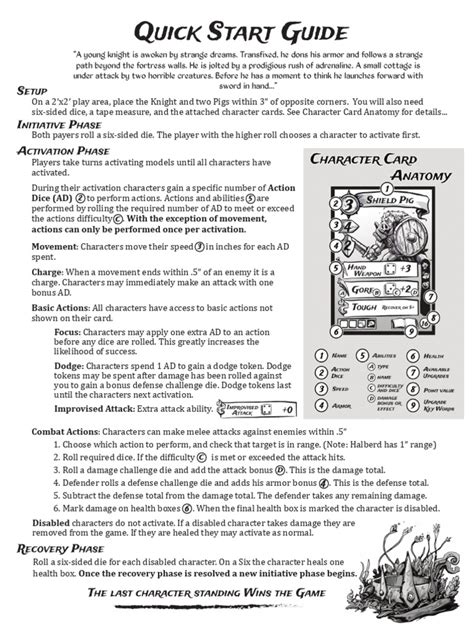
Before anything else, players need to know how to move, interact, and perform basic actions. A beginner guide must explicitly cover:
- Movement: How to walk, run, jump, or navigate the environment.
- Interaction: How to pick up items, talk to NPCs, open doors, or use objects.
- Combat (if applicable): Basic attack, defense, and special abilities.
- Keybindings/Controller Layouts: Clear visual diagrams or lists showing which button/key does what.
- Contextual Prompts: Explain how the game will prompt them for actions.
This foundational knowledge is the bedrock upon which all other gameplay is built.
Demystifying the Interface: Understanding the UI
Modern games often feature complex user interfaces (UIs) that can be daunting to newcomers. A beginner guide should systematically walk players through:
- Heads-Up Display (HUD): Explain health bars, mana/stamina, mini-maps, quest trackers, and other on-screen indicators.
- Inventory/Equipment Screens: How to access, manage, and use items or equip gear.
- Menu Navigation: How to pause, access options, view character stats, or open skill trees.
- Icons and Symbols: What common icons mean (e.g., quest givers, shopkeepers, interactive elements).
Breaking down the UI into manageable chunks prevents information overload and helps players feel in control.

Your First Steps: Initial Objectives and Progression
Once players understand how to interact with the game, they need a purpose. A beginner guide should:
- Outline First Quests/Goals: Guide them through the very first tasks that introduce the game’s narrative or core loop.
- Explain Progression Systems: Briefly touch upon how characters level up, acquire new skills, or unlock new areas.
- Resource Management: Basic understanding of in-game currencies, crafting materials, or other essential resources.
Providing clear, achievable short-term goals helps players feel a sense of direction and early accomplishment.
Beyond the Basics: Essential Strategies and Tips
While not deep dives into advanced tactics, a good beginner guide offers foundational strategic advice:
- Combat Tips: Basic enemy weaknesses, dodging mechanics, or optimal weapon usage.
- Exploration Encouragement: Tips on finding hidden items, shortcuts, or areas of interest.
- Common Pitfalls: Warn players about early-game mistakes to avoid, like rushing into high-level areas or wasting crucial resources.
- Saving Progress: How and when to save the game effectively.
These tips empower players to make informed decisions and prevent unnecessary frustration.

Where to Find Help: Community and Resources
No guide can cover absolutely everything. It’s vital to direct players to additional support:
- In-Game Help: Point out help menus, codexes, or lore entries.
- Official Forums/Discord: Where to connect with other players and get assistance.
- External Wikis/Fan Sites: Acknowledging popular community-driven resources.
- Reporting Bugs: How to report issues to developers.
Connecting players to the broader community ensures they have avenues for continued learning and problem-solving, fostering long-term engagement.

Conclusion
A comprehensive beginner guide is more than just a checklist; it’s an invitation to experience the game to its fullest. By systematically covering controls, UI, initial objectives, basic strategies, and available resources, game developers and content creators can transform potentially daunting first encounters into memorable and enjoyable experiences, ensuring that first-time players become lasting fans.