What essential first steps must a game’s beginner guide cover to truly help new players?
A game’s first impression is often its most lasting, and for new players, this impression is heavily influenced by how easily they can grasp the fundamentals. A well-crafted beginner’s guide is more than just a list of features; it’s a carefully designed roadmap that transforms confusion into competence, ensuring new players feel empowered rather than overwhelmed. But what exactly are those critical first steps a guide must cover to truly make a difference?
Mastering the Controls and User Interface
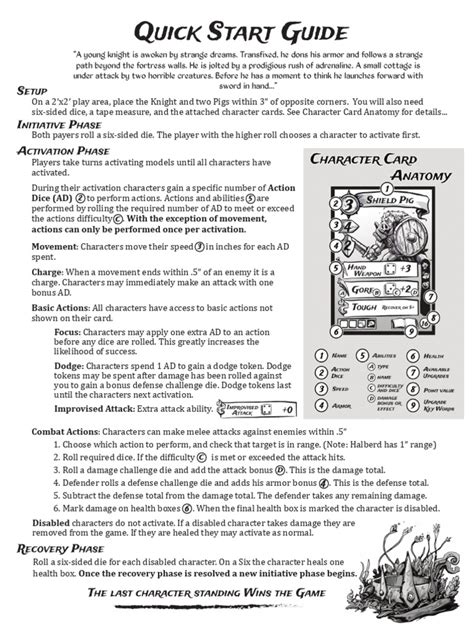
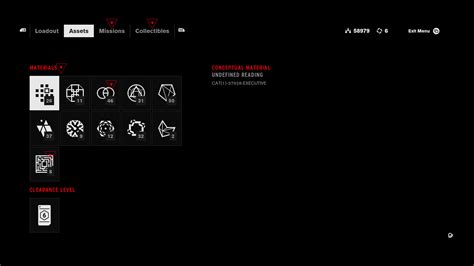
The absolute most fundamental hurdle for any new player is understanding how to interact with the game world. A beginner’s guide must start here, with crystal-clear explanations of controls. Whether it’s keyboard and mouse, gamepad, or touch controls, every essential action – movement, camera control, interaction, attacking, opening menus – needs to be detailed. Equally important is an annotated breakdown of the User Interface (UI). Explain what each icon, bar, and number on the screen represents: health, mana, mini-map, quest log, inventory slots, and currency. Don’t assume anything; walk them through the HUD piece by piece.
The Very First Objective and Character Creation (If Applicable)
Once controls are clear, what’s the very first thing a player needs to do? The guide should clarify this initial objective, whether it’s completing a tutorial mission, speaking to an NPC, or simply moving to a designated area. If the game features character creation, the guide should offer concise advice without dictating choices. Highlight the significance of initial decisions (e.g., class selection, starting attributes) and explain how they might impact early gameplay, but keep it brief and encouraging, not prescriptive.
Decoding Game-Specific Terminology and Core Concepts
Every game has its own lexicon. Terms like ‘aggro,’ ‘DPS,’ ‘crafting,’ ‘resource nodes,’ ‘relics,’ or ‘level-gating’ might be second nature to veterans but are utterly alien to newcomers. A beginner’s guide must dedicate a section to defining these essential, game-specific terms in plain language. Beyond vocabulary, it needs to explain the game’s core loop: How do players progress? Is it through quests, combat, crafting, exploration, or a combination? What are the primary motivators and rewards for playing?

Early Progression and Resource Management Basics
New players need to know how to get stronger, smarter, or richer. Explain the most basic progression systems: how to gain experience, level up, and unlock new abilities or items. Introduce the concept of inventory management and the importance of collecting certain resources. If there’s an in-game economy, briefly touch upon how to earn and spend the primary currency, emphasizing early-game priorities and common pitfalls to avoid (e.g., don’t sell essential starting gear).
Common Pitfalls and Essential Early-Game Tips
Anticipate where new players are likely to stumble and offer proactive advice. This could include tips like: ‘Always check your map,’ ‘Don’t fight enemies significantly higher level than you,’ ‘Save your powerful potions for boss fights,’ or ‘Experiment with different weapon types.’ These actionable tips not only prevent frustration but also build confidence by making players feel smart and prepared.
Beyond the Guide: Where to Find More Help
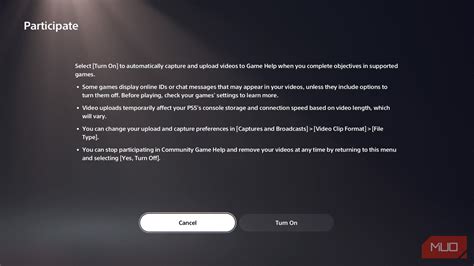
Even the best beginner’s guide can’t cover everything. A truly helpful guide acknowledges this and points players towards further resources. This might include mentioning the in-game help menu, official forums, community wikis, or even specific channels on platforms like Discord. This shows players that a supportive community and additional information are readily available, fostering a sense of belonging and encouraging continued engagement with the game.
By meticulously covering these essential first steps – from basic controls and initial objectives to game terminology, early progression, and common pitfalls – a game’s beginner guide can transform a potentially overwhelming experience into an inviting and exciting adventure. It sets the stage for new players to not just understand the game, but to truly enjoy it and develop a lasting connection.