What essential elements must a game’s ‘first steps’ guide include for complete beginners?

The Critical Role of a Beginner-Friendly Introduction
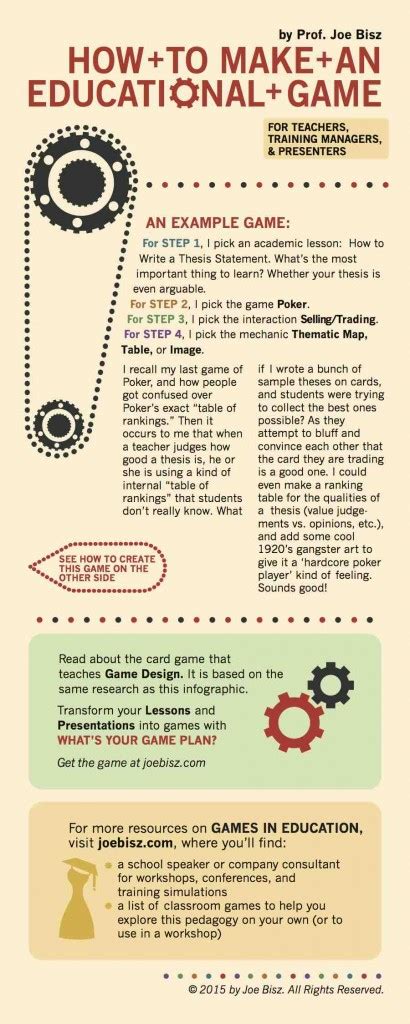
For complete beginners diving into a new game, the initial experience can make or break their engagement. A ‘first steps’ guide isn’t just a courtesy; it’s a fundamental pillar of good game design, designed to ease players into complex worlds and systems. Without a clear, intuitive introduction, new players can quickly become overwhelmed, frustrated, and ultimately, abandon the game. A truly effective guide anticipates confusion, gradually introduces concepts, and empowers players to understand and interact with the game world confidently.

Fundamental Controls and Interface Explanation
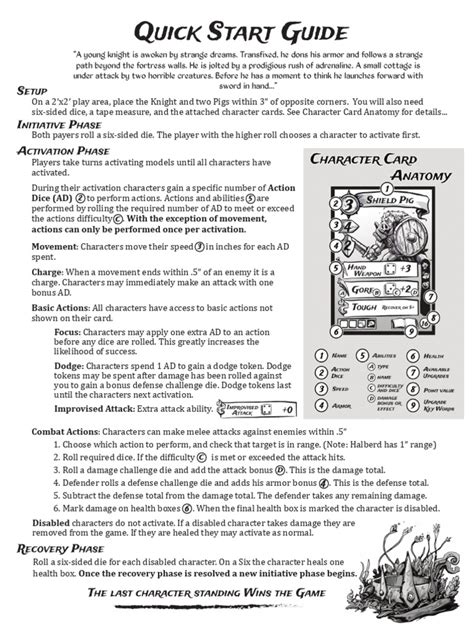
At the very core, a beginner’s guide must start with the absolute basics: how to move and interact. This includes:
- Movement Mechanics: Clearly explain how to move the character or camera, typically using WASD or controller sticks. Provide visual cues and opportunities to practice.
- Basic Interactions: How to pick up items, open doors, talk to NPCs, or activate objects. This should be context-sensitive and explained when the action is first required.
- Heads-Up Display (HUD) Breakdown: Explain every element on the screen – health bars, mini-maps, quest trackers, currency displays, and inventory indicators. Each piece of information should be introduced as it becomes relevant, rather than presenting a daunting full-screen diagram upfront.
- Menu Navigation: Show players how to pause the game, access settings, view their inventory, or consult quest logs. These are crucial for self-help and personalization.
Initial Objectives and Goal Setting
Beginners need clear direction to feel productive and understand their purpose within the game world. The ‘first steps’ guide should:
- Set Simple, Achievable Goals: Start with micro-objectives like ‘walk to the marker,’ ‘talk to this character,’ or ‘collect this item.’ These build confidence and introduce core gameplay loops.
- Explain the ‘Why’: Briefly explain the narrative context or immediate benefit of completing these initial tasks. Why am I walking here? What will I gain from talking to this NPC?
- Introduce Quest Tracking: Show players how to view their current objectives, how to follow markers, and how to understand quest log entries. This prevents aimless wandering.
Core Gameplay Mechanics and Systems Introduction
Beyond basic movement, games often have unique systems that require careful explanation:
- Combat Basics (if applicable): Introduce attack, defense, dodging, and using abilities in a safe, controlled environment. Explain enemy indicators and damage feedback.
- Inventory and Item Management: Explain how to open the inventory, understand item types (weapons, armor, consumables), and how to equip or use them.
- Saving and Loading: Crucially, teach players how and when to save their game, whether it’s manual, auto-save, or checkpoint-based. Losing progress is a major deterrent for new players.
- Character Progression (if applicable): Briefly touch upon how characters get stronger, acquire new skills, or upgrade equipment. This provides a sense of future potential.
Contextual Learning and Iterative Guidance
A great guide doesn’t dump all information at once. Instead, it offers:
- Contextual Prompts: Information should appear when it’s most relevant. For example, explain how to use a health potion only when the player’s health is low and they acquire one.
- Interactive Tutorials: Instead of static text, allow players to perform actions as they learn. This hands-on approach reinforces understanding much more effectively.
- Optional Information: Provide accessible help menus, key binding remapping options, and lore glossaries for those who want to dive deeper without forcing it on everyone.
- Positive Reinforcement: Acknowledge successful completion of tasks with encouraging messages, further motivating beginners.

Conclusion: Building a Foundation for Enjoyment
Ultimately, a game’s ‘first steps’ guide is about creating a welcoming and empowering entry point. It’s about demystifying controls, clarifying objectives, and gently introducing complex systems. By including these essential elements – fundamental controls, clear objectives, core system introductions, and contextual learning – developers can ensure that complete beginners not only stick with the game but also develop a lasting appreciation for its depth and challenges. A well-crafted introduction isn’t just good design; it’s an investment in a player’s long-term enjoyment and loyalty.