What essential beginner game guide info beyond controls prevents player frustration?

For many new players, the initial moments in a game are critical. While a solid tutorial covering basic movement and button functions is foundational, it often barely scratches the surface of what truly prevents early-game frustration. A comprehensive beginner’s guide must delve deeper, offering insights that illuminate the game’s underlying systems, expectations, and unique rhythm. This foresight transforms a potentially confusing experience into an engaging adventure, ensuring players stick around long enough to appreciate the game’s depth.
Core Mechanics: Beyond Button Mashing
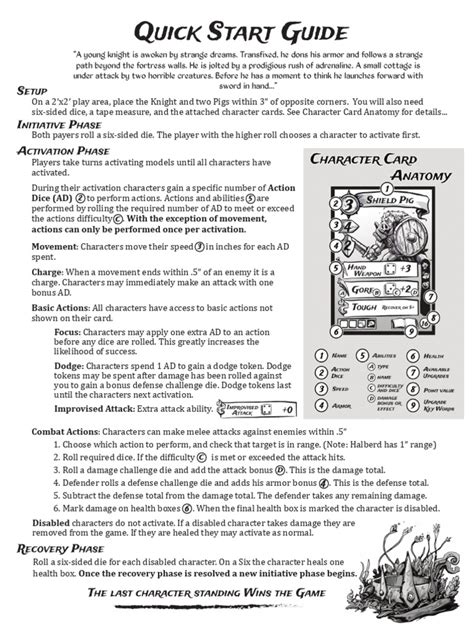
Knowing which button jumps is one thing; understanding *why* you’re jumping, the physics involved, or how jump height scales with other abilities is another. Beginner guides should meticulously break down core mechanics that aren’t immediately obvious. This includes explaining resource management systems (mana, stamina, ammo), interaction priorities (what objects are clickable, what isn’t), and the fundamental loop of gameplay (e.g., gather resources, craft, build, defend). Clearly outlining these unspoken rules helps players build a mental model of the game world, allowing them to make informed decisions rather than fumbling in the dark.
Understanding Progression and Your First Goals
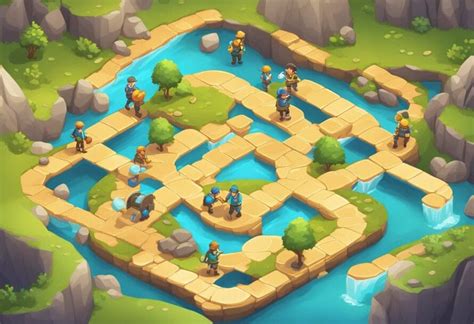
A common source of frustration for new players is a lack of clear direction. A guide should articulate what the initial objectives are and how the player is expected to progress. This might involve explaining the experience point system, skill trees, item tiers, or quest lines that unlock new areas or abilities. More importantly, it should set realistic expectations for the early game, indicating what power level players can expect to reach, what items they should prioritize, and which early challenges are designed to be overcome first. Providing a clear roadmap, even if it’s just for the first few hours, significantly reduces feelings of being lost or overwhelmed.
Avoiding Early Game Frustration: Common Pitfalls
Every game has its quirks and common newbie traps. A truly helpful beginner’s guide anticipates these pitfalls and offers preventative advice. This could range from warning players about irreversible early-game choices, explaining specific enemy weaknesses, or advising against certain resource expenditures. For instance, if a particular early item is deceptively weak or if a common strategy leads to dead ends, the guide should highlight this. By arming players with knowledge of these potential missteps, the guide empowers them to navigate the early challenges with greater confidence and fewer exasperating setbacks.

Decoding the Game’s World and Philosophy
Beyond mechanics, the underlying philosophy and lore of a game can profoundly impact player experience. A guide can provide context on the game’s genre, its unique selling points, or even a brief overview of its world and narrative. Is it a challenging “Souls-like” or a relaxing farming sim? Understanding the developer’s intent helps set appropriate expectations for difficulty, pacing, and overall engagement. Briefly touching upon the game’s lore or the motivations of its factions can also enhance immersion, giving players a reason to care about the world they inhabit.

Navigating the Difficulty Curve and Pacing
Games rarely offer a perfectly flat challenge. Beginner guides are invaluable when they help players understand the game’s intended difficulty curve and pacing. When should players expect a spike in difficulty, and what strategies are recommended to overcome it? Does the game encourage exploration or linear progression? Are there periods of calm after intense battles, or is it a relentless challenge? Providing insights into when to grind, when to push forward, or when to simply enjoy the scenery helps players manage their expectations and adapt their playstyle, reducing the feeling of unfairness when obstacles arise.

In conclusion, a truly effective beginner game guide goes far beyond a simple control scheme. By illuminating core mechanics, outlining progression, preempting common frustrations, setting philosophical context, and explaining the difficulty curve, guides become indispensable tools. They not only prevent early player frustration but also foster a deeper understanding and appreciation for the game, ensuring a more enjoyable and sustained experience for newcomers.