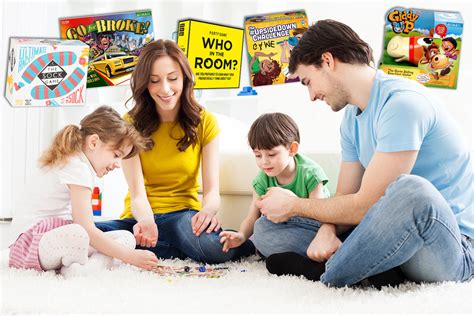
What cozy family games truly engage all ages without stress or skill gaps?

Finding the perfect family game can sometimes feel like an impossible quest. You want something that captivates a wide range of ages, from a boisterous five-year-old to a keen grandparent, without sparking sibling rivalries or leaving anyone feeling left out due to a skill imbalance. The ideal game fosters togetherness, sparks joy, and creates cherished memories, all without the pressure of intense competition.
The Quest for True Family Engagement
Many games claim to be ‘family-friendly,’ but often they either skew too young, bore the adults, or create insurmountable skill gaps that lead to frustration. True engagement means everyone feels like they’re contributing and having fun, regardless of their strategic prowess or fine motor skills. This isn’t just about playing a game; it’s about building connections and enjoying shared time together.

Defining “Cozy,” “Engaging,” and “Accessible”
A truly cozy, engaging, and accessible game for all ages possesses several key characteristics. Firstly, it often features simple, intuitive rules that can be learned quickly but still offer interesting choices. Secondly, it prioritizes collaboration over cutthroat competition, or at least minimizes direct conflict. Elements of luck can help level the playing field, giving everyone a chance. Finally, the theme and components should be inviting and appealing to a broad audience, sparking imagination rather than intimidating with complex mechanics.
These games often foster communication, storytelling, and problem-solving in a low-stakes environment. They might involve a bit of dexterity, a dash of creativity, or a sprinkle of strategic thinking, but never to a degree that excludes any player. The goal is the shared experience, not just winning.

Cooperative Games: Building Bridges, Not Walls
Cooperative games are a fantastic solution for eliminating skill gaps and stress. In these games, all players work together towards a common goal against the game itself. There are no winners or losers among the players, only collective success or failure, which naturally encourages teamwork and communication.
- Forbidden Island / Forbidden Desert: Players work together to collect treasures and escape before the island sinks or they run out of water in the desert. The rules are easy to grasp, and the cooperative nature means everyone contributes.
- Mysterium: One player acts as a ghost, communicating clues through abstract art cards to the other players, who are psychics trying to solve a murder. It’s imaginative, visually stunning, and highly collaborative, perfect for sparking discussion.
- Hanabi: A unique card game where players hold their cards facing outwards, so only their teammates can see them. They must give clues to help each other play cards in the correct sequence to create fireworks. It’s clever, cooperative, and delightfully challenging without being confrontational.
Storytelling and Imagination Games: Where Everyone’s a Creator
Games that lean into storytelling and imagination are perfect for engaging various age groups, as they tap into universal human creativity. There are no ‘wrong’ answers, only different perspectives, making them inherently inclusive.
- Dixit: Players use beautifully illustrated, surreal cards to tell a short story or give a clue, and others try to guess which card belongs to the storyteller. It’s simple, artistic, and leads to wonderfully creative interpretations and laughter.
- Rory’s Story Cubes: Roll nine dice, each with a different image, and create a story that links all the images. It’s incredibly simple, infinitely replayable, and fantastic for sparking imagination in all ages.

Simple Strategy & Luck-Driven Classics: Fun for Every Skill Level
Even games with a strategic element can be inclusive if the rules are straightforward and a bit of luck can sway the outcome, preventing one player from dominating entirely.
- Ticket to Ride (Nordic Countries or Europe/USA versions): While a strategy game, its mechanics are simple – collect colored train cards to claim routes. Younger players can focus on short routes, while older players plan longer connections. The ‘First Journey’ versions are even simpler for very young players.
- Kingdomino / Queendomino: Players draft domino-like tiles to build their kingdom, matching terrain types. The rules are wonderfully elegant, offering satisfying strategic choices without overwhelming complexity.
- Sushi Go! / Sushi Go Party!: A fast-paced card-drafting game where players quickly pick a card and pass the rest. It’s quick, charming, and the simple scoring mechanics are easy to grasp, making it perfect for quick, light fun.
Beyond the Board: Creative & Active Options
Sometimes, the best ‘game’ isn’t on a board at all. Activities that encourage creativity or light physical engagement can be just as, if not more, inclusive.
- Charades / Pictionary: Classics for a reason, these games rely on acting or drawing skills, which everyone possesses to some degree. They often lead to hilarious moments and don’t require any advanced strategy.
- Build a collaborative story: Start a story with one sentence, and each person adds a sentence, building on the previous one. This requires no setup and can be done anywhere.

Tips for a Stress-Free Game Night
Beyond choosing the right game, how you approach game night can make all the difference. Emphasize fun and togetherness over winning. Be open to house rules that simplify mechanics or adjust for age differences. Take breaks, especially with younger players, and keep snacks and drinks handy. The goal is to create a positive, memorable experience for everyone involved.
Ultimately, the best cozy family games are those that become catalysts for connection, laughter, and shared joy. By focusing on cooperation, creativity, and accessible rules, you can transform ordinary evenings into extraordinary moments of family bonding, ensuring every participant, regardless of age or skill level, feels truly engaged and valued.