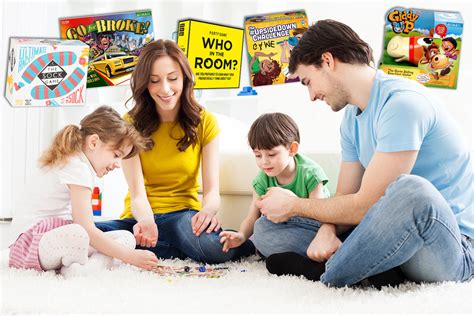
What cozy family games minimize arguments & engage diverse ages effectively?

Crafting Harmonious Family Game Nights
Family game nights are often envisioned as moments of laughter, bonding, and shared joy. However, the reality can sometimes diverge, with competitive streaks, differing attention spans, and complex rules leading to frustration rather than fun. The quest for games that truly minimize arguments while engaging everyone from toddlers to grandparents is a common challenge for many families seeking to build cherished memories.
The secret lies in selecting games that prioritize cooperation, encourage creativity, or feature simple, intuitive mechanics that allow for strategy without cutthroat competition. When a game’s design naturally steers players towards shared goals or lighthearted interaction, the potential for conflict dramatically decreases, paving the way for genuine connection and enjoyment.

The Power of Cooperative Play
Cooperative games are perhaps the most effective solution for minimizing arguments. In these games, all players work together against the game itself, or towards a common objective. This design fosters teamwork, communication, and mutual support, as everyone’s success is intertwined.
Top Cooperative Picks:
- Forbidden Island / Forbidden Desert: These are excellent entry points into cooperative gaming. Players work as a team to collect treasures (Island) or escape a sandstorm (Desert) before the game’s challenging conditions overwhelm them. Simple rules, thematic immersion, and variable difficulty make them engaging for a wide range of ages.
- Mysterium: A beautiful and atmospheric game where one player acts as a ghost, communicating clues through abstract art cards to help psychic investigators solve a murder. It’s a fantastic creative exercise, relying on interpretation and imagination, making it highly engaging for both children and adults who enjoy storytelling.
- Outfoxed!: Designed with younger players in mind, but enjoyable for adults too. Players cooperate to identify which fox stole a pie before it escapes. It teaches deduction and probability in a fun, accessible way, ensuring everyone feels included and valued in the investigation.
- The Mind: A unique cooperative card game where players must play cards in ascending order into a series of piles, without communicating verbally. It’s a test of intuition and non-verbal cues, surprisingly engaging and meditative, and proves that teamwork doesn’t always need words.

Low-Conflict Competitive Gems
Sometimes a bit of friendly competition is desired, but not at the expense of family harmony. Certain competitive games excel at providing strategic depth without fostering cutthroat rivalry, often due to straightforward goals, beautiful components, or mechanisms that make ‘losing’ feel less personal.
Engaging Competitive Choices:
- Ticket to Ride: A modern classic where players collect colored train cars to claim railway routes across a map. The rules are simple to learn, but there’s enough strategy to keep adults interested, while the tangible goal of connecting cities appeals to younger players. Conflict is typically indirect, focusing on route blocking rather than direct confrontation.
- Dixit: A wonderfully imaginative storytelling game. Players use surreal, dreamlike image cards to create clues, and others try to guess which card belongs to the storyteller. It rewards creativity and empathy more than strategy, leading to delightful discussions and revelations about how different minds interpret images.
- Sushi Go!: A fast-paced card-drafting game perfect for quick rounds. Players choose a sushi card from their hand and pass the rest, aiming to collect sets of sushi dishes. It’s light, colorful, and strategic enough to be satisfying without becoming overly competitive or argument-inducing.
- Kingdomino: A clever tile-laying game where players connect domino-like tiles to build their kingdom. The rules are easy to grasp, and the game plays quickly. While there’s competition for desired tiles, the direct impact on other players is minimal, keeping the atmosphere light and focused on personal kingdom building.

Tips for Maximizing Family Game Night Success
Beyond choosing the right games, a few strategies can further enhance your cozy family game nights:
- Set the Mood: Create a comfortable environment with snacks, soft lighting, and perhaps some background music (if it doesn’t distract).
- Prioritize Fun Over Winning: Emphasize participation and enjoyment. Encourage players to help each other, especially younger ones, and celebrate good moves regardless of who makes them.
- Rotate Game Masters: Let different family members take turns explaining rules or leading the game. This builds confidence and provides variety.
- Know When to Stop: It’s better to end a game night on a high note, even if it’s earlier than planned, rather than pushing through fatigue or rising tension.
- Adapt Rules as Needed: For very young players, don’t be afraid to simplify rules or introduce house rules that make the game more accessible and enjoyable for everyone.

By thoughtfully selecting games that foster cooperation or offer gentle competition, and by nurturing an atmosphere of shared enjoyment, families can transform game nights into cherished traditions. These carefully chosen cozy games become more than just entertainment; they are vehicles for connection, communication, and countless happy memories, free from unnecessary strife.