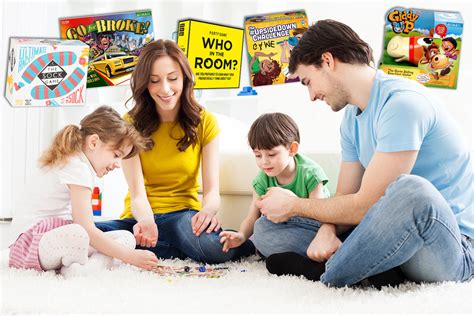
What cozy family games genuinely engage both toddlers and pre-teens?

Finding a game that genuinely captivates both a curious toddler and a budding pre-teen can feel like an impossible quest. Their interests, attention spans, and skill levels are vastly different. Yet, the desire for cozy family game nights where everyone feels included and entertained is a universal dream. The good news? It’s entirely achievable with the right game choices and a little flexibility.
Bridging the Age Gap: The Challenge and the Reward
Toddlers thrive on simple mechanics, bright colors, and quick turns, often enjoying the physical act of playing more than the strategic outcome. Pre-teens, on the other hand, crave strategy, competition, and a sense of accomplishment, often looking for games that challenge their growing minds. The key to success lies in identifying games that offer multiple layers of engagement, allowing each age group to participate at their own level without feeling bored or overwhelmed.

Cooperative Games: Uniting Against a Common Foe (or Goal!)
One of the most effective strategies for multi-age family gaming is to embrace cooperative games. Instead of competing against each other, everyone works together towards a shared goal. This eliminates the pressure of winning or losing for younger children and fosters teamwork, communication, and problem-solving skills across the board. Pre-teens can take on leadership roles, guiding toddlers through their turns, while toddlers enjoy contributing to the group’s success.

Excellent examples include Hoot Owl Hoot!, where players help owls fly home before the sun rises, or Outfoxed!, a deduction game where everyone tries to catch a thieving fox. For slightly older pre-teens who can simplify rules for toddlers, even cooperative classics like Forbidden Island (with heavy adult/pre-teen guidance) can be adapted to be surprisingly engaging.
Games with Simple Rules, Deep Engagement
Another category that shines are games with exceptionally simple core mechanics but enough depth or creative freedom to keep pre-teens interested. These aren’t necessarily cooperative, but their straightforward nature makes them accessible, while emergent gameplay or strategic choices appeal to older kids. Think quick setup and play, but with room for individual flair.

Ticket to Ride: First Journey simplifies the popular train-route building game, making it perfect for mixed ages. Uno remains a timeless classic; its color and number matching is easy for toddlers, while pre-teens can strategize with wild cards and skips. Simple party games like Charades or Pictionary (with simplified drawing for toddlers) also work wonderfully, encouraging creative expression and guessing.
Movement, Creativity, and Imagination
Sometimes, the best ‘game’ isn’t a board game at all, but rather something that encourages physical activity and imaginative play. These activities often require minimal setup and naturally adjust to different skill levels, allowing everyone to participate in their own way. They break down the traditional game structure and invite free-form fun.

Classic Hide and Seek can be a blast, with toddlers finding obvious spots and pre-teens using more clever hiding places. A simple game of Dance Freeze gets everyone moving and laughing. Storytelling games, where each person adds a sentence to a communal story, spark imagination and verbal skills for all ages. Even building massive blanket forts together becomes a collaborative, engaging activity.
Tips for a Harmonious Family Game Night
Making multi-age game night a success isn’t just about the game; it’s also about the atmosphere and your approach.
- Set Expectations: Explain to pre-teens that the goal is fun for everyone, not just winning.
- Let Pre-Teens Lead: Empower older kids to help explain rules, assist toddlers with their turns, and cheer them on. This builds their confidence and patience.
- Adapt & Simplify: Don’t be afraid to tweak rules on the fly to keep things moving or make them more accessible. Sometimes, just having a toddler ‘help’ by rolling dice or picking a card is enough.
- Keep it Short & Sweet: Especially with toddlers, shorter playtimes are better. End on a high note before anyone gets restless or frustrated.
- Focus on the Fun: The objective isn’t perfect gameplay, but shared laughter, connection, and creating cherished memories.

Remember, the true win isn’t just finishing a game, but the bonding and shared joy that comes from playing together. With a bit of planning and the right game choices, your family game nights can genuinely engage everyone, from the littlest tot to the nearly-teen, fostering connection and creating lasting happy memories.