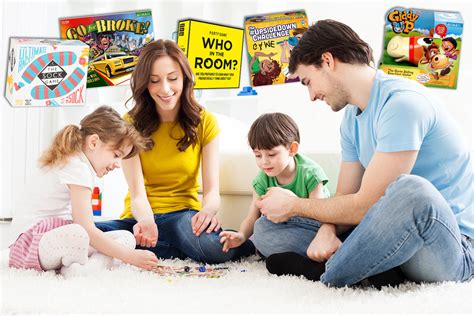
What cozy family game tips ensure engagement for varied ages/skills?

Gathering the family for a cozy game night is a cherished tradition, but striking the right balance to keep everyone engaged, regardless of age or skill level, can be a delightful challenge. From lively youngsters with boundless energy to thoughtful teens and wise grandparents, ensuring everyone feels included and entertained is key to a truly successful and memorable experience. Let’s explore some strategies to make your next family game night a harmonious and fun-filled affair.
Choose Games with Flexible Rules or Difficulty
The first step to inclusive game nights is selecting titles that naturally accommodate a wide range of players. Look for games that offer adjustable difficulty settings, simpler rules for younger participants, or advanced strategies for more experienced players. Many modern board games are designed with this versatility in mind, allowing families to adapt the complexity to suit the group’s composition. Games with modular boards or different character abilities often fall into this category, providing depth without alienating novices.
Another excellent option is games that rely less on specific knowledge and more on creativity, luck, or quick thinking. Classic card games, charades, or drawing games can be easily modified on the fly to fit various skill levels. The goal isn’t to dumb down the experience but to open multiple pathways to enjoyment, ensuring no one feels left behind or overly unchallenged.

Embrace Cooperative Play
When the focus shifts from individual victory to collective achievement, the dynamics of family game night transform. Cooperative games are a phenomenal tool for engagement across diverse ages and skills because everyone works together towards a common goal. This eliminates the competitive pressure that can sometimes deter younger children or those less confident in their gaming abilities. Instead, older family members can naturally mentor younger ones, strategizing together and celebrating shared successes.

These games encourage communication, problem-solving, and a sense of camaraderie that traditional competitive games sometimes lack. Players pool their strengths, making decisions collaboratively and truly embodying the spirit of teamwork. From solving mysteries to escaping ancient temples, cooperative titles foster an environment where every contribution is valued, making the experience inclusive and deeply satisfying for all.
Facilitate and Moderate as Needed
A good facilitator can be the secret ingredient to a successful family game night, especially when ages and skill levels vary significantly. This role isn’t about controlling the game but about guiding it, ensuring rules are understood by everyone, offering gentle hints when someone is stuck, and perhaps even ‘balancing’ the game subtly. For instance, an adult might pair with a younger child in a team game or occasionally “forget” a tactical move to give others a chance.

Moderating also involves managing the pace and energy of the game. If younger players are losing interest, suggest a short break or introduce a silly house rule for a round. If a game is dragging, consider a time limit for turns. The key is to be attuned to the group’s needs and be willing to adjust, prioritizing enjoyment and participation over strict adherence to every rule.
Rotate Roles and Interests
To maintain long-term engagement, make game night a flexible affair where everyone gets a turn to pick a game or dictate a particular theme. One week it might be a quick, energetic card game chosen by the kids; the next, a more strategic board game favored by the adults. This rotation ensures that everyone feels heard and valued, fostering anticipation for “their” turn to lead the fun.

Beyond choosing the game, consider rotating roles within the game. Let different family members be the scorekeeper, the rule explainer, or even the “game master” if the game allows. This not only shares responsibility but also gives everyone a chance to experience different aspects of the game, preventing any single person from feeling solely responsible for understanding complex rules or carrying the team.
Prioritize the Experience Over Winning
Perhaps the most crucial tip for a cozy, engaging family game night is to shift the focus from winning to the shared experience itself. Remind everyone, especially more competitive members, that the true victory lies in laughter, bonding, and making cherished memories together. Encourage compliments for good moves, share funny anecdotes, and celebrate effort regardless of the outcome.
This mindset creates a low-pressure environment where everyone feels safe to try new things, make mistakes, and simply have fun. When the emphasis is on connection rather than competition, even a game that doesn’t go perfectly can still be a wonderful family moment. Sometimes, the most memorable game nights are those filled with silly mistakes, unexpected turns, and genuine belly laughs, proving that the journey is far more important than the destination.

By implementing these tips, you can transform your family game nights into cherished rituals that genuinely engage every family member, building stronger bonds and creating a treasure trove of happy memories. Happy gaming!