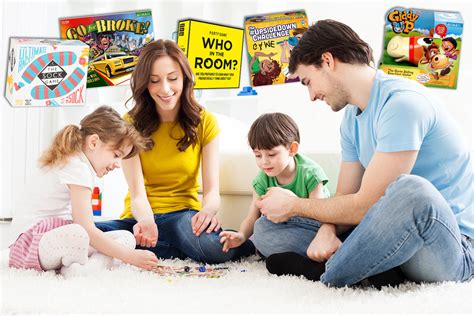
What cozy family game mechanics best engage mixed ages for peaceful play?
Gathering the family for a game night is a cherished tradition, but bridging the gap between a seasoned adult gamer and a spirited five-year-old can often lead to frustration rather than fun. The quest for “cozy family games” isn’t just about theme; it’s fundamentally about mechanics that seamlessly welcome players of all ages and skill levels, ensuring peaceful play where everyone feels included and engaged. So, what game design elements truly shine in creating these harmonious intergenerational experiences?
Core Mechanics for Unified Engagement
The secret sauce for mixed-age family games often lies in balancing accessibility with depth. A game that’s too simple will bore adults, while one that’s too complex will overwhelm younger players. The most effective mechanics are those that allow different ages to contribute meaningfully without one group dominating the experience.

Cooperative Play: The Ultimate Unifier
Perhaps the most powerful mechanic for peaceful mixed-age play is cooperation. When everyone is working towards a common goal against the game itself, the competitive edge that can sometimes lead to sibling squabbles or adult-child frustration is minimized. Games like Pandemic: Hot Zone, Forbidden Island, or Mice and Mystics allow older players to strategize while younger ones can execute simpler actions, fostering teamwork and shared victory (or defeat!).
Scalable Difficulty & Asymmetrical Roles
Games that naturally scale their difficulty or offer asymmetrical roles are fantastic. Some games provide a ‘junior mode’ or ‘advanced rules’ that can be selectively applied. Asymmetrical roles, where each player has different abilities or objectives but contributes to a shared experience, also work wonders. For instance, a game might have a simple role for a child focused on collecting, while an adult manages more complex resource allocation, yet both are essential to the game’s progression.
Simple Rules, Deep Strategy (with Luck Elements)
The best games are often those that are easy to learn but difficult to master. Ticket to Ride is a prime example: collect cards, claim routes. Simple! Yet, optimizing your routes, blocking opponents (gently), and completing tickets offers plenty of strategic depth for adults. Including a healthy dose of luck, like dice rolls or card draws, can also level the playing field, giving younger players a chance against more experienced opponents without feeling entirely outmaneuvered.

Catch-Up Mechanics and Variable Player Powers
Nothing sours a game night faster than one player being hopelessly behind from the start. Effective catch-up mechanics, such as bonuses for players in last place, or the ability for all players to score points in various ways (not just victory points), keep everyone engaged until the very end. Variable player powers, even simple ones, can also make each game feel fresh and offer different avenues to success, allowing players to pick a play style that suits their current mood or skill level.
Fostering the “Cozy” Atmosphere
Beyond the mechanics, the overall feeling of a cozy family game is paramount. This often comes from:
- Engaging Themes: Whimsical, lighthearted, or adventurous themes that appeal broadly (e.g., building a beautiful garden, exploring a magical forest, delivering mail with animal friends).
- Beautiful Components: Tactile, appealing components that invite interaction, even for younger players who might enjoy just handling the pieces.
- Positive Interaction: Mechanics that encourage talking, planning together, and celebrating small successes rather than just competing for points.

Conclusion
Creating a truly engaging and peaceful game experience for mixed-age families is an art form. It hinges on thoughtful mechanics that promote cooperation, offer scalable challenges, blend simplicity with strategic depth, and ensure everyone feels like they have a meaningful chance to contribute and succeed. When these elements are woven together, game night transforms from a potential battleground into a cherished space for shared joy, laughter, and lasting family memories.