What core info must beginner guides include for any game’s first hour?
The Crucial First Hour: Hooking New Players
The first hour of any game is a make-or-break period. It’s when players decide if they’ll invest more time, understand the core loop, and ultimately enjoy the experience. A well-crafted beginner guide for this initial phase is paramount, ensuring new players feel empowered, not overwhelmed. It’s about providing just enough information to get them started, without spoiling the fun of discovery or drowning them in excessive detail.
Mastering Basic Controls and Movement
Before anything else, players need to know how to move and interact with the game world. This is fundamental. A beginner guide must clearly outline the basic input scheme: movement (WASD, left stick, etc.), camera control (mouse, right stick), interaction (E, A, X), jumping, and perhaps a primary attack or action button. Visual cues or simple, concise descriptions work best here, often accompanied by a quick tutorial area within the game itself.

Decoding the User Interface (UI) and HUD
Modern games often feature complex user interfaces. New players can easily get lost in a sea of icons, bars, and notifications. A beginner guide should offer a quick rundown of the essential Heads-Up Display (HUD) elements: health/stamina bars, mini-map, objective markers, current weapon/ability, and inventory access shortcuts. Explain what each critical element signifies and how to access more detailed menus like inventory, quest log, or character stats. Keep it high-level, focusing on what they *need* to know right now.
Understanding Early Objectives and Progression
Once players can move and understand their screen, they need direction. What is the immediate goal? Beginner guides should clearly state the very first objectives, whether it’s ‘find the first NPC,’ ‘collect 5 of X,’ or ‘reach the next safe zone.’ Briefly introduce any core lore or story elements that set the scene, but avoid lengthy cutscenes or dense text. The aim is to give context and purpose without overwhelming them with an entire world’s history. Explain how to track quests or objectives.

Introducing Core Gameplay Mechanics
Every game has unique mechanics. During the first hour, a guide should gently introduce the most fundamental ones. If it’s an RPG, explain how to equip an item or basic combat. For a strategy game, it might be resource gathering or unit deployment. If there’s a saving mechanic, explicitly state how and when to save progress. Focus on one or two crucial mechanics that players will immediately use and need to understand to proceed.
Navigating Essential Settings and Accessibility Options
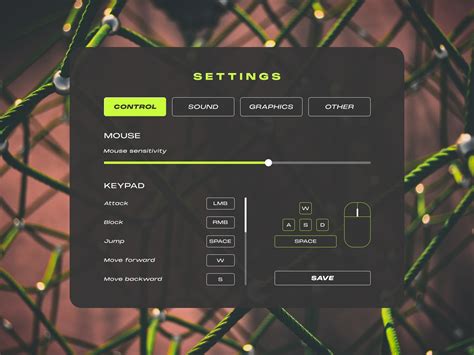
While not strictly gameplay, showing players where to find and adjust key settings can significantly improve their first-hour experience. This includes graphical settings (for performance), audio adjustments, and remapping controls. Point out critical accessibility options like subtitle toggles or colorblind modes. Empowering players to tailor their experience from the get-go fosters comfort and reduces frustration, making them more likely to continue.
The Balance of Guidance and Discovery
Ultimately, a successful first-hour beginner guide strikes a delicate balance. It provides enough scaffolding to prevent players from feeling lost or frustrated, but not so much that it robs them of the joy of discovery. It’s about building confidence and curiosity, setting the stage for a deeper dive into the game’s world. By focusing on these core elements – controls, UI, objectives, core mechanics, and essential settings – guides can transform a potentially bewildering introduction into an engaging and positive first step.