What core elements make an effective ‘how to play’ guide for *any* game genre?

The Universal Blueprint for Engaging New Players
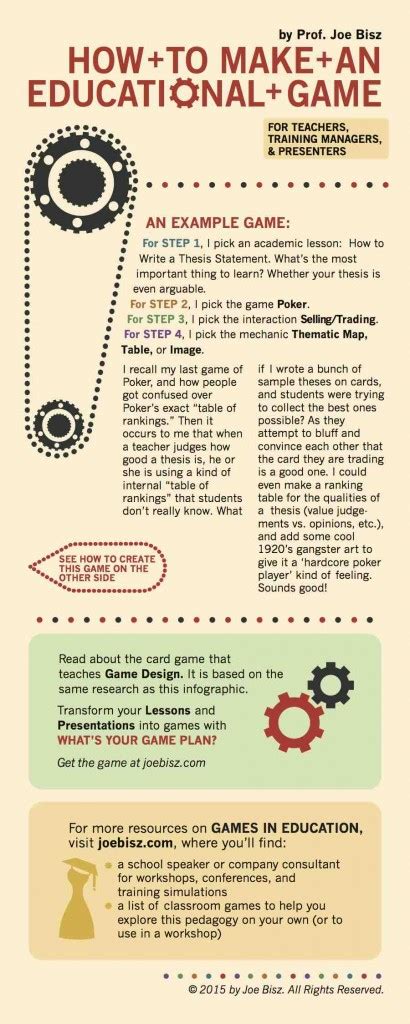
An effective “how to play” guide is the cornerstone of a positive new player experience, regardless of the game’s genre – be it a complex RPG, a fast-paced FPS, a strategic board game, or a casual mobile puzzle. The goal is to transform a complete novice into a confident participant, understanding the core mechanics and objectives without feeling overwhelmed. While game specifics vary wildly, the fundamental principles of a great guide remain consistent, focusing on easing the learning curve and fostering immediate engagement.
Clarity and Conciseness: Cutting Through the Noise
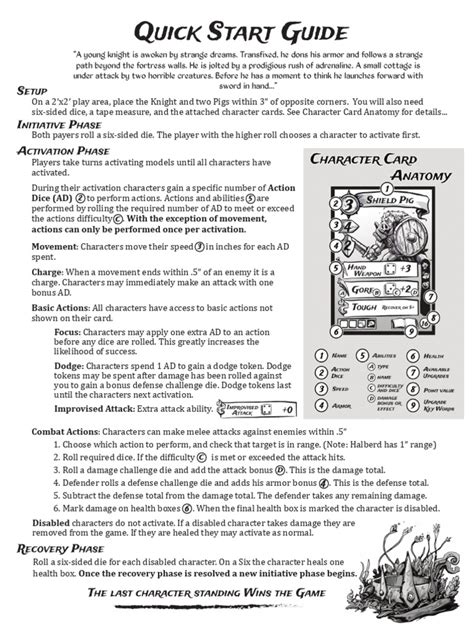
The first rule of any effective guide is simplicity. Avoid jargon where possible, or if necessary, explain it clearly and immediately. Players want to play, not read an encyclopedia, so get straight to the point. Use simple language, short sentences, and break down complex concepts into manageable, digestible chunks. Overloading a new player with too much information too soon can lead to frustration and disengagement.

Progressive Disclosure and Pacing: Learning by Doing
An effective guide doesn’t dump all information at once. Instead, it employs progressive disclosure, introducing concepts gradually as they become relevant. Start with the absolute basics (movement, primary interactions) before moving to advanced strategies. Allow players to practice each new concept before moving on, providing a low-stakes environment for experimentation. For those who desire more, offer optional deeper dives, but keep the core learning path lean and focused.
Visual Aids and Examples: Show, Don’t Just Tell
Humans are highly visual learners, and games are inherently visual mediums. “Show, don’t just tell” is paramount. Screenshots, diagrams, highlighted UI elements, and short video clips are invaluable for demonstrating controls, key UI features, and various game states. Use clear, annotated examples of in-game scenarios to illustrate mechanics, and maintain a consistent visual language to reinforce learning across the guide. This visual reinforcement significantly reduces cognitive load.
Interactivity and Practice: The Core of Retention
Passive reading or watching is far less effective than active participation. An effective guide integrates interactive elements such as guided walkthroughs, mini-tutorials, and sandbox areas where players can experiment without fear of failure. Immediate feedback on player actions helps solidify understanding, allowing them to internalize mechanics through direct experience rather than abstract explanation. The goal is to build muscle memory and intuitive understanding.

Context and Purpose: Understanding the ‘Why’
Players learn best when they understand the purpose behind what they’re learning. Explain why certain mechanics exist and how they contribute to the game’s overall objective or fun. Connect the dots for the player: “You need to understand X because it helps you achieve Y, which is important for Z.” Giving players a sense of purpose and outlining the basic win condition or primary goal from the outset provides crucial motivation and direction.
Accessibility and User Experience: Designing for Everyone
A great guide is also user-friendly. Ensure it’s easily accessible within the game itself or from supporting materials, and allow players to revisit sections at their leisure. Consider different learning styles and accessibility needs, offering customizable control schemes or clearly explaining default ones. A well-designed user experience ensures that the guide itself isn’t another barrier to entry, but rather a seamless gateway into the game world.

Conclusion: From Novice to Enthusiast
By prioritizing clarity, progressive learning, strong visuals, interactivity, and a clear sense of purpose, creators can craft “how to play” guides that transcend genre limitations. An effective guide doesn’t just teach the rules; it invites the player into the game world, transforming initial confusion into confidence and setting the stage for an enjoyable and lasting experience. Ultimately, the goal is not just to teach the game, but to inspire passion for it.