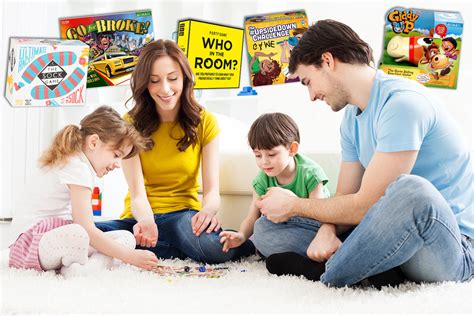
What cooperative family game mechanics prevent meltdowns in mixed-skill groups?
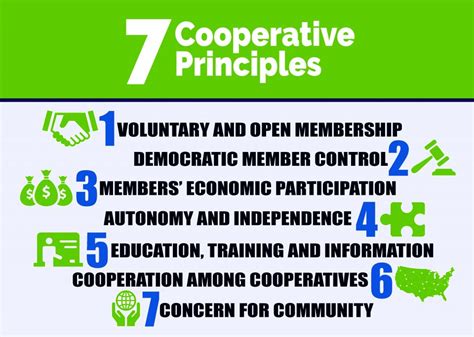
Navigating Fun: Cooperative Mechanics for Every Family
Family game nights are meant to be a source of joy and bonding, but when players span a wide range of ages and skill levels, the potential for frustration and even meltdowns can loom large. Younger children might struggle with complex strategies, while older players might feel bored or tempted to ‘alpha game’ – dominating decisions and spoiling the fun for others. Fortunately, clever cooperative game mechanics exist to bridge these gaps, ensuring everyone feels engaged, challenged appropriately, and part of a winning team.

The Power of Hidden Information and Limited Communication
One of the most effective ways to prevent alpha gaming and encourage individual participation is through mechanics that limit communication or hide information. In games where players have secret hands of cards or hidden objectives, no single person can dictate every move. This forces each player, regardless of age or experience, to make their own decisions based on their unique information, contributing to the collective strategy in their own way. It empowers younger players to think critically without being directly told what to do, while preventing older players from micro-managing every turn.
Scalable Roles and Asymmetric Abilities
Cooperative games excel when they offer roles or abilities that can be scaled to different skill levels. Some games feature characters with simpler, more straightforward actions perfect for younger children, alongside characters with more complex decision trees or unique powers better suited for experienced players. This asymmetry ensures that everyone contributes meaningfully to the shared goal without being overwhelmed or underwhelmed. A child might focus on a crucial support role, while an adult manages more intricate combos, all working towards the same victory condition.

No Player Elimination and Catch-Up Mechanisms
Nothing sours a family game night faster than a player being eliminated early and having to sit out while others continue. Cooperative games inherently avoid this pitfall, as all players typically remain engaged until the game’s conclusion. Furthermore, some cooperative titles incorporate subtle ‘catch-up’ mechanisms. These aren’t about singling out a struggling player, but rather about providing gentle boosts or opportunities for the entire team to recover from setbacks. This ensures that a few early mistakes don’t snowball into an unwinnable situation, keeping morale high and motivation intact for everyone.
Layered Complexity and Modular Rules
A sign of great cooperative family game design is its ability to offer simple core rules that are easy for anyone to grasp, coupled with optional modules or advanced rules that experienced players can layer on. This allows families to tailor the game’s complexity to their group’s dynamic. New players or younger children can focus on the basics, enjoying immediate engagement, while adults can explore deeper strategies or introduce new challenges as the group’s skills grow. This adaptability prevents both boredom and frustration.
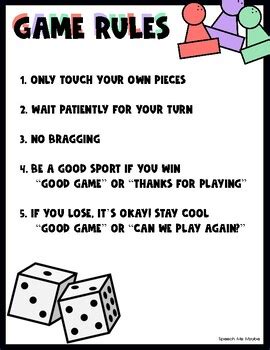
Shared Victory and Collaborative Problem-Solving
At the heart of cooperative games is the fundamental principle of a shared victory (or loss). This intrinsic mechanic immediately fosters a sense of unity and collaborative problem-solving. Every player’s contribution, no matter how small, moves the team closer to its goal. When the stakes are shared, the focus shifts from individual achievement to collective strategy. This encourages older players to guide and teach, rather than dictate, and empowers younger players to see their actions as vital parts of a larger plan. The shared sense of accomplishment upon winning is a powerful bonding agent that transcends individual skill differences.

Conclusion: Fostering Fun for All
Cooperative family games, when designed with these thoughtful mechanics, transform potential conflicts into opportunities for collaboration and growth. By preventing alpha gaming through hidden information, accommodating diverse skill sets with scalable roles, ensuring continuous engagement with no player elimination, offering adaptable complexity, and reinforcing shared goals, these games create truly inclusive experiences. They are more than just entertainment; they are tools for teaching teamwork, strategic thinking, and empathy, ensuring that every family game night ends not with a meltdown, but with cheers and a desire for ‘just one more game!’