What concrete steps make a game’s ‘how-to’ guide genuinely help a true novice progress?
For a true novice, entering a new game world can be as daunting as it is exciting. The success of their initial experience often hinges on the quality of the ‘how-to’ guide or tutorial system. It’s not enough to simply list controls or mechanics; a truly effective guide must actively facilitate progression, build confidence, and transform confusion into competence. This requires a deliberate, player-centric approach that goes beyond basic instructions.
Progressive Disclosure: The Gentle Introduction
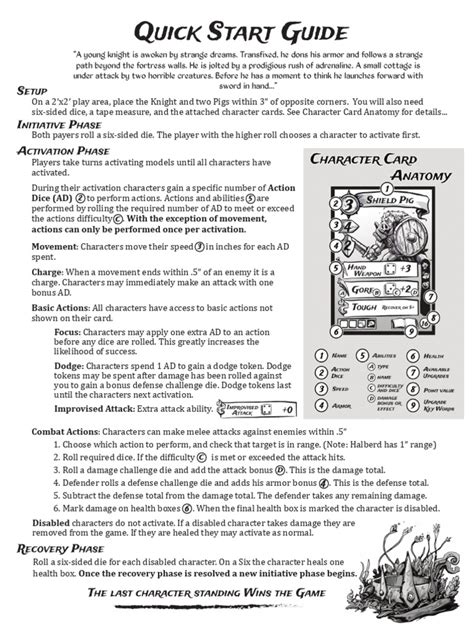
One of the most critical steps is to avoid overwhelming the player. True novices benefit immensely from progressive disclosure, where information and mechanics are introduced gradually, one concept at a time. Rather than front-loading a lengthy manual or an exhaustive tutorial sequence, break down core mechanics into small, digestible chunks. Begin with movement and basic interaction, then layer on combat, inventory, or complex systems only after the foundational skills are understood and practiced. This modular approach allows players to master each step before moving to the next, reducing cognitive load.

Visual Clarity and Intuitive UI
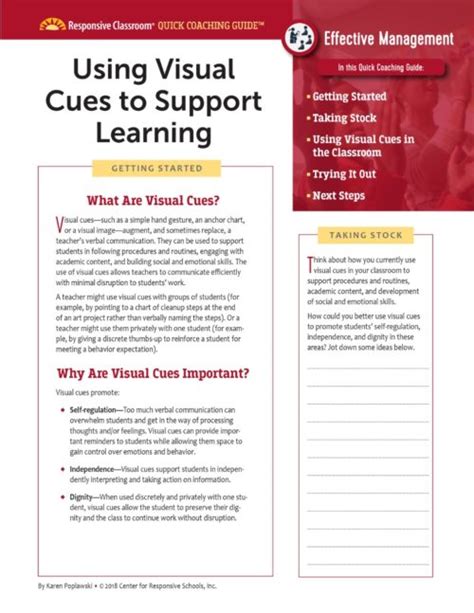
Text-heavy explanations are often ignored or misunderstood. A genuinely helpful guide prioritizes visual communication. This means using clear, animated visual cues, highlighted UI elements, and intuitive iconography to demonstrate actions and outcomes. For instance, instead of telling a player to “press ‘E’ to interact,” show an animated hand reaching for an object with an ‘E’ button prompt subtly fading in and out. The game’s user interface itself should be designed to be self-explanatory, guiding the player’s eye to relevant information and actionable elements without needing excessive text.
Interactive Practice and Immediate Feedback
Learning by doing is paramount. A guide that truly helps a novice progress integrates interactive practice directly into the learning flow. This could involve mini-challenges, guided “first quest” scenarios, or even a sandbox area where new mechanics can be experimented with safely. Crucially, every action taken by the player should be met with immediate, clear feedback. Did they successfully perform the action? Reward them with a visual confirmation and a brief celebratory message. Did they struggle? Provide a hint or gently redirect them. This constant loop of action-feedback reinforces correct behaviors and helps players correct mistakes in real-time.
Context-Sensitive and On-Demand Help
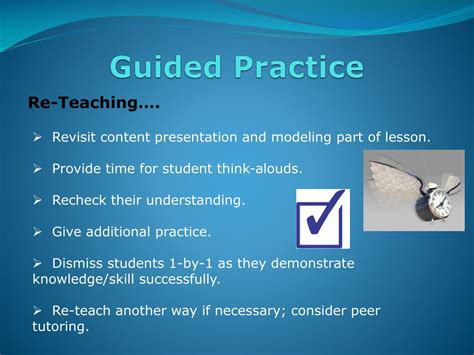
Novices often forget instructions, or only realize they need help when facing a specific obstacle. An effective guide anticipates this by offering context-sensitive help. This means a tooltip system that appears when hovering over new UI elements, dynamic prompts that appear when a player seems stuck in a particular situation (e.g., “Hint: Try using your ability ‘X’ here!”), and an easily accessible, searchable in-game glossary or wiki. The key is to provide assistance precisely when and where it’s needed, without forcing unwanted information upon the player or making them dig through menus to find basic answers.

Reinforcement and Pacing
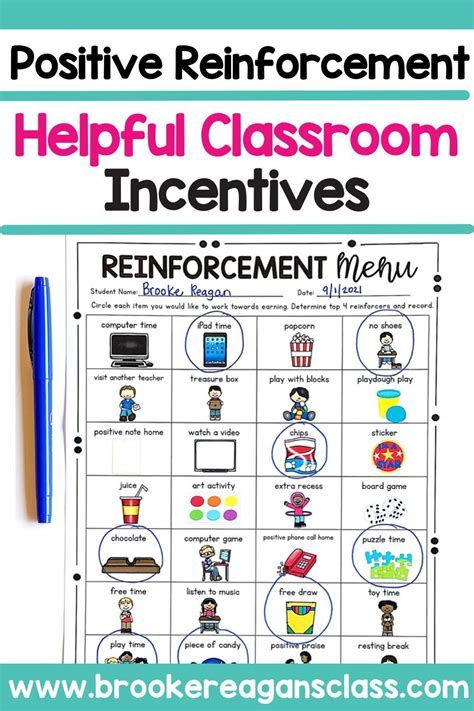
Finally, a guide should not only introduce but also reinforce learning. Periodically recap key abilities or tactics learned, perhaps through slightly more complex challenges that require combining previously learned skills. Respecting the player’s pace is also vital; avoid rigid, unskippable tutorials once the initial foundational mechanics are covered. Allow experienced players to bypass sections and give novices the freedom to revisit explanations or practice areas. Celebrating small victories, such as completing a tutorial segment or performing a new move correctly, further builds confidence and encourages continued engagement.
Ultimately, a game’s ‘how-to’ guide is not just a set of instructions, but a carefully crafted journey designed to onboard new players smoothly. By focusing on progressive disclosure, clear visuals, interactive practice, context-sensitive aid, and thoughtful reinforcement, developers can transform potentially overwhelming experiences into genuinely rewarding and empowering introductions, ensuring novices not only understand the game but thrive within it.