What common beginner pitfall must game guides always address early?

The Overwhelming Initial Lack of Direction and Core Understanding
Every new game presents a learning curve, but for beginners, this curve can feel like a vertical cliff face. Among the myriad of potential missteps, one common pitfall stands out as the most critical for game guides to address immediately: the overwhelming initial lack of direction and the failure to grasp the game’s fundamental mechanics and core objective. Without a clear compass, new players quickly become lost, frustrated, and ultimately, disengaged.

This isn’t merely about knowing which button jumps or attacks; it’s about understanding the “why” and “how” of progression within the game world. New players are often bombarded with information simultaneously: complex user interfaces, intricate lore, multiple quest markers, and various skill trees or inventory systems. When a guide fails to distill this complexity into actionable, immediate steps, the player can feel utterly adrift. They might not understand what their primary goal is, how to achieve it, or even what constitutes a meaningful action in the game’s early stages.
Why This Pitfall Is So Damaging
Failing to address this fundamental lack of direction has dire consequences. A confused player is a frustrated player. This frustration quickly erodes enjoyment and leads to disengagement, often resulting in players abandoning the game before they’ve even scratched the surface of its potential. Imagine picking up a survival game and not knowing how to gather basic resources or craft an essential tool, or starting an RPG without understanding how to accept a quest or level up your character. The perceived complexity or lack of immediate reward can make the experience feel like work rather than play, driving new users away permanently.

Furthermore, early frustration creates a negative first impression that is incredibly difficult to overcome. If a guide doesn’t provide a clear, gentle onboarding, players might incorrectly attribute their confusion to poor game design rather than their own unfamiliarity, leading to negative reviews and reduced player retention.
How Effective Guides Tackle This Head-On
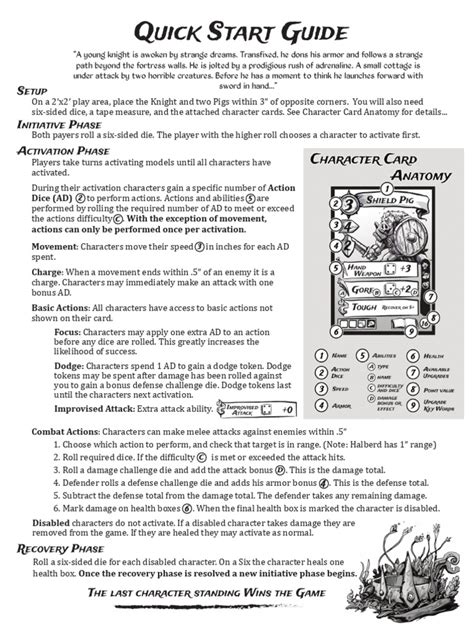
A truly effective game guide must prioritize simplifying the initial experience. It should act as a benevolent instructor, cutting through the noise to highlight the absolute essentials needed for the first 30-60 minutes of gameplay. This means:
- Clear Core Objective: Immediately state what the player’s primary goal is in the very beginning. “Your first task is to escape this area,” or “Gather these three items to craft your initial weapon.”
- Fundamental Controls and Interactions: Go beyond just listing controls; explain how they apply to the immediate situation. “Use ‘W’ to move forward to the objective marker,” not just “W: Move Forward.”
- Simplified Progression Path: Outline the very next steps for progression. Avoid discussing advanced mechanics, skill trees, or late-game strategies. Focus on the immediate “what next.”
- Highlighting Essential UI Elements: Point out the health bar, mini-map, or quest tracker, and explain their direct relevance to the current objective.

The goal is to build confidence and provide small, achievable victories. Once players understand the basic loop — what they need to do, how they do it, and what the immediate reward is — they gain a foundational understanding upon which more complex systems can be built. This incremental learning approach prevents overwhelm and encourages continued exploration.
Beyond the Initial Hurdle
Once the initial confusion is cleared, guides can then gradually introduce more advanced topics. Resource management, optimal build strategies, intricate lore, and optional side content become much more digestible when the player isn’t grappling with the very basics of movement and objective completion. By securing a player’s footing at the outset, guides ensure they are prepared and motivated to delve deeper into the game’s rich offerings.
Conclusion
The most crucial pitfall any beginner game guide must address early is the potential for initial overwhelm stemming from a lack of clear direction and fundamental understanding. By providing a concise, actionable, and simplified roadmap for the game’s opening moments, guides can transform a potentially frustrating experience into an engaging and rewarding one, setting players up for long-term enjoyment and success.