What are the best cooperative cozy family games to avoid sibling arguments?
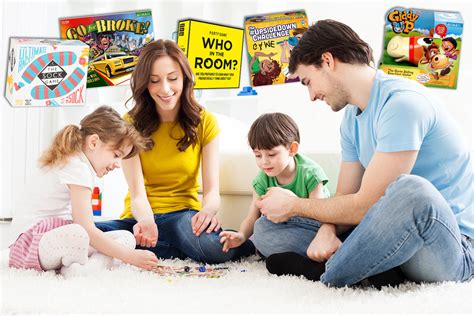
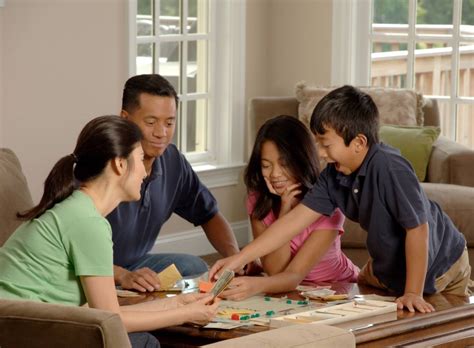
Game night is a cherished family tradition for many, a time for laughter, connection, and playful competition. However, for families with siblings, it can sometimes veer into territory less cozy and more combative, with arguments over rules, unfair advantages, or perceived cheating. The secret to a truly harmonious game night? Cooperative games!
Why Cooperative Games Are a Game-Changer
Cooperative games shift the dynamic from ‘player versus player’ to ‘players versus the game.’ Instead of competing against each other, family members work together toward a common goal. This fundamental change instantly reduces sibling rivalry, encourages communication, and fosters teamwork. Everyone wins or loses together, turning potential conflict into shared problem-solving and collective celebration (or commiseration).
These games naturally teach valuable skills like collaboration, strategic thinking, and emotional regulation, all while wrapped in an enjoyable, low-pressure package. They’re designed to build bonds, not break them, making them perfect for creating genuinely cozy and memorable family moments.

Top Picks for Cozy Family Cooperation
Here are some fantastic cooperative games that excel at bringing families together and keeping sibling squabbles at bay, catering to various age groups and interests:
Hoot Owl Hoot! (Ages 4+)
This brightly colored, simple game from Gamewright is perfect for younger children. Players work together to help a group of owls fly back to their nest before the sun rises. It’s a gentle introduction to cooperative play, focusing on color matching and strategic movement without complex rules, ensuring everyone feels involved and successful.
Outfoxed! (Ages 5+)
Another gem from Gamewright, Outfoxed! is a cooperative deduction game where players work together to discover which fox stole Mrs. Plumpert’s prized pot pie before the culprit escapes. Using clue cards and a special decoder, children learn to apply logic and work collaboratively to narrow down suspects. It’s engaging, encourages discussion, and builds critical thinking skills in a fun, non-confrontational way.
Forbidden Island (Ages 8+)
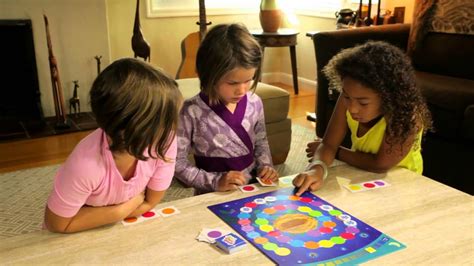
For slightly older children and pre-teens, Forbidden Island offers a thrilling cooperative adventure. Players are intrepid adventurers on a sinking island, working together to collect sacred treasures and escape before the island is completely submerged. This game introduces more complex strategy and risk assessment, requiring players to pool their resources and abilities to beat the game, rather than each other. It’s an excellent gateway into more strategic cooperative board gaming.
Mysterium (Ages 10+)
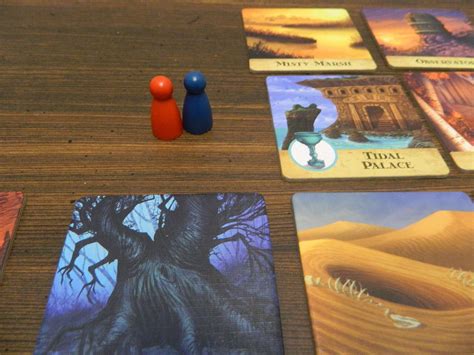
A beautifully illustrated game, Mysterium offers a unique cooperative experience where one player acts as a ghost, communicating clues through abstract ‘vision cards’ to psychic players who are trying to solve a murder mystery. There’s no direct competition, only collective interpretation and imagination, making it a truly immersive and collaborative storytelling experience perfect for engaging older siblings and parents alike.
Beyond the Board: Tips for a Harmonious Game Night
- Set the Stage: Create a cozy atmosphere with snacks, comfortable seating, and perhaps some background music.
- Emphasize Teamwork: Remind everyone that the goal is to beat the game together, not to outshine each other.
- Model Good Sportsmanship: Parents, demonstrate how to celebrate successes and handle setbacks as a team.
- Rotate Roles: If a game has specific roles (like the Ghost in Mysterium), ensure everyone gets a turn.
- Keep it Fun: The ultimate goal is family bonding, so prioritize laughter and connection over strict adherence to every rule.
Digital Cooperative Fun
For families who enjoy screen time, there are also excellent digital cooperative games that can foster teamwork. Titles like Overcooked! (working together in a chaotic kitchen) or Minecraft (collaborative building and exploration) can provide similar benefits, teaching coordination and shared goal-setting in a virtual environment.
Conclusion
Shifting your family game night to a cooperative model can transform it from a potential battleground into a haven of harmony and shared joy. By working together towards a common goal, siblings learn invaluable lessons in teamwork, communication, and mutual support, all while creating cherished memories that last long after the game is put away. So gather your family, choose your adventure, and prepare for a truly cozy and argument-free game night!