What are key red flags for predatory gacha mechanics and how can players avoid them?
Gacha mechanics, derived from Japanese capsule toy vending machines, have become a cornerstone of free-to-play (F2P) mobile gaming. While they offer a thrill of randomness and the potential for rare rewards, many gacha systems are designed with predatory elements that can lead to excessive spending, player frustration, and even financial harm. Understanding these red flags is the first step towards a healthier, more enjoyable gaming experience.

Key Red Flags of Predatory Gacha Mechanics
Identifying predatory mechanics requires a keen eye for design choices that prioritize monetization over player well-being. Here are some of the most common warning signs:
- Extremely Low Drop Rates for Essential Content: If core characters, powerful weapons, or progression-critical items have abysmal drop rates (e.g., less than 1% for top-tier rewards), and there’s no clear, achievable path to obtain them through gameplay, it’s a major red flag. This forces players to spend significantly to remain competitive or even progress.
- Unclear or Misleading Odds: Games that obscure their gacha odds, present them in confusing ways, or use deceptive language (“increased chance!”) without transparent numbers are attempting to hide how difficult it truly is to get desired items.
- “Pity” Systems That Reset or Are Too High: A “pity” system guarantees a rare item after a certain number of pulls. However, if this counter resets for every new banner, requires an exorbitant number of pulls, or only applies to specific, less desirable items, it’s a weak form of player protection that still encourages heavy spending.
- Aggressive FOMO (Fear of Missing Out) Tactics: Limited-time banners, exclusive characters, and events that heavily imply “now or never” pressure players into immediate purchases. This preys on psychological vulnerabilities, pushing users to spend before they’ve fully considered the value.

- Escalating Difficulty and “Pay-to-Win” Walls: When game content becomes disproportionately difficult, seemingly requiring specific, rare gacha units to progress, it creates a “pay-to-win” barrier. This is especially true if free-to-play options are intentionally underpowered or require an unreasonable grind.
- Manipulative UI/UX: Flashy animations for pulls, celebratory sounds, prominent “buy now” buttons, and confusing currency systems (e.g., requiring premium currency to buy other premium currency) are designed to make spending feel rewarding and to obscure the real money cost.
- Multiple Layers of RNG (Random Number Generation): Beyond just pulling a character, some games introduce RNG for character stats, equipment upgrades, or skill enhancements. This “gacha within gacha” system means even after obtaining a rare item, players must spend more to make it truly useful.

How Players Can Avoid Predatory Gacha Practices
Empowering yourself as a player means developing strategies to enjoy games without falling into financial traps. Here’s how:
- Set Strict Budgets and Stick to Them: Before you even download a new gacha game, decide how much (if anything) you are willing to spend each month. Treat it like entertainment spending, not an investment, and never exceed your limit.
- Research and Read Reviews: Before committing time or money, look up community reviews, watch gameplay videos, and check discussions on forums like Reddit. Players are often quick to highlight predatory monetization. Understand the game’s monetization model before you get invested.
- Avoid Impulse Pulls and Purchases: When a new, exciting banner drops, resist the urge to pull immediately. Give yourself 24-48 hours to cool off and consider if the item is truly necessary for your enjoyment or just a fleeting desire.
- Prioritize Enjoyment Over “Completion”: Accept that you won’t get every single character or item unless you’re willing to spend thousands. Focus on enjoying the gameplay with the units you have, and set realistic goals that don’t depend on rare pulls.
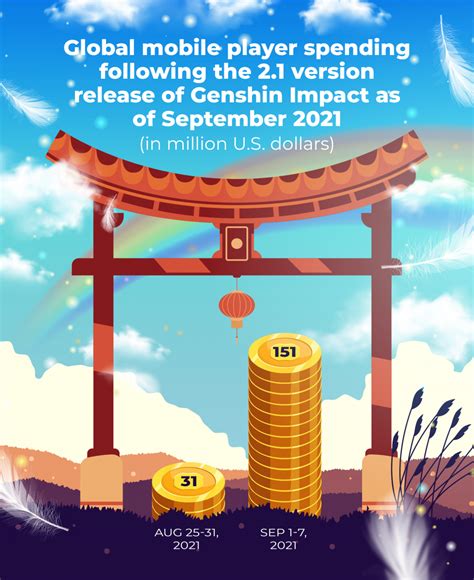
- Recognize Psychological Triggers: Be aware of FOMO, the sunk cost fallacy (feeling like you need to spend more because you’ve already spent some), and the “just one more pull” mentality. These are designed to keep you spending.
- Utilize Free Resources Wisely: Most gacha games provide free premium currency through daily quests, events, and login bonuses. Save these for essential pulls or for banners featuring units you truly desire and have researched. Don’t waste them on trivial pulls.
- Take Breaks and Disconnect: If you find yourself constantly thinking about the game, feeling pressured to spend, or getting frustrated, it’s a sign to take a break. Stepping away can help reset your perspective and reduce the urge to spend.

Conclusion
Gacha games can be incredibly fun and engaging, offering rich worlds and satisfying gameplay loops. However, the line between fair monetization and predatory design can be thin. By understanding the common red flags and adopting responsible gaming habits, players can navigate the free-to-play landscape more effectively, ensuring their enjoyment of games doesn’t come at an unacceptable financial or psychological cost. Be informed, be empowered, and play smart.