What are essential elements for concise game onboarding guides for absolute beginners?

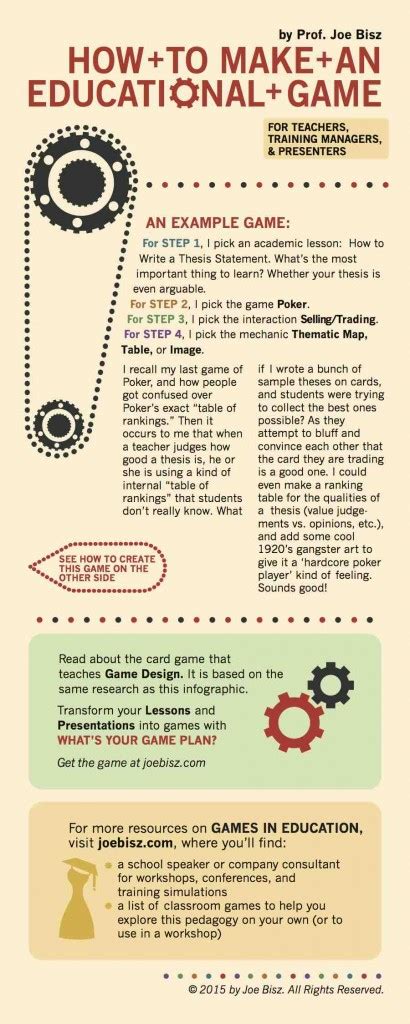
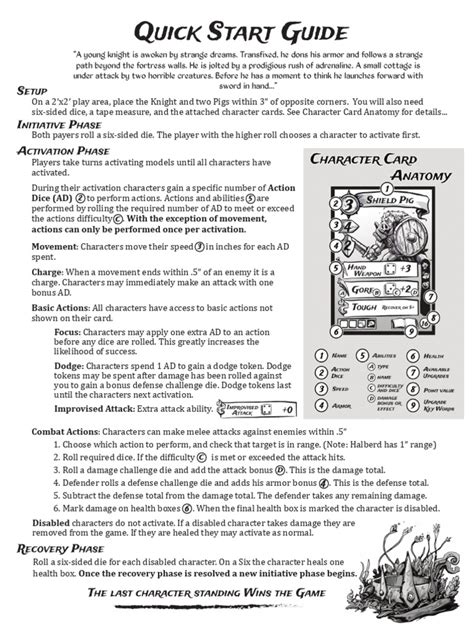
For absolute beginners, a game’s initial onboarding experience can make or break their engagement. Overwhelming information or a lack of clear guidance often leads to frustration and early abandonment. Crafting a concise, effective onboarding guide is an art, focusing on empowering new players without drowning them in details. The goal is to get them playing and understanding the core loop as quickly and enjoyably as possible.
Keep it Brief and Focused
The most critical aspect of any beginner guide is its brevity. Absolute beginners don’t need to know every nuance of the game in the first five minutes. Focus only on the essential mechanics required to perform the primary actions and understand the core objective. Introduce concepts one at a time, building complexity gradually. Avoid jargon; use simple, straightforward language that a complete novice can grasp immediately. Prioritize fundamental controls, movement, basic interaction, and the immediate objective.
Visuals Over Text
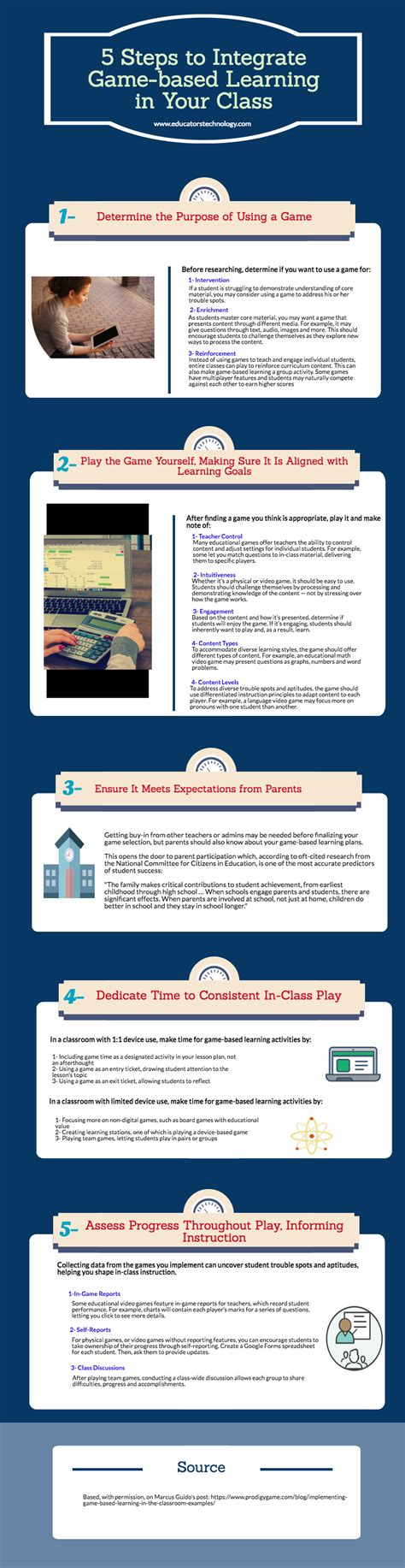
Show, don’t just tell. Absolute beginners benefit immensely from visual cues. Use clear, intuitive icons, highlighted areas, and animated indicators to guide their attention. If a button needs pressing, highlight it. If a movement is required, show an arrow or an avatar performing the action. Keep text blocks minimal, using them only to supplement visual instructions. A picture or a short animation can convey more information faster and more effectively than several paragraphs of text, especially in a dynamic medium like a video game.
Learn by Doing (Interactive Tutorials)
Passive learning through static text or cutscenes is often less effective than active participation. An ideal onboarding guide integrates learning directly into gameplay. Give players immediate, simple tasks that require them to use the mechanics being taught. For example, if teaching movement, prompt them to move to a specific spot. If teaching combat, give them a dummy to hit. Provide instant feedback on their actions, whether correct or incorrect, so they can immediately understand the consequences and refine their approach. This hands-on experience solidifies understanding and builds confidence.
Contextual and Timely Information
Information overload is a common pitfall. Instead of front-loading all instructions, deliver information contextually, precisely when the player needs it. For instance, explain how to open a chest only when the player encounters their first chest. Explain crafting only when they gather the first component. This approach prevents players from having to remember instructions out of context and ensures the information is immediately relevant and applicable, leading to better retention and less frustration.
Clear Goals and Progress Indication
Beginners need to know what to do next and feel a sense of accomplishment. Clearly define short-term goals within the onboarding process, such as “Press A to jump” or “Collect 3 items.” Provide visual or auditory cues that indicate successful completion of a task. A progress bar, a checkmark, or a simple “Task Complete!” message can be incredibly motivating. This clear path and positive reinforcement keep players engaged and eager to continue exploring the game world, transforming what could be a chore into an early, rewarding experience.

Ultimately, a successful game onboarding guide for absolute beginners prioritizes simplicity, clarity, and engagement. By focusing on concise, visually-driven, interactive, and timely instruction, game developers can ensure that new players not only grasp the basics but also feel welcomed and excited to dive deeper into the game’s unique offerings.