What actionable tips make game guides instantly clear for absolute beginners?

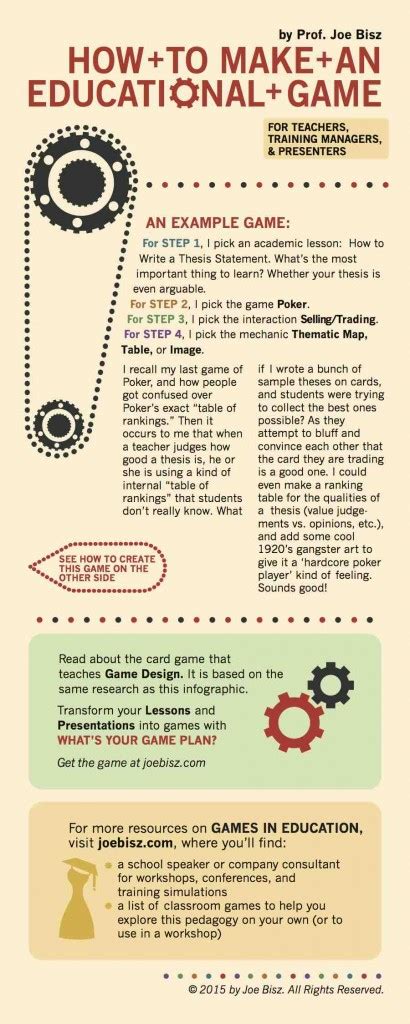
When an absolute beginner picks up a game, the last thing they need is a guide filled with jargon, complex strategies, or assumptions about prior knowledge. A truly effective game guide for novices acts as a friendly mentor, leading them through the initial hurdles with patience and clarity. The goal is to make the game accessible, reduce frustration, and encourage continued play. But what specific, actionable steps can guide writers take to achieve this instant clarity?
1. Speak Their Language: Eliminate Jargon and Acronyms
Imagine explaining advanced physics to someone who barely understands algebra. That’s how a beginner feels when a guide uses terms like ‘DPS rotations,’ ‘aggro management,’ or ‘CC immunity’ without explanation. Always assume zero prior knowledge, not just of the specific game, but of gaming conventions in general.
- Define Everything: If you must use a specific term, define it the first time it appears. For example, ‘DPS (Damage Per Second) is a measure of how much damage a character deals over time.’
- Use Simple Synonyms: Instead of ‘mitigate damage,’ try ‘reduce damage.’ Instead of ‘proc,’ explain the effect directly.
- Avoid Acronyms: Spell out every acronym (e.g., ‘NPC’ as ‘Non-Player Character’) or avoid them entirely by describing the entity.
2. Step-by-Step: The Granular Approach
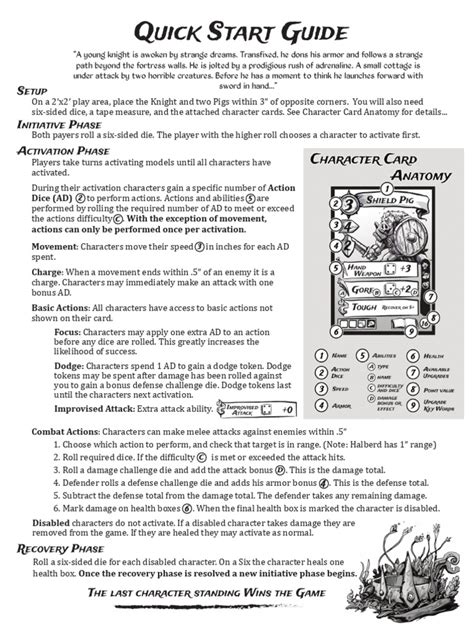
Beginners need a clear path, not a map with missing segments. Every action, no matter how small it seems to an experienced player, needs to be explicitly laid out. Think of it like giving directions to someone who’s never been to the city before.
- Start at the Very Beginning: How to launch the game, create a character, or navigate the initial menu. Don’t skip these foundational steps.
- One Action Per Step: Break down complex tasks into individual, manageable actions. Instead of ‘Go to the town and accept the quest,’ separate it: ‘1. Open your map and find the town. 2. Walk or fast-travel to the town. 3. Find the quest giver (often marked with an exclamation mark). 4. Talk to them and accept the quest.’
- Use Numbered Lists: This inherently structured format makes following instructions much easier than dense paragraphs.

3. Show, Don’t Just Tell: Visual Aids & Context
While text is essential, visual cues can dramatically enhance clarity, especially for actions related to the game’s user interface or specific in-game locations.
- Describe Visual Cues: Explain what beginners should *look* for. E.g., ‘Look for a glowing blue portal,’ or ‘The quest icon is a yellow exclamation mark above the character’s head.’
- Explain the ‘Why’: Don’t just tell them what to do, explain why it’s important. ‘Collect 10 wood to build your first shelter, which will protect you from night creatures.’ This adds context and motivation.
- Anticipate ‘What Ifs’: What if the beginner gets lost? What if they click the wrong button? Provide alternative steps or troubleshooting advice.

4. Anticipate Beginner Mistakes and Questions
An expert remembers the struggles of being a novice. Leverage this memory to foresee common pitfalls and address them proactively in your guide.
- Common Errors: Point out things beginners often misunderstand or do incorrectly. ‘Make sure you equip your weapon; simply having it in your inventory isn’t enough.’
- Troubleshooting: Offer solutions for common problems like ‘What if I can’t find X?’ or ‘My character isn’t moving.’
- Reinforce Key Concepts: Repetition, especially for crucial mechanics, helps solidify understanding without being patronizing.

5. Format for Readability and Engagement
Even the clearest content can be lost in an unreadable format. Structure and presentation play a huge role in instant clarity.
- Use Headings and Subheadings: Break up long sections of text with clear, descriptive headings (like this guide uses) to make it scannable.
- Bold Key Information: Highlight important terms, button presses, or crucial instructions so they stand out.
- Concise Sentences and Paragraphs: Avoid long, winding sentences. Keep paragraphs short, ideally 2-4 sentences, to prevent cognitive overload.
- Use Lists (Bulleted and Numbered): As mentioned, these are incredibly effective for breaking down information.

By diligently applying these actionable tips, game guide writers can transform potentially overwhelming experiences into welcoming introductions for absolute beginners. The goal isn’t just to convey information, but to build confidence and foster a love for the game from the very first interaction.