What 3 key elements must every great beginner game guide include for optimal learning?

For newcomers diving into the vast and often complex worlds of video games, a well-crafted beginner guide isn’t just helpful; it’s essential for a smooth and enjoyable learning experience. A truly great guide doesn’t just tell players what to do, but genuinely empowers them to understand the game, overcome initial hurdles, and develop foundational skills. But what exactly transforms a mediocre guide into one that fosters optimal learning? It boils down to three critical elements that cater to different facets of a new player’s journey.
1. Clear, Step-by-Step Progression with Visual Reinforcement
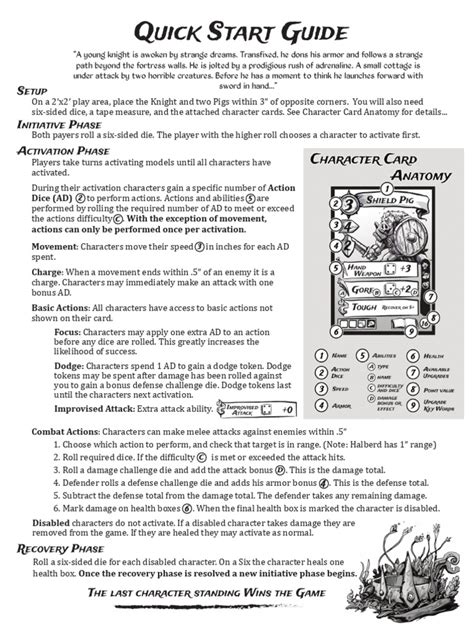
The first and arguably most crucial element is a guide that walks the player through the initial stages of a game with crystal-clear, sequential instructions. New players can easily become overwhelmed by too much information or a lack of direction. A great guide breaks down complex actions and concepts into digestible, manageable steps, allowing learners to build confidence incrementally.
Crucially, this progression should be heavily supported by visual aids. Screenshots, annotated maps, short video clips (even if linked externally), or clear diagrams demonstrating UI elements, enemy patterns, or optimal paths are invaluable. Text alone can be ambiguous; visuals confirm understanding and show exactly what the player should be seeing or doing. This “show, don’t just tell” approach minimizes confusion and accelerates the learning curve, making the guide a practical companion rather than a dense textbook.
2. Demystifying Core Mechanics and Game Philosophy
Beyond simply telling players what buttons to press, an outstanding beginner guide delves into why certain actions are effective and how they relate to the game’s underlying mechanics and design philosophy. Understanding the “rules of the world” — whether it’s the damage calculation system, the resource management loop, the principles of combat evasion, or the logic behind puzzle design — is vital for true mastery. This element moves players from rote memorization to genuine comprehension.
A guide should explain concepts like “aggro” in an MMO, “effective health” in an RPG, or “economy management” in an RTS. It should illuminate the interconnectedness of game systems, allowing players to make informed decisions rather than blindly following instructions. By grasping the game’s core logic, beginners can adapt to new situations, experiment with strategies, and truly begin to think like a seasoned player, moving beyond the hand-holding stage.
3. Actionable Tips, Common Pitfalls, and Practice Scenarios
Finally, a great beginner guide equips players with practical wisdom by highlighting common mistakes, offering actionable tips, and suggesting practice opportunities. Theory is important, but application is where learning solidifies. This element bridges the gap between understanding a concept and successfully executing it in-game.

This includes advice on common early-game strategies, character builds, resource allocation, or combat tactics that new players often overlook. Identifying and explaining typical “newbie traps” (e.g., spending rare resources incorrectly, ignoring side quests, or rushing into high-level areas) can save immense frustration. Furthermore, suggesting specific practice drills or low-stakes scenarios where players can safely apply new skills is incredibly beneficial. This encourages active learning and experimentation, empowering players to build muscle memory and strategic intuition outside of high-pressure situations.
In conclusion, a game guide that aims for optimal learning isn’t just a list of instructions. It’s a carefully structured journey that provides clear, visually supported steps, explains the fundamental mechanics and philosophy behind the game, and offers practical, actionable advice to navigate initial challenges. By integrating these three key elements, guides can transform the often intimidating first hours of a new game into a rewarding and educational experience, setting players up for long-term enjoyment and success.