To hook new players, what essential game mechanics should a beginner guide prioritize?

The Imperative of a Great Beginner Guide
For any game developer or community manager, attracting new players is only half the battle; retaining them is the true challenge. Many players drop off within the first hour if they feel lost, overwhelmed, or simply don’t understand the core appeal. This is where a meticulously crafted beginner guide becomes an indispensable tool. It’s not about spoon-feeding every detail, but rather prioritizing the essential game mechanics that create a solid foundation for understanding and enjoyment. By focusing on these core elements, a guide can transform confusion into comprehension, hooking players for the long haul.

1. The Core Loop: What’s the Game About?
Before anything else, a new player needs to grasp the fundamental objective of the game. What is the main goal? What are they *supposed* to be doing? This is often referred to as the ‘core loop’ – the repetitive cycle of actions that define gameplay. Whether it’s clearing dungeons, building a city, solving puzzles, or competing in matches, understanding this ‘why’ is paramount. A beginner guide should clearly articulate:
- The primary objective (e.g., save the world, achieve high score, defeat rival players).
- The immediate steps or actions that contribute to that objective.
- How success or failure is measured.
Without this foundational understanding, all subsequent mechanics will feel disconnected and meaningless.
2. Basic Controls and Navigation
This might seem obvious, but the inability to move or interact effectively is a major deterrent. A beginner guide must explicitly cover basic controls, including:
- Movement: How to move the character or camera (WASD, arrow keys, thumbsticks).
- Interaction: How to interact with objects, NPCs, or the environment (e.g., ‘E’ key, ‘X’ button).
- Basic Menu Navigation: How to open and close essential menus like inventory, map, or character screen.
Highlighting customizable keybindings (if available) can also empower players to tailor their experience from the start. A brief, interactive tutorial section within the game itself, reinforced by the guide, works wonders.

3. Deciphering the User Interface (UI)
Modern games often have complex UIs packed with information. New players can quickly become overwhelmed by health bars, mini-maps, quest logs, ability cooldowns, and more. A beginner guide should break down the essential UI elements:
- Health/Resource Bars: What they represent and how to replenish them.
- Mini-map/Map: How to read it, identify objectives, and navigate.
- Key Indicators: Important buffs, debuffs, or status effects.
- Quick Slots/Ability Bars: How to use abilities or items quickly.
- Inventory/Gear Management: Basic understanding of how to equip items and manage resources.
Explaining *why* certain information is displayed and *how* to quickly interpret it turns a cluttered screen into a valuable dashboard.
4. Core Interaction System: Combat, Crafting, or Puzzles
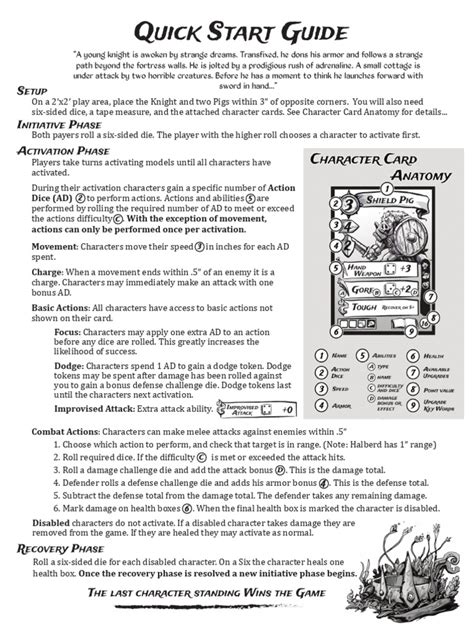
Every game has a primary way players interact with its challenges. Whether it’s a combat system, a crafting mechanic, or a series of puzzles, the guide needs to introduce the absolute basics. For a combat-focused game:
- Basic Attack/Defense: How to initiate attacks, block, or dodge.
- First Abilities: How to use early-game skills or spells.
- Targeting: How to select enemies or objects.
For a crafting game, it would be the first recipe and how to gather initial resources. For a puzzle game, the basic principles of interaction. The goal is to give players enough understanding to overcome their first few hurdles without getting frustrated.
5. Progression and Reward Systems
Players need a reason to keep playing. Understanding how they progress and what rewards they can expect is a powerful hook. A beginner guide should touch upon:
- Experience & Leveling: How to gain XP, what leveling up does, and the benefits of new levels.
- Skill Trees/Upgrades: How to unlock new abilities or improve existing ones.
- Loot & Gear: The concept of finding better items and how they improve performance.
- Unlocks: What new content or features become available over time (e.g., new areas, game modes, characters).
By showcasing the path to becoming more powerful or unlocking more content, players gain a sense of purpose and a compelling reason to invest their time.
Conclusion
A successful beginner guide is a delicate balance of providing just enough information to empower, without overwhelming. By prioritizing the game’s core objective, essential controls, UI interpretation, primary interaction mechanics, and a clear path for progression, guides can significantly increase player retention. New players who feel capable and understand the game’s intrinsic rewards are far more likely to stick around, explore deeper, and ultimately become long-term, loyal members of the game community.