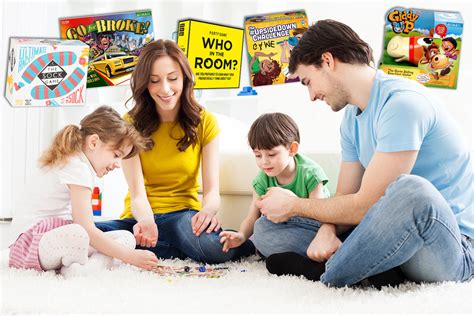
Tips to choose cozy, easy-learn family games for mixed ages and game night success?

Crafting Unforgettable Family Game Nights
Family game night is more than just playing a game; it’s an opportunity to connect, share laughs, and create lasting memories. However, finding games that genuinely engage a mixed age group – from energetic toddlers to discerning teenagers and adults – can be a challenge. The key lies in selecting games that are both ‘cozy’ (fostering warmth and connection) and ‘easy-to-learn’, ensuring everyone feels included and enjoys the experience. Let’s explore how to choose those perfect games.
![[100+] Happy Family Pictures | Wallpapers.com](/images/aHR0cHM6Ly90czEubW0uYmluZy5uZXQvdGg/aWQ9T0lQLjdNSlNwUFhob2NqS0V5RHE2ZExpWHdIYUU4JnBpZD0xNS4x.webp)
Understanding Your Family’s Unique Blend
Before diving into game recommendations, take a moment to consider the unique dynamics of your family. What are the age ranges? What are typical attention spans? Do you have competitive spirits or those who prefer cooperation? A game that works for a family with young children might not resonate with one primarily composed of teenagers and adults, and vice-versa. Look for games with a broad age suitability listed, or those known for being accessible across generations.
Ages and Attention Spans
- Younger Children (3-6): Focus on simple concepts, bright visuals, and short playtimes. Cooperative games or those with minimal reading are ideal.
- Elementary Age (7-12): They can handle more complex rules but still benefit from clear instructions and engaging themes. Strategy can start to emerge.
- Teens and Adults: While capable of complex games, for a mixed-age night, simpler, more social games can be more inclusive and less intimidating.

Key Characteristics of Great Mixed-Age Games
When browsing game shelves, keep an eye out for these crucial traits that contribute to game night success:
- Easy-to-Learn Rules: The fewer barriers to entry, the better. Look for games with short rulebooks, intuitive mechanics, or great video tutorials available online. You want to spend more time playing and less time explaining.
- Engaging for All: The best games offer enough depth to keep adults interested, while remaining simple enough for younger players to grasp the core concepts and feel like they’re contributing. This often involves elements of luck combined with light strategy.
- Cooperative or Low-Conflict: While competition can be fun, cooperative games (where everyone works together towards a common goal) or games with very mild competition often foster a more ‘cozy’ and inclusive atmosphere, especially for sensitive players or if age differences lead to skill gaps.
- Reasonable Playtime: Aim for games that can be completed within 20-60 minutes. This ensures you can play multiple rounds or different games, and it keeps everyone’s attention.
- High Replayability: Games that offer variety with each play (e.g., different setups, variable player powers, or emergent storytelling) will keep your family coming back for more.

Practical Tips for Game Selection and Preparation
Do Your Research
Before purchasing, read reviews and watch “how to play” videos. These resources can quickly tell you if a game’s complexity, theme, and overall feel are right for your family. Look for reviews that specifically mention mixed-age play.
Try Before You Buy
Many local game stores have demo copies, or you might be able to borrow from friends. Websites like BoardGameArena offer digital versions of many popular titles, allowing you to try them out virtually.
Consider the Theme
A theme that resonates with your family’s interests can make a huge difference. Whether it’s cute animals, space exploration, or fantastical adventures, a compelling theme adds to the immersive experience.

Setting the Scene for Success
Beyond the game itself, the atmosphere you create is crucial. Dim the lights, put on some background music, and have some cozy snacks and drinks ready. Emphasize fun and connection over strict adherence to rules, especially with younger players. Be flexible; if a game isn’t clicking, it’s okay to switch to something else or just enjoy some casual conversation.

Fostering Connection Through Play
Choosing the right family game is about more than just entertainment; it’s about fostering connection, teaching valuable skills, and creating cherished memories. By focusing on cozy, easy-to-learn options that cater to mixed ages, you’re setting the stage for countless nights of laughter, collaboration, and pure family joy. Happy gaming!