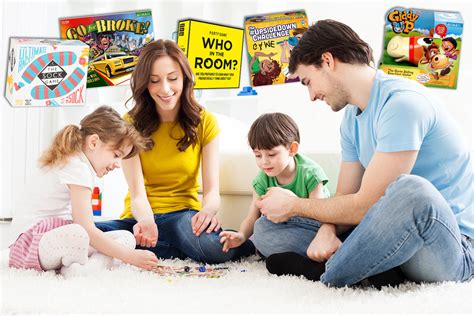
Tips for screen-free cozy family game nights that keep teens and toddlers engaged?

The Ultimate Guide to Screen-Free Family Game Nights for All Ages
In a world increasingly dominated by screens, the idea of a family game night free from digital distractions can feel like a breath of fresh air. However, bridging the gap between an energetic toddler’s short attention span and a teenager’s desire for genuine engagement presents a unique challenge. The good news? It’s entirely possible to create cozy, memorable evenings that captivate every member of your multi-generational household. Here’s how to make your screen-free family game nights a resounding success.
Why Go Screen-Free?
Beyond the obvious reduction in blue light exposure, screen-free game nights foster invaluable benefits. They encourage direct communication, problem-solving skills, and empathy. They create shared memories, strengthen family bonds, and offer a much-needed break from the digital noise, allowing everyone to be fully present and connected.

Strategies for Seamless Multi-Generational Fun
The key to success lies in preparation and flexibility. It’s not about finding one game that perfectly suits everyone, but rather creating an environment where different needs can be met and everyone feels included.
1. Embrace Adaptability and Rotation
Accept that toddlers won’t sit through a complex strategy game, and teens might find simple toddler games tedious. Plan for a rotation of activities. Start with a quick, simple game everyone can participate in, then transition to a game that might cater more to the older kids, perhaps with the toddler playing alongside or engaging in a separate, parallel activity with parental supervision.
2. Create a Cozy & Inviting Atmosphere
Transform your space into an irresistible haven. Think soft lighting, comfy pillows and blankets, and maybe even a crackling fireplace video (if a real one isn’t an option). Prepare easy-to-eat snacks and drinks. A relaxed, comfortable setting sets the tone for connection rather than competition.
3. Involve Everyone in the Planning
Empower your teens by letting them choose a game or snack item for the night. For toddlers, involve them in simple tasks like picking out the game box (even if it’s not the one you play first) or helping set out snacks. Feeling ownership increases engagement.

Game Recommendations That Bridge Age Gaps
While no single game suits all, many can be adapted or offer a level of engagement for various ages.
For Collaborative Fun (Everyone Can Participate)
- Charades or Pictionary: Simplify rules for toddlers (e.g., just make animal sounds or simple actions). Teens can enjoy the creativity and challenge.
- Story Cubes (or similar storytelling games): Roll dice with images and create a collaborative story. Toddlers can point at images, teens can weave complex narratives.
- Dexterity Games (e.g., Jenga, Tumblin’ Monkeys): These are often visually appealing and offer simple physical engagement for toddlers, while older kids enjoy the challenge and tension.
- Cooperative Board Games: Look for games where everyone works together against the game, like “Hoot Owl Hoot!” (younger focus but fun for all) or even simplified versions of “Forbidden Island.”
Engaging Teens with Toddler Participation
Sometimes, teens can play a more complex game with adults while a toddler is nearby, involved in a simpler, parallel activity. Alternatively, teens can take on the role of a “mentor” or “helper” for the toddler.
- Ticket to Ride / Catan Jr.: Teens and adults can play, with toddlers helping move trains or sheep, or simply enjoying the colorful pieces and watching the action.
- “What’s in the Bag?” (Tactile Guessing): Fill a bag with various household objects. Toddlers guess by touch, teens can give clues or make it a timed challenge.

Tips for Keeping Teens Engaged
Teens thrive on challenge, social interaction, and feeling respected. Don’t force them into games they truly dislike, but encourage participation in family activities.
- Give Them Responsibilities: Let them be the “game master,” explain rules, or keep score.
- Friendly Competition (with limits): If a game allows for it, a bit of competition or “bragging rights” can be motivating.
- Open Dialogue: Talk to them about what kind of games they enjoy and be open to trying their suggestions.
- Structured Breaks: Allow for short, designated phone breaks if absolutely necessary, but emphasize returning to the game.

Tips for Keeping Toddlers Engaged
Toddlers have short attention spans and need frequent breaks. Their engagement is more about the experience than winning.
- Keep it Short & Sweet: Play quick rounds or activities that can be easily stopped and restarted.
- Focus on Tactile & Visuals: Games with chunky pieces, bright colors, and simple actions are best.
- Involve Them in Simple Roles: Let them roll the die, move their piece (even if it’s not “their turn”), or just sort pieces by color.
- Don’t Stress the Rules: For toddlers, it’s more about participation and having fun with the family. Adapt or simplify rules as needed, or let them just play with the components.

Making Memories Beyond the Screen
Creating screen-free cozy family game nights with teens and toddlers requires patience, creativity, and a willingness to adapt. It’s not about perfection, but about the shared laughter, the unique challenges, and the invaluable memories forged when you unplug and truly connect. Embrace the chaos, celebrate the small victories, and watch your family bonds strengthen, one game night at a time.