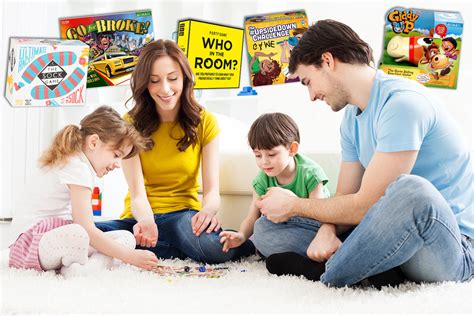
Tips for balancing skill levels in family co-op games to keep everyone happy?

Family co-op games are a fantastic way to bond, but the joy can quickly turn to frustration when skill levels widely differ. From younger children just learning the ropes to experienced adult gamers, finding a balance that keeps everyone engaged and happy is key. The goal isn’t just to win, but to share a fun, cooperative experience. Here’s how to navigate those varying abilities to ensure your family game nights are a hit for all.
Embrace Games with Built-in Flexibility
The first step to a harmonious family game night is selecting games designed with flexibility in mind. Look for titles that offer adjustable difficulty settings, ‘easy modes,’ or built-in handicaps. Many modern co-op games are designed so that younger players can contribute meaningfully without needing expert-level strategy, or so that more skilled players can take on additional challenges. Games that focus on shared problem-solving rather than individual high scores are often ideal.

Assign Roles and Play to Strengths
In many co-op games, different tasks or roles can be assigned. This is a perfect opportunity to play to each family member’s strengths. A younger child might be excellent at identifying colors or shapes, handling inventory, or simply making the ‘fun’ decisions without heavy strategic impact. An older child might manage resources or combat, while an adult oversees overall strategy. By giving everyone a specific, valued role, even if it’s simplified, they feel like an integral part of the team.
Prioritize Fun and Learning Over Winning
Shift the focus from winning to the shared experience and the joy of playing together. Celebrate funny moments, clever attempts, and teamwork, regardless of the outcome. Frame any failures as learning opportunities rather than losses. For younger players, the process of understanding rules, taking turns, and collaborating is far more important than achieving victory. Remind everyone that the ultimate goal is to have fun as a family.

Implement Adaptive House Rules
Don’t be afraid to tweak the rules of a game to better suit your family’s dynamic. This could involve giving younger players extra lives or resources, allowing older players to provide more direct guidance (or less, if they’re too dominant), or even simplifying certain mechanics. For instance, in a strategy game, a younger player might not have to manage as many complex variables. Discuss these ‘house rules’ beforehand so everyone understands and agrees.

Encourage Mentorship and Patience
Task more experienced players with mentoring newer or younger players. This isn’t about telling them what to do, but guiding them through decisions, explaining the “why” behind certain moves, and celebrating their understanding. Patience is crucial; allow children to make their own choices, even if they aren’t optimal, and gently explain the consequences afterwards. This fosters a supportive environment where everyone feels comfortable learning and experimenting.

Rotate Responsibilities and Celebrate Efforts
To ensure no one feels left out or overwhelmed, try to rotate responsibilities or the ‘lead player’ role if the game allows. Actively acknowledge and celebrate every family member’s contributions, no matter how small. Did someone make a great suggestion? Did another player execute a perfect move? Praise their efforts. Positive reinforcement goes a long way in building confidence and maintaining enthusiasm, especially for those still developing their skills.
Conclusion
Balancing different skill levels in family co-op games is an art, not a science. It requires flexibility, empathy, and a collective commitment to fun. By thoughtfully choosing games, adapting rules, fostering a supportive environment, and always keeping the joy of family bonding at the forefront, you can transform potential frustrations into cherished memories and ensure everyone leaves the game table happy.