
How do I spot predatory F2P mobile games before investing time?
Before you invest valuable time, learn to recognize the subtle and overt signs of predatory free-to-play mobile games designed to exploit players through aggressive monetization.
Your Guide to Games, Big and Small.






Before you invest valuable time, learn to recognize the subtle and overt signs of predatory free-to-play mobile games designed to exploit players through aggressive monetization.
Mobile games often tempt players with alluring in-app purchases, but by employing strategic budgeting, understanding game psychology, and utilizing technical safeguards, players can effectively prevent overspending and maintain financial control.

Learn to identify common red flags in free-to-play gacha games that signal poor player value, aggressive monetization, or potentially predatory design practices.

This article explores common predatory mechanics in free-to-play gacha games, such as scarcity, confusing currency, and sunk cost fallacy, while providing actionable strategies like budgeting and impulse control to help players identify these traps and prevent excessive spending.

Navigate the often-treacherous waters of free-to-play gacha games by identifying common predatory mechanics and adopting strategies to ensure you derive genuine enjoyment and value without overspending.

New to gacha games? Learn essential free-to-play strategies to enjoy the experience without falling into overspending traps and maintain a healthy gaming budget.

Learn to identify common red flags in new free-to-play gacha games, from abysmal drop rates and complex currency systems to aggressive monetization, that signal potentially predatory mechanics designed to extract maximum player spending.

Identifying predatory mechanics in Free-to-Play gacha games is crucial for players to avoid financially exploitative designs and enjoy a fair gaming experience.
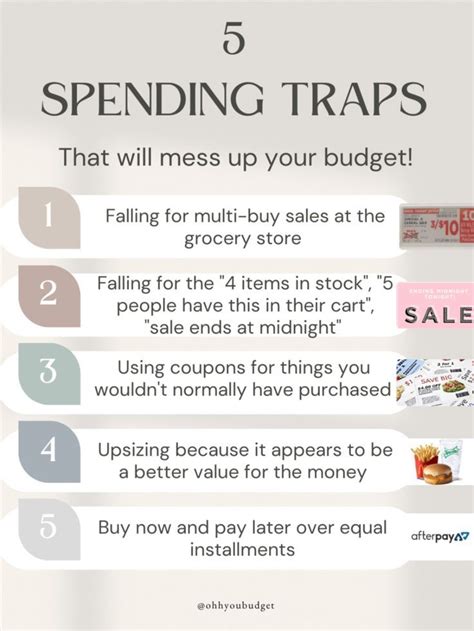
Navigate the complex world of free-to-play gacha games by understanding their mechanics, implementing smart resource management, and resisting common spending temptations to enjoy a fulfilling gaming experience without opening your wallet.

Navigate the complex world of free-to-play mobile games by understanding common predatory monetization tactics and implementing strategies to protect your wallet and your enjoyment.