
Spotting fair F2P gacha: How to avoid predatory spending & play smarter?
Learn how to identify ethical free-to-play gacha games, understand common predatory tactics, and develop smarter playing habits to enjoy gaming without overspending.
Your Guide to Games, Big and Small.






Learn how to identify ethical free-to-play gacha games, understand common predatory tactics, and develop smarter playing habits to enjoy gaming without overspending.

Discover effective strategies to enjoy free-to-play and gacha games to their fullest without succumbing to excessive spending of time or money.

Navigating the thrilling but often tempting world of gacha games as a free-to-play player requires strategic planning, disciplined resource management, and a healthy mindset to prevent overspending and burnout.

Mastering free-to-play gacha games requires sharp awareness to avoid common monetization pitfalls and strategic gameplay to maximize your in-game resources and progress without spending.

This article explores effective strategies for free-to-play gacha game enthusiasts to maximize their in-game value and resist the psychological pressure of spending FOMO.

Discover effective strategies to enjoy gacha games to their fullest without spending a dime, focusing on smart resource management, strategic planning, and understanding game mechanics.

This comprehensive guide helps players identify manipulative monetization practices in free-to-play gacha games and provides actionable strategies to enjoy these titles without spending a dime.

Learn to identify common predatory Gacha mechanics in free-to-play games and adopt smart strategies to enjoy your gaming experience without falling into manipulative spending traps.
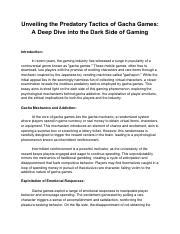
New players in free-to-play gacha games must recognize key warning signs like low drop rates, aggressive time gates, and manipulative psychological tactics to avoid falling victim to predatory monetization practices.
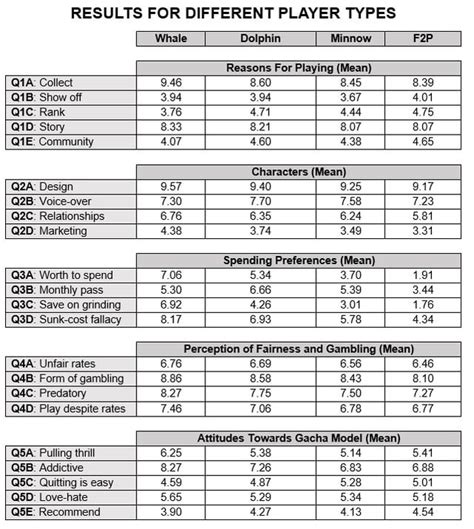
Before committing time and money to a new free-to-play gacha game, understanding its inherent value proposition, gacha mechanics, and long-term sustainability is crucial for a rewarding and budget-conscious gaming experience.