Switch console lag? Optimize settings for smoother gameplay.

Few things are more disruptive to an immersive gaming session than unexpected lag or frame drops. If your Nintendo Switch has been feeling sluggish, leading to delayed inputs or choppy visuals, you’re not alone. Fortunately, many common performance issues can be resolved or significantly improved by adjusting your console’s settings and environment. Let’s dive into how you can optimize your Switch for a smoother, more enjoyable gameplay experience.
Check Your Internet Connection
A common culprit for perceived lag, especially in online multiplayer games, is a poor internet connection. While your Switch’s performance can be affected by system resources, network latency often plays a significant role in how responsive your game feels.
- Wi-Fi Interference: Ensure your Switch is close to your Wi-Fi router and that there aren’t too many obstacles or other wireless devices causing interference.
- Frequency Band: If your router supports both 2.4GHz and 5GHz Wi-Fi bands, try connecting to the 5GHz band for potentially faster speeds and less interference, assuming your Switch is close enough for a strong signal.
- Wired Connection: For the most stable connection, consider purchasing a USB LAN adapter for your Switch dock. A wired connection virtually eliminates wireless interference and provides the most consistent speeds.
Adjust Video Output Settings
While the Switch itself renders games at specific resolutions, how your console communicates with your TV can sometimes impact perceived smoothness.
- TV Resolution: Go to ‘System Settings’ > ‘TV Output’ > ‘TV Resolution’. While the Switch generally handles this well, ensuring it’s set to ‘Automatic’ or a resolution your TV natively supports (e.g., 1080p if you have a 1080p TV) can prevent any scaling issues.
- RGB Range: In the same ‘TV Output’ menu, check ‘RGB Range’. Most modern TVs work best with ‘Full Range’, but some older TVs might prefer ‘Limited Range’. Incorrect settings here can lead to washed-out or overly dark colors, but rarely direct lag.
Manage System Memory and Software
Just like any computer, an overloaded Switch can start to slow down. Keeping your system tidy can free up resources.
- Close Unused Software: Always return to the HOME Menu and press ‘X’ to close any software you’re not actively playing. Running multiple applications in the background, even suspended ones, can consume system resources.
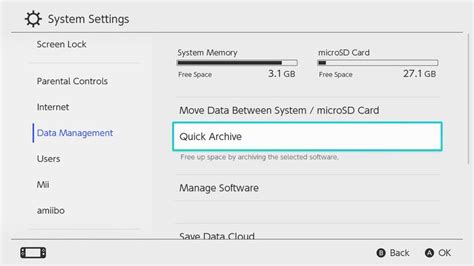
- Archive Unused Games: If you have many digital games, consider archiving ones you’re not currently playing to free up internal storage. Go to ‘System Settings’ > ‘Data Management’ > ‘Manage Software’. This removes the game data but keeps your save data.
- Clear Cache: Over time, the system cache can accumulate data that might affect performance. You can clear it by going to ‘System Settings’ > ‘System’ > ‘Formatting Options’ > ‘Clear Cache’. This won’t delete save data or user data, but it will clear stored network passwords. You’ll need to re-enter them.

Power Cycle Your Console
A simple restart can often resolve temporary software glitches or memory leaks that might be causing lag. Don’t just put your Switch to sleep – perform a full power cycle.
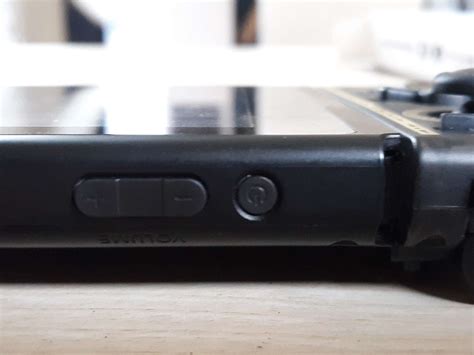
- Hold down the POWER Button for at least three seconds.
- Select ‘Power Options’ > ‘Restart’.
- If it’s unresponsive, hold the POWER Button for twelve seconds to force a shutdown, then press it again to power it back on.
Keep Your Software Updated
Nintendo frequently releases system updates that include performance enhancements, bug fixes, and stability improvements. Similarly, game developers often patch their games to address performance issues.
- System Updates: Go to ‘System Settings’ > ‘System’ > ‘System Update’. Make sure your console is running the latest firmware.
- Game Updates: From the HOME Menu, highlight a game icon, press the ‘+’ or ‘-‘ button, select ‘Software Update’, and then ‘Via the Internet’. Ensure all your frequently played games are up to date.
Consider a MicroSD Card Upgrade
While not a direct fix for in-game lag, the speed of your MicroSD card can affect game loading times and, in some cases, the streaming of assets during gameplay. If you have an older, slower MicroSD card, upgrading to a faster U3 (UHS Speed Class 3) card can significantly improve loading times.
By systematically working through these optimization tips, you should be able to identify and alleviate the causes of lag on your Nintendo Switch. A smoother gameplay experience means more enjoyment and less frustration, letting you get back to what matters: the games themselves!