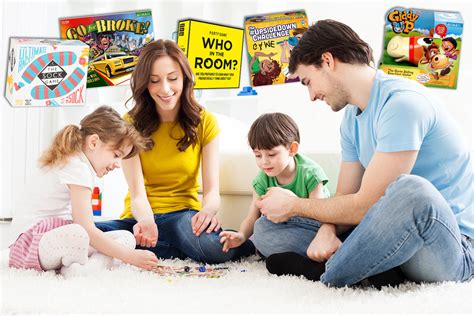
Suggest cozy family games that keep young kids & teens engaged without frustration.

Finding the Perfect Game Night Harmony
Gathering the family for a game night is a cherished tradition, but finding a game that genuinely engages a diverse age range—from energetic youngsters to eye-rolling teens—without leading to frustration can be a challenge. The key lies in selecting games that are easy to learn, offer meaningful choices, and foster cooperation or lighthearted competition. This guide explores cozy, frustration-free games designed to bring smiles and lasting memories to your family.

Games for the Littlest Gamers (and Their Patient Older Siblings)
For families with preschoolers and early elementary children, simplicity and cooperative play are paramount. These games often involve bright colors, tactile components, and straightforward rules, ensuring everyone feels included and successful.
- Hoot Owl Hoot! (Age 4+): A delightful cooperative game where players work together to help owls fly back to their nest before the sun rises. No reading required, and it teaches basic strategy and teamwork.
- Outfoxed! (Age 5+): A charming deduction game where everyone works together to uncover which fox stole the pie. It’s a fantastic introduction to logic and critical thinking, with all players collaborating against the game.
- My First Stone Age (Age 5+): A simplified worker-placement game that teaches resource gathering and simple decision-making without complex rules. It’s beautiful, engaging, and genuinely fun for young children.
Bridging the Age Gap: Cooperative & Creative Fun
Games that encourage creative thinking, storytelling, or cooperative problem-solving are excellent for bringing different age groups together. These options often have a low barrier to entry but offer depth that keeps older players interested.
- Dixit (Age 8+): A beautiful storytelling game where players interpret surreal artwork to create clues. It’s incredibly imaginative and focuses on creative expression rather than intense strategy, making it accessible and engaging for all.
- Ticket to Ride (Age 8+): This classic train-themed game is a perfect entry point for strategic gaming. Its rules are simple to grasp, but there’s enough decision-making to keep teens and adults invested. The goal is clear, and the turns are quick, minimizing downtime.
- Forbidden Island / Forbidden Desert (Age 8+): These cooperative games challenge players to work together to collect treasures before their island sinks or they perish in the desert. They offer escalating difficulty and intense teamwork without direct player-vs-player conflict.

Keeping Teens Hooked: Strategic Yet Accessible
When teens are at the table, games that offer a bit more strategic depth, quick turns, and satisfying gameplay without being overly complex are ideal. These games often have elegant mechanics that are easy to learn but hard to master.
- Sushi Go! (Age 8+): A fast-paced card-drafting game where players try to make the best sushi combinations. It’s quick, strategic, and often leads to much laughter, making it a perfect filler or light main game.
- Splendor (Age 10+): An elegant engine-building game where players collect gems to buy development cards. It’s surprisingly deep for its simple rules, offering satisfying strategic choices in a relatively short playtime.
- Codenames: Duet (Age 11+): While the original Codenames is great, the Duet version offers a cooperative twist, where two players (or teams) work together to identify their agents using one-word clues. It’s a fantastic mental challenge that fosters teamwork.

Beyond the Board: Role-Playing and Storytelling
Sometimes, the best game isn’t a board game at all. Simple role-playing games or storytelling prompts can ignite imagination and create unique family narratives.
- Rory’s Story Cubes (Age 6+): A set of nine dice with various images. Players roll the dice and use the images to create a story. It’s incredibly flexible, boosts creativity, and there are no winners or losers, just shared stories.
- Charades / Pictionary: Timeless classics that require no setup and encourage physical expression and quick wit. Adapt the categories to suit all ages, perhaps creating a ‘kids’ category and a ‘teens/adults’ category for balanced play.
Tips for a Frustration-Free Family Game Night
Even with the perfect game, a few strategies can ensure smooth sailing:
- Set Expectations: Remind everyone that the goal is fun and connection, not just winning.
- Choose Wisely: Don’t force a complex game on tired kids or a simple one on bored teens. Have a few options ready.
- Take Breaks: Especially for longer games or younger players, short breaks can prevent meltdowns.
- Focus on Learning: Frame challenges as learning opportunities rather than failures. Celebrate effort and good sportsmanship.
- Snacks & Ambiance: Cozy blankets, comforting snacks, and perhaps some background music can enhance the relaxed atmosphere.

Conclusion
A successful family game night doesn’t require complex rulebooks or intense competition. By choosing games that cater to a range of ages with accessible mechanics and a focus on fun, cooperation, or creative expression, you can create a truly cozy and engaging experience for everyone. These moments of shared laughter and friendly challenge are what build strong family bonds and create cherished memories for years to come.