Strategies to keep diverse ages engaged in cozy family game nights?
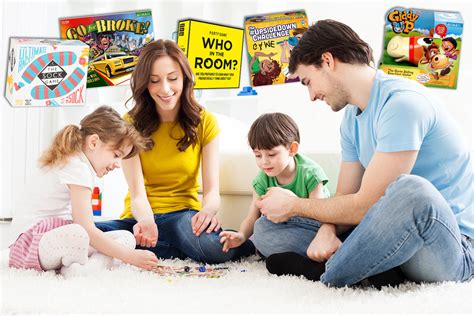
Family game nights are cherished opportunities for connection, laughter, and creating lasting memories. However, bringing together diverse age groups – from energetic preschoolers to contemplative grandparents – can sometimes present a challenge. The key to a successful and truly cozy game night lies in thoughtful planning and a flexible approach that ensures everyone feels included and genuinely engaged. It’s not just about picking a game; it’s about crafting an experience where every family member, regardless of age, finds joy and feels a part of the fun.
The Power of Diverse Game Selection
The foundation of an inclusive game night begins with your game library. Don’t limit yourselves to one type of game. A mix of options caters to different interests and attention spans. Consider having a few simple, fast-paced games for younger children or as warm-ups, alongside more strategic or cooperative games that can challenge older teens and adults. Cooperative games, where everyone works together towards a common goal, are particularly effective as they eliminate direct competition and foster teamwork, making them less intimidating for all ages.
Think about games with adaptable rules or varying difficulty levels. Many modern board games offer simplified versions for younger players or optional advanced rules for veterans. Classics like charades, Pictionary, or even simple card games can be universally appealing. The goal is to have options that allow everyone to participate, even if it means some family members are playing a slightly modified version or acting as ‘helpers’ for younger players.

Setting the Scene for Success
A cozy atmosphere can significantly enhance engagement. Make game night an event! Dim the lights, put on some background music (if it doesn’t distract), and ensure comfortable seating. Snacks are non-negotiable; communal dishes like a popcorn bowl, a fruit platter, or easy-to-eat finger foods can add to the bonding experience. The environment itself should signal a relaxed, fun, and inclusive gathering where the primary objective is enjoyment, not just winning.
Consider the timing as well. While younger children might fade quickly after dinner, older members might appreciate a later start. Experiment to find a schedule that works best for the majority, or be prepared to have shorter sessions for the little ones who might join for the first round and then retreat to another activity.
Involve Everyone in the Process
Engagement skyrockets when everyone feels they have a stake in the evening. Let different family members take turns choosing a game. Even young children can pick from a curated selection of age-appropriate options. Delegate roles: one person can be the snack master, another the game explainer, and another the scorekeeper. This sense of ownership not only lightens the load for parents but also makes each individual feel valued and important to the success of the night.

Flexibility and Adaptation are Key
Sometimes, a game just isn’t hitting right, or someone’s attention is waning. Be prepared to pivot. It’s perfectly fine to switch games after a short round or even take a break for a spontaneous dance party or a quick storytelling session. Adapting rules on the fly to make a game simpler or more challenging can also keep everyone in the zone. For instance, in a trivia game, younger kids might get multiple-choice options or easier questions. Remember, the ultimate goal is connection and fun, not strictly adhering to game rules.
It’s important to read the room. If a child is clearly frustrated or an older family member is feeling overwhelmed, gently guide the game in a different direction or suggest a change. Encouraging breaks, offering alternatives, and maintaining a positive, understanding attitude will prevent anyone from feeling left out or pressured.

Focus on Connection, Not Just Winning
Shift the focus from competition to shared experience. Emphasize laughter, teamwork, and spending quality time together. Celebrate small victories for everyone, whether it’s a clever move by a child or a well-reasoned strategy from a grandparent. Positive reinforcement and a celebratory atmosphere can make everyone feel like a winner, regardless of the final score.
Encourage storytelling and lighthearted banter throughout the game. These moments of spontaneous conversation and shared humor are often the most memorable parts of the evening. After all, a family game night is less about the game itself and more about the invaluable time spent together, strengthening bonds, and creating a bank of happy memories that will last a lifetime.

By implementing these strategies, your family game nights can transcend the challenge of diverse ages and become vibrant, inclusive gatherings where every member, from the youngest to the oldest, looks forward to the next cozy evening of fun and togetherness.