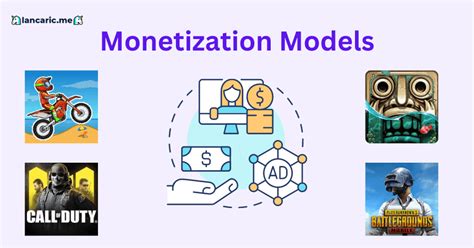
Strategies to avoid ‘pay-to-win’ pitfalls in F2P mobile games?
F2P (Free-to-Play) mobile games dominate the app stores, offering instant access to entertainment without an upfront cost. However, this model often comes with a significant caveat: the “pay-to-win” (P2W) pitfall. P2W mechanics allow players to gain a distinct competitive advantage by spending real money, often leading to frustration and an unfair experience for those who choose not to pay. Understanding these pitfalls and adopting strategies to circumvent them is crucial for both players seeking an enjoyable experience and developers aiming for sustainable, ethical monetization.
Identifying Pay-to-Win Mechanics
Before investing significant time, players should learn to recognize common P2W indicators. These often include:
- Exclusive powerful items: Gear, characters, or abilities only available through premium currency or loot boxes.
- Time-gated progression: Game mechanics that significantly slow down non-paying players, pushing them to pay to speed up.
- Energy systems: Limiting gameplay sessions unless players spend money to refresh energy.
- Direct competitive advantage: Premium items that offer statistical boosts directly impacting PvP outcomes without skill being the primary factor.

Smart Playing Strategies for F2P Gamers
Even in games with P2W elements, players can adopt strategies to maximize their enjoyment without breaking the bank.
Research Before You Commit: Before diving deep, consult reviews, forums, and community discussions. Players often highlight P2W issues upfront. Watching gameplay videos can also reveal how competitive aspects are influenced by spending.
Focus on Skill and Strategy: Many F2P games still reward skill, tactical thinking, and dedicated time investment. Prioritize learning game mechanics, mastering character abilities, and understanding effective strategies over chasing the latest premium power-up. Often, a well-executed free strategy can outperform a poorly utilized paid advantage.
Join Active Communities: A strong guild or clan can provide invaluable support. Teaming up with other F2P players can help overcome paid advantages through coordinated efforts and shared knowledge. Many communities also share tips on efficient F2P progression paths.

Set Personal Spending Limits: If you choose to spend, define a strict budget beforehand. Microtransactions can be insidious. Ask yourself if the purchase genuinely enhances your fun or if it’s merely bypassing an artificial barrier. Prioritize cosmetic purchases that offer personalization over power-ups that destabilize balance.
Ethical Monetization for Developers
Developers have a crucial role in preventing P2W pitfalls and fostering a healthy game economy.
Prioritize Skill Over Spending: Game design should always reward player skill, strategy, and time investment above all else. Monetization should supplement, not replace, core gameplay challenge and progression. Ensure that premium items offer convenience or cosmetic appeal rather than direct, insurmountable competitive advantages.
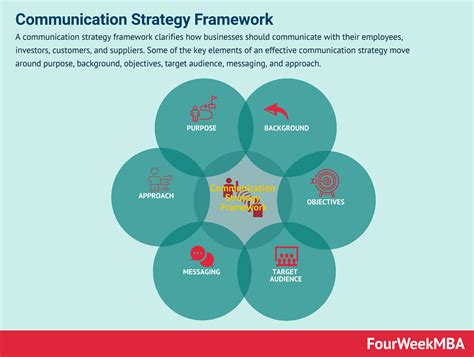
Transparent Communication: Clearly communicate what players are paying for and why. Avoid deceptive practices like manipulative pop-ups or opaque loot box odds. A transparent approach builds trust and fosters a loyal player base.
Regular Balancing and Updates: Continuously monitor game balance. If certain premium items create an unfair competitive environment, be ready to rebalance them. Regular content updates that are accessible to all players, regardless of spending, keep the game fresh and engaging for everyone.

Offer Meaningful Free Progression: Ensure that free-to-play players have a clear, albeit slower, path to obtaining desirable items or reaching competitive levels. Daily rewards, in-game events, and achievable quests that grant premium currency or valuable resources can significantly improve the F2P experience.
Cosmetics and Convenience as Primary Revenue: Focus monetization efforts on items that customize a player’s experience (skins, emotes, base decorations) or offer quality-of-life improvements (inventory space, auto-play features) without directly influencing competitive outcomes. This approach respects player choice and maintains game integrity.
Creating a Sustainable & Enjoyable Ecosystem
The ‘pay-to-win’ model, while lucrative for some developers in the short term, often alienates a significant portion of the player base and damages a game’s long-term viability. By understanding how to identify and navigate these mechanics, players can make informed choices and still find immense enjoyment in F2P titles. For developers, a commitment to ethical monetization that prioritizes skill, fair play, and transparent communication is not just good practice but essential for building a loyal community and ensuring the sustained success of their mobile games. The goal should always be to create an ecosystem where all players feel valued, regardless of their spending habits.