Spotting predatory Gacha: What F2P game mechanics signal poor value or overspending risks?
Free-to-play (F2P) games, especially those incorporating gacha mechanics, have become a dominant force in the gaming industry. While many offer enjoyable experiences without requiring a single cent, a significant portion employs design choices that can subtly, or overtly, encourage excessive spending. For the uninitiated, these mechanics can lead to buyer’s remorse, financial strain, and a diminished enjoyment of the game. Recognizing the red flags is the first step towards protecting your wallet and your gaming experience.
The Illusion of Free: Understanding Gacha’s Core
At its heart, gacha mimics real-world capsule toy machines, offering random items for a small fee. In games, this translates to virtual currencies spent on “pulls” for characters, items, or power-ups. The excitement of a rare drop, combined with the accessibility of F2P, makes it a potent monetization model. However, when these systems are designed primarily to extract maximum revenue rather than provide fair entertainment, they cross into predatory territory.
Low Drop Rates and Manipulative Pity Timers
One of the most obvious indicators of poor value is extremely low drop rates for desirable items. Players might spend hundreds, if not thousands, of attempts without getting the coveted character or gear. While “pity timers” or “sparking” systems guarantee an item after a certain number of pulls, these thresholds are often set so high that reaching them still requires a substantial investment, effectively setting a minimum spend for guaranteed satisfaction rather than a bonus.
Even worse are “soft pity” systems that subtly increase drop rates as you approach the pity threshold, creating a false sense of getting closer when you’re still likely far from a guaranteed pull without further spending.
Time-Limited Urgency and Fear of Missing Out (FOMO)
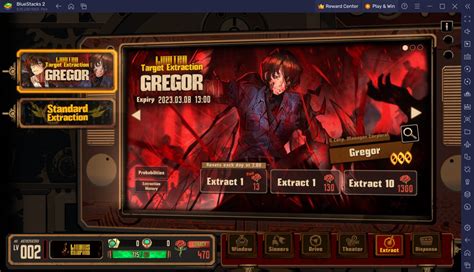
Predatory gacha thrives on urgency. Limited-time banners, seasonal events, and daily login bonuses that expire quickly are all designed to create a “now or never” mentality. This fear of missing out (FOMO) can pressure players into making impulsive purchases, overriding rational decision-making. These offers often feature powerful or unique items that promise a significant advantage, making them even harder to resist.

Obscured Value through Multiple Currencies
Many F2P games introduce multiple layers of virtual currency: premium gems, free gems, event tokens, specific summon tickets, and more. This complexity makes it incredibly difficult for players to track the real-world value of their spending. Converting real money into premium currency, which is then converted into other specific currencies for gacha pulls, effectively obfuscates the true cost per pull, leading to a detachment from actual monetary value.
Furthermore, currency bundles are often priced such that buying just enough for a single desirable pull is impossible, forcing players to purchase larger, more expensive bundles with leftover currency, encouraging further spending.
“Pay-to-Win” and Power Creep
“Pay-to-Win” (P2W) mechanics are a hallmark of predatory design. When the strongest characters, most powerful gear, or essential progression accelerators are locked behind gacha or hefty paywalls, free players are at a significant disadvantage. This creates a frustrating experience where progress is artificially gated, pushing players to spend to remain competitive or even just to enjoy core content.
Aggressive “power creep,” where new, stronger units are constantly introduced to make previous investments obsolete, exacerbates this issue, forcing a continuous cycle of spending just to keep up.

The Vicious Cycle: Energy Systems and Artificial Grinds
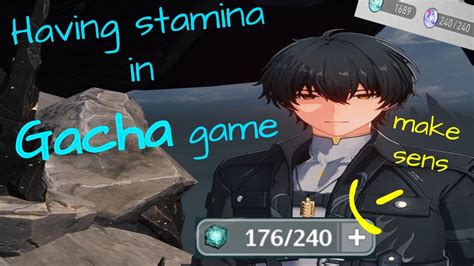
Many F2P games implement energy or stamina systems that limit gameplay sessions. Once depleted, players must either wait for it to regenerate (often slowly) or spend premium currency to instantly refill it. This creates an artificial barrier to enjoyment and progression, subtly pushing players towards microtransactions to bypass the wait. Similarly, excessively long and tedious grind loops for essential materials or experience points are often designed to be so unappealing that spending money to skip them becomes the more attractive option.
Lack of Transparency and Shady Practices
A significant red flag is a lack of clear and easily accessible information regarding gacha odds. While some regions mandate the disclosure of drop rates, others do not, allowing developers to keep players in the dark. Even when odds are disclosed, they can be presented in confusing ways. Moreover, “shadow nerfs” (decreasing the effectiveness of items/characters without clear communication) or unannounced changes to gacha mechanics are highly unethical and signal a predatory intent.
Protecting Your Wallet and Wellbeing
To navigate the F2P landscape safely, cultivate awareness:
- Research Drop Rates: Before investing, check if odds are disclosed and understand what they mean.
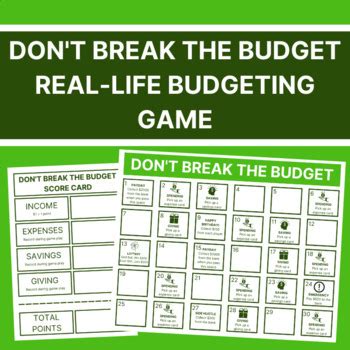
- Set a Budget: Decide beforehand how much, if anything, you’re willing to spend and stick to it.
- Avoid Impulse Buys: If an offer creates a sense of urgency, step back and evaluate whether it’s truly worth it.
- Recognize FOMO: Understand that most “limited-time” items will likely return or be superseded.
- Question Value: Ask yourself if the entertainment value genuinely justifies the cost.
- Track Spending: Regularly check your purchase history in app stores.
Conclusion
While F2P and gacha games can be incredibly fun and rewarding, it’s essential for players to be educated consumers. By understanding the common mechanics that signal poor value or overspending risks—from deceptive currency systems to manipulative time limits and opaque odds—you can empower yourself to make informed decisions, protect your finances, and ensure your gaming experience remains a source of joy, not regret.