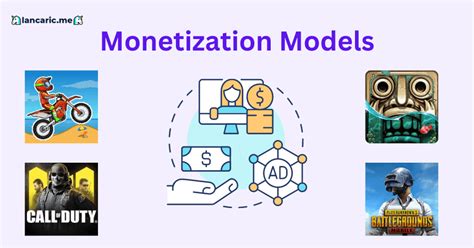
Spot pay-to-win mobile games before downloading to save time and money?
Navigating the Free-to-Play Landscape
In the vast universe of mobile gaming, “free-to-play” often comes with an asterisk. While the initial download may cost nothing, many games cleverly integrate monetization strategies that can quickly drain your wallet and patience. The most notorious of these is the “pay-to-win” (P2W) model, where progress, power, or competitive advantage becomes heavily reliant on in-app purchases (IAPs). Identifying these games before they consume your precious time and money is key to a more enjoyable and budget-friendly gaming experience.

What Exactly is “Pay-to-Win”?
At its core, a pay-to-win game is one where players who spend real money gain significant advantages over those who don’t. This isn’t just about cosmetic items or minor conveniences; it directly impacts gameplay by offering superior gear, faster progression, exclusive characters, or crucial resources that are either impossible or incredibly time-consuming to obtain through free play. Essentially, your success isn’t just about skill or strategy, but also about the depth of your pockets.
Why Does Pay-to-Win Matter?
Beyond the obvious financial implications, P2W mechanics often degrade the overall gaming experience. They can create an unfair competitive environment, foster resentment among the player base, and turn what should be an engaging pastime into a frustrating grind designed to push players towards IAPs. For competitive gamers, P2W destroys the integrity of leaderboards and player-vs-player interactions, while for casual players, it can block access to content or create insurmountable difficulty spikes.
Pre-Download Red Flags: Spotting P2W Early
Before hitting that download button, arm yourself with knowledge. Here’s what to look for:
1. Scrutinize App Store Descriptions and Screenshots
- Language Cues: Look for phrases like “instant power-ups,” “exclusive bundles,” “time-limited offers,” or heavy emphasis on “premium currency.”
- Screenshots: Do the screenshots heavily feature unique characters, powerful weapons, or resources that seem unobtainable through normal play? Often, the most attractive elements are hidden behind a paywall.
- Top In-App Purchases List: Both Google Play and Apple App Store list the top IAPs for each game. If these purchases include large sums for in-game currency, significant boosts, or “starter packs” that offer distinct advantages, it’s a major red flag.
2. Dive into User Reviews
User reviews are your most valuable resource. Don’t just look at the star rating; read the actual comments, especially the negative ones, and those mentioning “in-app purchases,” “P2W,” “greedy,” or “money grab.” Sort by “most recent” or “critical” to get an unfiltered view of common complaints. Pay attention to reviewers who detail how IAPs impact gameplay, balance, or progression.

3. Research the Developer’s History
Some developers have a track record of implementing aggressive monetization. A quick search for the developer’s name and “pay-to-win” or “monetization strategy” can reveal patterns across their other titles. Communities on Reddit, gaming forums, and specialized review sites are excellent places for this research.
4. Consider the Game Genre
Certain genres are inherently more susceptible to P2W mechanics:
- Competitive PvP Games: Real-time strategy (RTS), multiplayer online battle arenas (MOBAs), and competitive shooters often suffer from P2W if purchased advantages impact character stats, weapons, or abilities.
- Gacha Games: These games revolve around a “gacha” (lottery) system where players spend premium currency to randomly acquire new characters, items, or units. While not always strictly P2W, they can be highly predatory due to their gambling-like nature and the sheer cost of acquiring top-tier content.
- Base-Building/Strategy Games: Timers, resource packs, and construction boosts are common IAPs that can accelerate progress unfairly.
- Idle/Clicker Games: While often simpler, many use IAPs to bypass long waits or significantly boost earnings.
5. Look for Specific Monetization Mechanics
- Energy Systems: Games that limit your play sessions with an “energy” bar that refills over time (or by paying) often push you to spend to keep playing.
- VIP Systems: Tiers of VIP status, unlocked by spending real money, granting increasing in-game bonuses and advantages.
- Aggressive Pop-ups: If a game’s advertising features constant pop-ups for new offers or bundles, it’s likely trying to pressure players into spending.
- “Battle Passes” or “Season Passes”: While not inherently P2W, evaluate what benefits the paid track offers. If it provides substantial competitive advantages, it leans P2W.
Early In-Game Indicators (If You Do Download)
Even if you missed initial red flags, a short play session can reveal P2W tactics:
- Immediate Difficulty Spikes: If you hit an unreasonably difficult wall within the first hour of playing, and the suggested solution is to buy something, it’s a bad sign.
- Overwhelming In-Game Shop: If the game’s UI is dominated by banners and calls-to-action for its shop, it signals a strong monetization focus.
- Slow Progression without Spending: If character leveling, resource gathering, or content unlocking feels intentionally sluggish unless you open your wallet, it’s designed to extract money.

Strategies for a Truly Enjoyable Mobile Gaming Experience
Instead of falling into P2W traps, seek out games that offer fair monetization or are simply paid upfront. Look for:
- Premium Games: Many excellent mobile games are a one-time purchase with no IAPs whatsoever.
- Games with Cosmetic IAPs: If all purchases are purely aesthetic (skins, emotes, etc.) and don’t impact gameplay, it’s generally a healthy monetization model.
- Games with Ethical Expansions: Titles that offer genuine content expansions (new levels, characters, stories) as IAPs, rather than just power boosts.

Conclusion: Game Smart, Save More
The mobile gaming landscape is filled with incredible experiences, but also with titles that prioritize profit over player enjoyment. By diligently checking app store details, diving into user reviews, understanding developer history, and being aware of genre-specific monetization trends, you can significantly reduce your chances of downloading a pay-to-win game. Spending a few extra minutes on research upfront can save you hours of frustration and potentially a lot of money, ensuring your mobile gaming remains a source of fun, not financial regret.