Smart F2P: How to spot fair gacha games and avoid overspending traps?
Free-to-play (F2P) gacha games have become a dominant force in the mobile gaming landscape, offering engaging experiences without an upfront cost. However, beneath the surface of free access lies a sophisticated monetization model that, while capable of funding fantastic games, can also lead to significant overspending for unsuspecting players. This guide will equip you with the knowledge to discern fair gacha mechanics from predatory ones and establish strategies to protect your wallet.
The Allure and the Trap: Understanding Gacha Mechanics
At its core, gacha refers to a mechanism inspired by Japanese capsule toy vending machines. In games, players spend virtual currency (often bought with real money) for a chance to receive a randomized item, character, or unit. The thrill of the pull, the potential to acquire a rare and powerful asset, is incredibly potent. Developers leverage psychological triggers like anticipation, collection completion, and social comparison to keep players engaged and spending.
While this model can fund high-quality development, the randomized nature inherently carries risk. Understanding how these systems work is the first step towards smart F2P play.
Spotting a Fair Gacha Game: Green Flags
Not all gacha games are created equal. Some developers prioritize player experience and ethical monetization over aggressive revenue generation. Here are key indicators of a fair gacha system:
- Transparent Drop Rates: Reputable games clearly display the probability of acquiring each item or character. If rates are hidden or vague, be wary.
- Robust Pity Systems: A ‘pity timer’ or ‘spark system’ guarantees a rare item or character after a certain number of unsuccessful pulls. This prevents endless spending without reward and is a strong sign of developer consideration.
- Accessible F2P Progression: Players should be able to clear most content and enjoy the game thoroughly without spending. Core progression should not be strictly tied to having the rarest gacha units.
- Generous Premium Currency Handouts: Fair games provide ample opportunities to earn premium currency through gameplay (daily quests, events, achievements) making it feasible for F2P players to accumulate pulls.
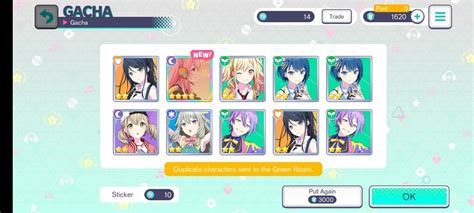
- Meaningful Duplicate Systems: Instead of simply discarding duplicates, fair games often allow them to be used for character upgrades, currency exchange, or other beneficial systems.

Red Flags: When to Be Wary of Overspending
Conversely, certain practices signal a potentially predatory or overspending-prone environment:
- Aggressive Pop-ups and Sales: Constant, intrusive pop-ups promoting limited-time offers or ‘irresistible’ bundles can pressure players into impulse purchases.
- Limited-Time Units & FOMO: Frequently introducing extremely powerful characters or items that are only available for a short period, creating a ‘fear of missing out’ (FOMO) that drives urgent spending.
- Excessive Power Creep: Continuously releasing new characters that significantly overshadow previous ones, forcing players to keep pulling to stay competitive or enjoy new content.
- Lack of Pity or Extremely High Pity Thresholds: Games without a guaranteed rare pull, or those with outrageously high pity counts, can lead to endless spending for nothing.
- Essential Gacha Units for Progression: If core game content becomes difficult or impossible without specific, rare gacha characters, it pushes players towards spending.

Smart F2P Strategies: Guarding Your Wallet
Even in fair games, self-control is paramount. Here are strategies to avoid overspending:
- Set a Strict Budget: Decide beforehand how much, if anything, you are willing to spend per month. Stick to it rigorously, treating it as entertainment money.
- Never Chase the Meta: The ‘meta’ (most effective tactics available) constantly shifts. Resist the urge to pull for every new top-tier unit. Most games can be completed with a diverse, well-built roster of more common characters.
- Research Before You Pull: Watch gameplay videos, read reviews, and check community sentiment about new characters or banners before committing your precious currency.
- Embrace Your F2P Status: Take pride in your ability to progress without spending. Focus on optimizing your current units, mastering game mechanics, and enjoying the content available to you.
- Utilize Free Resources First: Always exhaust all free premium currency, event rewards, and login bonuses before even considering a purchase.
- Avoid Credit Card Linkage: If possible, use gift cards or top-up methods that require an extra step, giving you time to reconsider a purchase.
Beyond the Pull: Community, Content, and Developer Ethics
A truly enjoyable and sustainable F2P experience often extends beyond the gacha system itself. Look for games with vibrant, supportive communities that celebrate smart play and share strategies. Regular, meaningful content updates, story expansions, and new game modes keep the experience fresh without always requiring new gacha units. Finally, observe developer communication and integrity. Are they responsive to player feedback? Do they address balance issues fairly? Ethical developers build trust, which is invaluable in the F2P space.
Conclusion: Empowering Your F2P Journey
Playing gacha games doesn’t have to be a financial risk. By understanding the mechanics, recognizing green and red flags, and implementing smart spending strategies, you can enjoy the thrill and depth these games offer without falling into overspending traps. Be informed, be disciplined, and most importantly, have fun playing on your own terms.