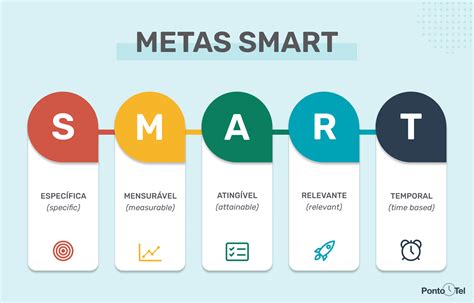
Smart F2P gacha: How to identify predatory monetization before you invest time?
Navigating the Labyrinth of Free-to-Play Gacha Games
Free-to-play (F2P) gacha games have become a dominant force in the mobile gaming market, offering engaging experiences without an upfront cost. However, the business model often relies on in-app purchases, particularly the ‘gacha’ mechanic—a lottery-like system for obtaining characters, items, or other valuable content. While not inherently bad, some implementations can be predatory, designed to exploit psychological vulnerabilities and encourage excessive spending. Before you pour countless hours into a new F2P gacha title, it’s crucial to know how to identify these manipulative tactics.
Understanding these red flags can empower you to make informed decisions, protecting your time, mental well-being, and finances. Let’s delve into the signs that a game might be more interested in your wallet than your enjoyment.

1. Opaque and Accelerated Early Progression
A common predatory tactic is to offer an overwhelmingly generous initial experience. You’ll progress rapidly, receive a deluge of premium currency, and pull powerful characters early on. This creates a false sense of balance and achievement. However, this honeymoon phase quickly ends, often just as you’ve become invested in the game’s world and characters. Key indicators include:
- Sudden difficulty spikes: Content quickly becomes significantly harder, requiring specific rare units or powerful upgrades that are difficult to obtain without spending.
- Drying up of free resources: The generous premium currency supply from early missions and achievements ceases, making further pulls feel like a distant dream.
- Confusing upgrade paths: Systems designed to enhance characters or equipment are overly complex, requiring multiple layers of rare, gacha-exclusive materials.
2. Lack of Transparency in Gacha Mechanics and Rates
The core of a gacha game lies in its pulling system. Reputable games are transparent about the odds of obtaining specific items. Predatory games, however, often obscure these vital details or present them in misleading ways.
- Hidden or buried drop rates: If you have to dig through obscure menus or external websites to find the actual probability rates for rare items, that’s a red flag.
- No ‘pity’ system or high pity thresholds: A ‘pity’ system guarantees a rare item after a certain number of failed pulls. Its absence, or a pity counter that resets with every banner or requires an impossibly high number of pulls, signals a potentially exploitative system.
- Multiple layers of RNG: Needing to roll for a character, then rolling again for their specific weapon, then rolling for perfect stats on that weapon—this cumulative randomness makes desired outcomes incredibly rare and expensive.
3. Excessive Time Gates and Aggressive Energy Systems
Your time is valuable, and predatory games often try to convert that time into money by making basic actions feel incredibly slow or limited without spending. Look out for:
- Restrictive energy systems: An energy bar that depletes too quickly and recharges too slowly, forcing you to wait hours or spend premium currency to continue playing.
- Long timers for essential actions: Building upgrades, character training, or loot box opening that take an unreasonable amount of time unless you pay to accelerate them.
- Artificial roadblocks: Content locked behind daily limits that feel too low, preventing efficient progress without multiple costly resets.
4. Exploiting Fear of Missing Out (FOMO)
FOMO is a powerful psychological trigger, and predatory games are masters at leveraging it. They create a constant sense of urgency and scarcity to push players into spending.
- Frequent, powerful limited-time banners: New, often meta-defining characters or items are introduced with short availability windows, creating pressure to pull immediately.
- Exclusive ‘Battle Passes’ that feel essential: Offering significant progression boosts and exclusive cosmetics behind a paid pass that expires quickly, forcing continuous engagement and spending.
- Aggressive notifications and pop-ups: Constant reminders about expiring deals, new limited events, or perceived missed opportunities designed to pull you back into the game and prompt spending.
5. Unbalanced PvP and Social Pressure
Some F2P gacha games incorporate competitive elements where spending power directly translates to dominance, creating an unfair environment for free players.
- Pay-to-win PvP: Player-versus-player modes where only the highest spenders can realistically compete at the top, leading to frustration for others.
- Leaderboards based on spending: Ranks and rewards are heavily skewed towards those who spend the most, creating social pressure to keep up with ‘whales.’
- Guild or co-op disadvantages: Free players may find themselves unable to meaningfully contribute to guild activities or co-op content without specific gacha units, impacting their social experience.
Making Smart Choices
Ultimately, the goal is to enjoy your gaming experience without feeling exploited. Before dedicating significant time to a new F2P gacha game, take a critical look at its monetization structure. Read reviews, watch gameplay videos, and pay attention to player communities. Are people complaining about unfair mechanics or feeling pressured to spend? If multiple red flags appear, it might be wise to look for an alternative that respects your time and your wallet.
A truly healthy F2P gacha game offers value for money, respects player agency, and allows for meaningful progression even for those who choose not to spend. By being aware and critical, you can navigate the F2P landscape like a smart consumer, investing your time only in games that deserve it.