Should I buy a Switch Lite or OLED for portable indie games?
The Quest for the Perfect Portable Indie Machine
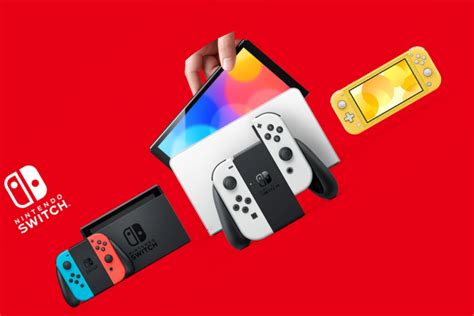
For many gamers, the Nintendo Switch has become synonymous with excellent portable gaming, especially for the thriving indie scene. From pixel-art masterpieces to narrative-driven adventures, indie games often find their perfect home on Nintendo’s hybrid console. But when it comes to dedicated handheld play, a crucial decision looms: should you opt for the more budget-friendly Switch Lite or invest in the premium Switch OLED? Both offer unique advantages and disadvantages that can significantly impact your indie gaming experience on the go.
Screen Quality: A Window to Indie Worlds
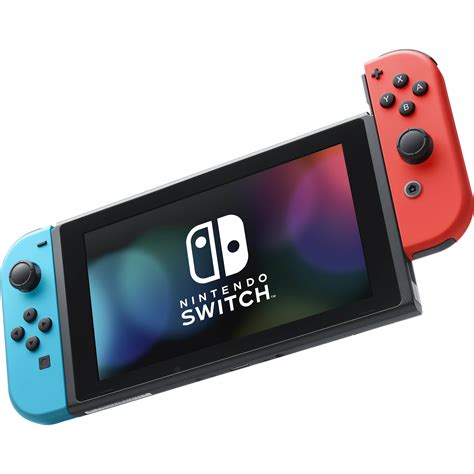
The most striking difference between the two models is undoubtedly the screen. The Switch OLED boasts a magnificent 7-inch OLED display, delivering vibrant colors, deep blacks, and incredible contrast. Many indie games, with their unique art styles and often hand-crafted visuals, truly pop on this screen. Think about the lush environments of Hollow Knight, the atmospheric lighting of Limbo, or the colorful charm of Stardew Valley – an OLED panel enhances these experiences dramatically, making every pixel feel more alive.
In contrast, the Switch Lite features a 5.5-inch LCD screen. While still perfectly functional and offering a decent picture, it can’t match the punchiness and clarity of the OLED. Colors appear less vibrant, and blacks are more of a dark gray. For some, this difference might be negligible, especially if you’re not accustomed to OLED technology. However, if visual fidelity is a high priority for you, particularly for games where atmosphere and art direction are key, the OLED model is a clear winner.

Portability and Comfort: Built for the Road
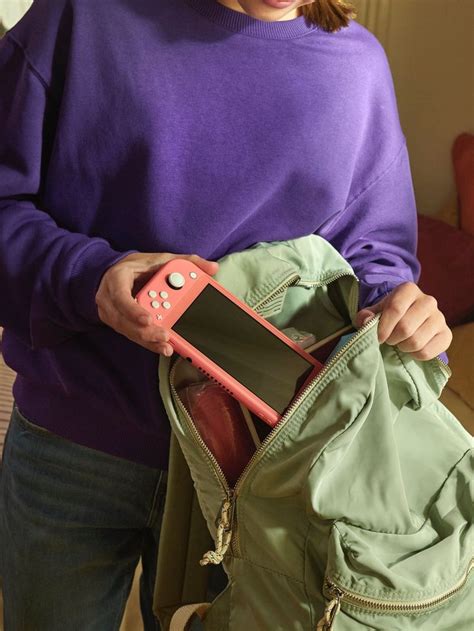
The Switch Lite lives up to its name: it’s lighter (275g vs. OLED’s 320g) and smaller, making it the ultimate dedicated handheld device. Its integrated Joy-Cons mean there are no worries about them detaching accidentally, and its compact form factor makes it incredibly easy to slip into a bag or even a larger pocket. For gamers who prioritize absolute portability and often play in short bursts while commuting or traveling, the Lite’s design is exceptionally appealing.
The Switch OLED, while larger and slightly heavier, is still very much a portable console. Its larger screen means a slightly wider footprint, which some might find less comfortable for extended play sessions in handheld mode, especially if you have smaller hands. However, the larger screen also provides a more immersive view, which can be a boon for certain indie titles with detailed UIs or sprawling maps. The OLED’s built-in kickstand is also a significant upgrade, offering a much more stable and adjustable stand for tabletop play, though this feature is less relevant if your primary use is always holding it.
Battery Life and Other Considerations
Both the Switch Lite and Switch OLED offer comparable battery life, typically ranging from 4-9 hours depending on the game. While the OLED model generally has a slightly longer average battery life due to the efficiency of its screen technology, the difference isn’t usually a deal-breaker. Both are sufficient for most gaming sessions on the go.
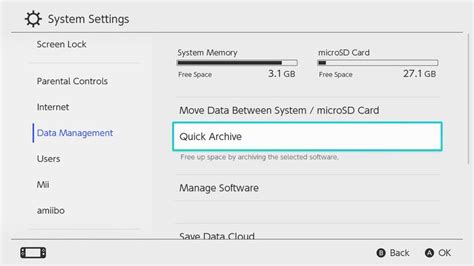
A key difference is the Switch Lite’s inability to dock to a TV. It is a purely handheld console. The Switch OLED, like the original Switch, can be docked to play on a television. While your focus is on portable indie games, having the option to play on a big screen is a versatile bonus, especially if you ever want to share your favorite indie experiences with others or enjoy them from the comfort of your couch. Additionally, the OLED model features improved speakers and double the internal storage (64GB vs. 32GB), which can be beneficial for installing multiple indie titles, though both are expandable via microSD cards.
Making Your Decision: Which One for You?
When choosing between the Switch Lite and OLED for portable indie games, consider your priorities:
- Budget-Conscious Gamer / Ultimate Portability: If price is a major factor and you value the most compact, lightweight form factor above all else, the Switch Lite is an excellent choice. It’s a fantastic, dedicated handheld machine that will run all indie games perfectly well.
- Premium Visuals / Immersive Experience: If you’re willing to pay more for a significantly enhanced visual experience, appreciate deeper blacks and richer colors, and value the larger screen for immersion, the Switch OLED is the superior option. The added versatility of docking to a TV and the improved kickstand are nice bonuses.
Ultimately, both consoles offer a gateway to Nintendo’s incredible library of indie games. The Switch Lite provides an affordable and ultra-portable entry point, while the Switch OLED elevates the visual experience for those who demand the best possible display for their beloved indie titles. Your perfect portable indie machine awaits!