Optimizing Switch performance: Fix lag in big and small games?

Conquering Lag: Smooth Gameplay on Your Nintendo Switch
Lag can be a frustrating adversary for any gamer, turning an immersive experience into a stuttering mess. Whether you’re navigating vast open worlds in a demanding AAA title or enjoying a quick session with an indie gem, an optimized Nintendo Switch can make all the difference. This guide delves into practical steps you can take to iron out performance hitches and restore fluidity to your gaming sessions.
Understanding the Roots of Lag
Before diving into solutions, it’s helpful to understand why lag occurs. On the Nintendo Switch, performance issues can stem from several factors:
- Hardware Limitations: While portable, the Switch has finite processing power and RAM. Demanding games push these limits.
- Software Glitches: Unoptimized game code or system software bugs can cause slowdowns.
- Storage Speed: The speed of your SD card or internal memory affects load times and in-game asset streaming.
- Network Congestion: For online games, a slow or unstable internet connection is a primary cause of lag.
- Thermal Throttling: If your Switch gets too hot, it may reduce performance to prevent damage.

Initial Troubleshooting Steps: The Basics
Sometimes, the simplest solutions are the most effective. Start here before trying more involved methods:
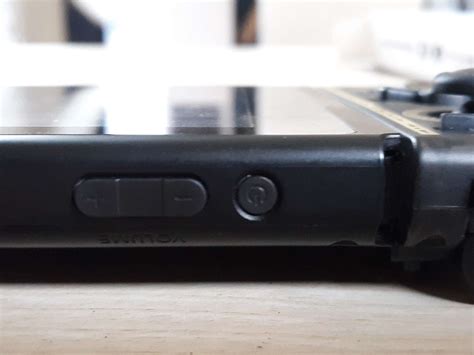
- Restart Your Switch: A full power cycle can clear temporary glitches and free up system resources. Hold the POWER Button for three seconds, then select “Power Options” > “Restart.”
- Update System Software: Ensure your Switch is running the latest system software. Go to System Settings > System > System Update. Nintendo frequently releases updates that improve performance and stability.
- Update Games: Make sure all your games are updated to their latest versions. Developers often release patches to fix bugs and optimize performance. Highlight the game icon on the HOME Menu, press the + or – Button, then select “Software Update” > “Via the Internet.”
Storage and SD Card Management
Your storage setup plays a crucial role in game performance, particularly for larger titles.
- Use a High-Speed SD Card: If you use an SD card for games, ensure it’s a high-speed U3 (UHS Speed Class 3) card. Slower cards can significantly increase load times and cause in-game stuttering as assets struggle to stream quickly enough.
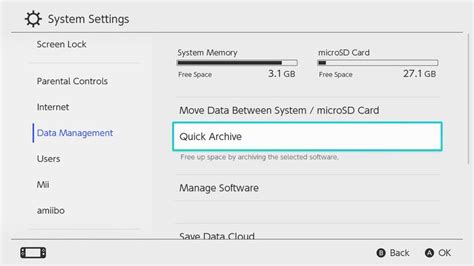
- Free Up Internal Storage: While most games reside on SD cards, some data (like save files and system updates) uses internal memory. Head to System Settings > Data Management to check available space and archive games you’re not currently playing. Archiving removes the game data but keeps your save data.
- Delete Unused Software: If you’ve played a game once and know you won’t return, deleting it entirely will free up space. Remember to re-download if you change your mind.

Optimizing Game Settings and Environment
Tweaking certain settings and your play environment can yield noticeable performance gains.
- Docked vs. Handheld: The Switch generally performs better when docked, as it can access more power and often has a stable connection to a TV, reducing reliance on the smaller internal screen. Some games also feature slightly better resolutions or frame rates when docked.
- Specific In-Game Settings: While rare on Switch, some games offer graphical settings (e.g., resolution scaling, visual quality). If available, reducing these can significantly boost frame rates, especially in demanding sections.
- Improve Network Stability: For online games, a stable internet connection is paramount.
- Ethernet Adapter: Consider purchasing a USB-to-Ethernet adapter for your Switch dock to provide a wired, more stable connection than Wi-Fi.
- Router Proximity: Move closer to your Wi-Fi router or ensure there are minimal obstructions.
- Reduce Network Congestion: Minimize other devices using bandwidth on your network while you’re gaming.

System Maintenance and Advanced Tips
For persistent issues, more in-depth solutions might be necessary.
- Keep Your Switch Cool: Overheating can lead to thermal throttling. Ensure the air vents on your Switch are clear and not blocked, especially when docked. Play in a well-ventilated area. Regularly clean dust from the vents with compressed air.
- Calibrate Control Sticks: While not directly performance-related, stick drift can mimic lag by causing unintended inputs. Calibrate your controllers if you notice drift.
- Factory Reset (Last Resort): If all else fails, a factory reset can resolve deep-seated software issues. WARNING: This will erase all data, including save files, if you don’t back them up via Nintendo Switch Online or transfer them. Consult Nintendo’s official support for detailed instructions on how to do this safely.

Conclusion
Lag can detract from even the best gaming experiences, but with a few targeted optimizations, you can significantly improve your Nintendo Switch’s performance. From basic restarts and updates to managing storage and ensuring a stable network, these steps should help you enjoy smoother, more responsive gameplay across all your favorite big and small titles. Happy gaming!