Optimal structure for beginner game guides to prevent information overload?
Navigating the Beginner’s Journey
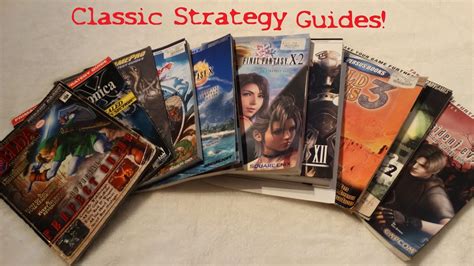
For new players diving into complex video games, the initial hours can be a make-or-break experience. A well-crafted beginner’s guide is crucial, but an poorly structured one can quickly overwhelm, leading to frustration and abandonment. The challenge lies in presenting essential information without triggering ‘information overload’ – a state where too much data, too quickly, paralyzes rather than empowers the learner.
Why Information Overload Harms New Players
When beginners are bombarded with every minute detail, advanced strategy, or obscure mechanic right from the outset, their cognitive load skyrockets. This often results in:
- Decision Paralysis: Unable to determine what’s important, they struggle to make even basic choices.
- Loss of Engagement: Frustration replaces excitement, diminishing the desire to continue learning.
- Ineffective Learning: Key concepts are lost in a sea of irrelevant details, hindering foundational understanding.
An optimal guide structure aims to mitigate these issues, fostering a positive and progressive learning environment.
Core Principles for an Unoverwhelming Guide
1. Start with the Absolute Basics
Begin with what the player immediately needs to know: controls, basic UI elements, and their very first objective. Avoid deep lore, advanced build theory, or end-game strategies at this stage. Think of it as teaching someone to walk before they can run.
2. Embrace Progressive Disclosure
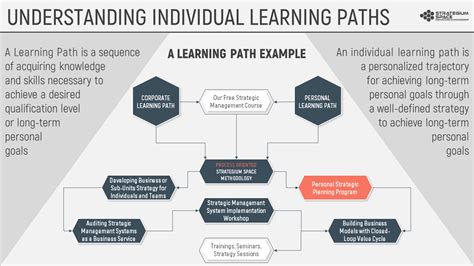
Introduce concepts gradually, building upon previously learned information. Unlock new topics only when the player has demonstrated a grasp of the prerequisites. This phased approach mirrors how many games themselves introduce mechanics, preventing a sudden deluge of data.
3. Chunk Information Effectively
Break down complex topics into smaller, digestible segments using clear headings, subheadings, bullet points, and short paragraphs. Long blocks of text are intimidating. Each “chunk” should ideally focus on a single concept or task.
4. Prioritize Immediate Actionability
Focus on “how-to” information that the player can apply right away. Practical examples and step-by-step instructions are far more valuable than abstract explanations for a beginner. What can they do with this information now?
5. Utilize Visual Aids and Examples
Screenshots, simple diagrams, or short video clips (if applicable, though not for this text-only format) can convey complex ideas much more efficiently than text alone. Show, don’t just tell. When text is used, relate it directly to in-game elements the player will encounter.
A Practical Guide Structure Template
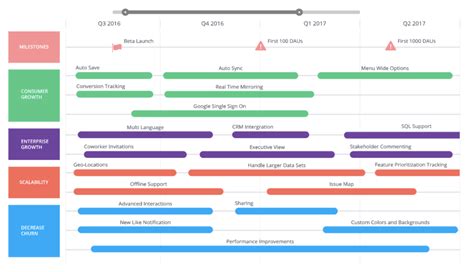
Consider structuring your beginner guide like this:
- Introduction & Setup:
- What is this game about? (Briefly)
- System requirements, installation, initial settings.
- Basic controls (movement, interaction, camera).
- Understanding the HUD/UI (health bar, mini-map, inventory icons).
- Your First Steps:
- The very first objective or quest.
- Basic combat/interaction mechanics (e.g., “how to attack,” “how to pick up items”).
- Navigation tips for the starting area.
- Core Gameplay Loop:
- Explain the main loop (e.g., “gather -> craft -> build -> explore”).
- Introduce essential systems (e.g., inventory management, basic crafting, character progression).
- Common beginner mistakes and how to avoid them.
- Expanding Your Horizon (Early Game):
- Introduce slightly more advanced mechanics relevant to the early-mid game.
- Tips for resource management, basic economy, or early upgrades.
- Suggest clear next goals or paths for the player.
- Further Resources (Optional):
- Link to more advanced guides, wikis, or community forums for those ready to dive deeper.
- Emphasize that the guide focused on foundations.
Conclusion: Empowering the New Player
The goal of any beginner game guide isn’t to impart all knowledge at once, but to empower the new player to confidently take their first steps and feel a sense of accomplishment. By employing a structured, progressive, and digestible approach, we can prevent information overload and ensure a positive, engaging introduction to the game. A well-structured guide transforms confusion into curiosity, setting the stage for a lasting and enjoyable gaming experience.