Navigating mobile game monetization: avoid pay-to-win tactics effectively?
In the competitive world of mobile gaming, monetization is a critical aspect of a game’s longevity and success. However, the path to profitability is fraught with challenges, not least of which is the temptation of ‘pay-to-win’ (P2W) tactics. While P2W can offer short-term revenue spikes, it often alienates players, damages reputation, and leads to a decline in player engagement and retention. The key is to find sustainable monetization models that respect the player base and foster a healthy game economy without sacrificing fair play.
The Peril of Pay-to-Win: Why Players Rebel
Pay-to-win refers to game mechanics where players can gain a significant, often insurmountable, advantage over non-paying players by spending real money. This can manifest as buying powerful equipment, unlocking exclusive characters, or gaining substantial boosts that directly impact gameplay balance. The immediate consequence is a divided player base: those who pay dominate, and those who don’t feel unfairly disadvantaged, leading to frustration and eventual abandonment of the game.
Beyond individual player experience, P2W can erode the competitive integrity of a game, making skill and strategy secondary to spending power. This not only discourages new players but also disheartens veteran players who value meritocratic progression. The long-term impact includes a shrinking community, negative reviews, and a tarnished brand image, making future game launches a harder sell.
Ethical Monetization: Building Trust and Engagement
Avoiding P2W doesn’t mean forsaking monetization. Instead, it requires a shift towards models that add value without compromising fairness. Here are several effective strategies:
Cosmetic Customization and Expression
Skins, emotes, avatars, and other cosmetic items allow players to personalize their experience without affecting gameplay. This model taps into players’ desire for self-expression and social recognition. When cosmetics are well-designed and varied, they can be a significant and ethical revenue stream.
Well-Designed Battle Passes
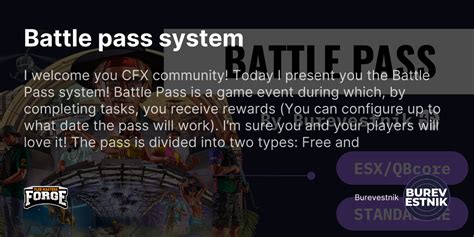
Battle Passes, when implemented thoughtfully, offer a clear progression path with both free and premium reward tiers. The key is that premium rewards should primarily consist of cosmetics, currency for future cosmetic purchases, or non-P2W convenience items. They should never provide direct gameplay advantages that free players cannot eventually earn through dedicated play.
Convenience and Time Savers (Not Power)
Players are often willing to pay for convenience, such as speeding up crafting times, expanding inventory slots, or unlocking quality-of-life features. The crucial distinction is that these purchases should never grant an advantage in power or progression that is unobtainable for free players. They simply save time or offer a more streamlined experience.
Expansions and Premium Content
For games with a deep content pipeline, selling substantial content updates, new levels, characters, or story expansions can be a viable model. This provides significant value for a clear, one-time or episodic purchase, similar to traditional console game DLCs, enriching the game for all buyers without creating an unfair advantage in the core experience.
Rewarded Ads and Subscriptions
Rewarded ads (e.g., watch an ad for a small in-game bonus) offer players a choice to engage with advertising for in-game benefits, generating revenue without direct financial transactions. Subscription models, while less common, can provide a steady income stream for games offering continuous new content or exclusive benefits, provided these benefits don’t create a P2W environment in competitive modes.

Designing Gameplay for Fair Monetization
Effective monetization is not just about choosing the right model; it’s also about designing your game with fairness at its core. This means:
- Prioritizing Skill Over Spend: Ensure that player skill, strategy, and time invested are the primary determinants of success, not the amount of money spent.
- Transparent Communication: Clearly communicate what players are buying and what impact it will have. Avoid deceptive practices or confusing pricing structures.
- Valuing Player Time: Make sure that free progression is genuinely rewarding and achievable, even if it takes more time. Players should feel their time investment is respected.
The Long-Term Rewards of Ethical Practice
Moving away from pay-to-win tactics isn’t just about ethics; it’s a shrewd business decision for mobile game developers. By prioritizing fair play and player experience, games can cultivate a loyal, engaged community that is more likely to spend money on cosmetic items, convenience features, and future content. This approach leads to higher player retention, positive word-of-mouth, and a more sustainable, profitable ecosystem in the long run. Trust is the most valuable currency in gaming, and earning it through ethical monetization is the most effective path to lasting success.