My Switch storage is full! Best SD card & tips for digital games?

Running Low on Space? You’re Not Alone!
It’s a familiar scenario for many Nintendo Switch owners: you’ve just bought a new digital game, excited to dive in, only to be met with the dreaded “insufficient space” message. With many AAA Switch titles easily exceeding 10GB (and some, like The Legend of Zelda: Tears of the Kingdom, pushing over 18GB), the console’s internal 32GB (or 64GB for OLED models) fills up alarmingly fast. Thankfully, expanding your storage is straightforward, and managing your digital library is easier than you might think.
Understanding Switch Storage and Why SD Cards Are Essential
Your Nintendo Switch has a limited amount of internal NAND flash storage. While system files and save data primarily reside here, game downloads, updates, and DLC often take up the bulk of the space. The Switch is designed to be easily expandable using a microSD card. This is where the magic happens – a good microSD card can multiply your storage capacity many times over, allowing you to carry your entire digital game collection with you.
Choosing the Best SD Card for Your Nintendo Switch
Not all microSD cards are created equal. To ensure smooth gameplay and fast loading times, you’ll want to pick the right one.
1. Type: MicroSDXC is a Must
The Nintendo Switch exclusively uses microSD, microSDHC, or microSDXC cards. For the best performance and highest capacities, microSDXC (eXtended Capacity) cards are the way to go. They support capacities from 64GB up to 2TB (though 1TB is currently the largest commercially available and practical choice).
2. Speed: Prioritize U3 and A2 Ratings
Card speed is crucial. Look for these two ratings:
- UHS Speed Class (U1 or U3): U3 cards offer a minimum write speed of 30MB/s, which is faster than U1’s 10MB/s. This impacts how quickly games download and install.
- Application Performance Class (A1 or A2): A-class ratings indicate a card’s ability to handle random read/write operations, which are essential for running apps (like games) efficiently. A2 cards offer superior random performance compared to A1.
While U1/A1 cards will work, a U3/A2 rated card will provide the best experience with quicker game loading times and smoother performance, especially for larger titles. Most modern, reputable microSDXC cards will meet or exceed these recommendations.
3. Capacity: How Much Do You Need?
This depends on your gaming habits. Here’s a general guide:
- 64GB-128GB: Good for light digital gamers or those who mostly buy physical cartridges.
- 256GB-512GB: Ideal for most digital-only gamers who have a decent library but aren’t collectors of every single release.
- 1TB: For hardcore digital collectors who want to download virtually everything without worry.
Remember that even with physical game cartridges, many titles require significant downloads for updates or additional content, so an SD card is still highly beneficial.
4. Reputable Brands
Stick with trusted brands like SanDisk, Samsung, Lexar, and PNY. This helps avoid counterfeit cards that might promise high capacity but deliver poor performance or fail prematurely.

Tips for Managing Your Digital Games and Storage
Once you have a suitable SD card, smart management is key to keeping your Switch tidy.
1. Archive Software, Don’t Delete (Unless Necessary)
When you’re running low on space, the Switch offers two options for installed games:
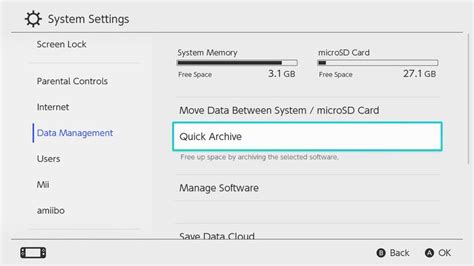
- Archive Software: This is your best friend. It deletes the game data but keeps its icon on your Home menu and, critically, preserves all your save data on the internal memory. You can redownload the game anytime without losing progress.
- Delete Software: This removes everything – game data, updates, and the icon. Only use this if you’re absolutely sure you won’t play the game again and don’t care about its save data (though save data is usually kept separately on internal storage).
To do this, highlight the game on the Home menu, press ‘+’, go to ‘Manage Software’, and choose ‘Archive Software’.
2. Check Your Storage Usage Regularly
Navigate to System Settings > Data Management > Manage Software to see exactly which games and applications are consuming the most space. This makes it easy to identify candidates for archiving.
3. Prioritize Your Downloads
If you have a huge backlog, don’t download every single game at once. Focus on the games you’re actively playing or plan to start soon. You can always download others later.
4. Physical vs. Digital: A Storage Consideration
While digital games are convenient, physical cartridges often require less space on your SD card, as the core game data is on the cartridge itself. Updates and DLC will still consume storage, but the base game is largely self-contained.
Setting Up Your New SD Card
Inserting a new microSD card is incredibly simple:
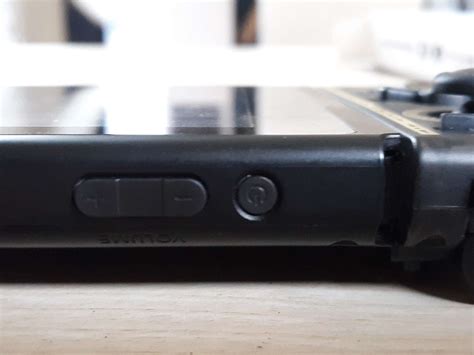
- Turn off your Nintendo Switch completely (hold the power button, then select Power Options > Turn Off).
- Open the kickstand on the back of the console to reveal the microSD card slot.
- Insert the microSD card with the label facing the same direction as the Switch screen, pushing it until it clicks into place.
- Close the kickstand and power on your Switch.
The Switch will automatically detect and format the card. Any new game downloads will automatically go to the SD card, assuming there’s space. If you’re upgrading from an old SD card, you can transfer your data to the new card using a computer, though it’s often simpler to redownload games directly to the new card (your save data is safe on internal storage).

Advanced Tips & Troubleshooting
- Corrupted Data: Occasionally, an SD card can develop corrupted data. The Switch has a tool to check for this: System Settings > Data Management > Manage Software > Check for Corrupt Data.
- Purchase from Reputable Sellers: Always buy SD cards from trusted retailers to avoid fake cards that may have incorrect capacities or poor performance.
- Don’t Remove While On: Never remove your microSD card while the Switch is powered on or in sleep mode to prevent data corruption.

Never Worry About Space Again!
Running out of storage on your Nintendo Switch is a temporary inconvenience, not a permanent roadblock. By investing in a high-quality microSDXC card and adopting smart data management habits like archiving software, you can ensure your digital game library grows as much as your passion for gaming. Get ready to download that next big title without a second thought!