Is a Switch Lite enough for big games? Console choice guide.
When it comes to choosing a Nintendo Switch console, the sleek, handheld-focused Switch Lite often catches the eye due to its appealing price point and portability. However, a common question arises for potential buyers: can this compact device truly handle the expansive, graphically intensive “big games” that the Nintendo Switch library is renowned for? This guide delves into the Switch Lite’s capabilities, its differences from the standard Switch, and ultimately helps you determine if it’s the right console for your gaming habits, especially when it comes to tackling demanding titles.
The Nintendo Switch Lite’s Core Performance
At its heart, the Nintendo Switch Lite shares the same internal processing power as its larger counterpart. Both models are equipped with the same NVIDIA Tegra X1 processor, meaning that in terms of raw CPU and GPU performance, there is no inherent difference. This is a crucial point: any game developed for the Nintendo Switch family will run at the same fundamental frame rate and resolution profile on the Switch Lite as it would in handheld mode on the standard Switch or Switch OLED.
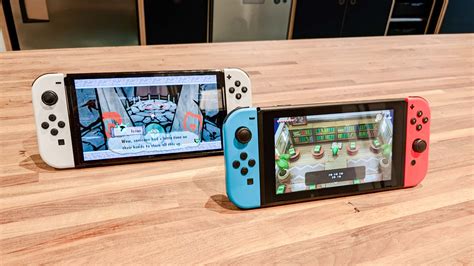
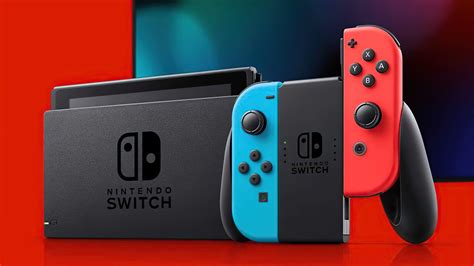
The distinction lies in the display and output. The Switch Lite features a smaller 5.5-inch LCD screen compared to the standard Switch’s 6.2-inch display and the OLED’s 7-inch screen. Crucially, the Switch Lite is a dedicated handheld system, meaning it lacks the ability to connect to a TV. This might sound like a limitation, but for big games, it means the system is always rendering for its native 720p screen, which can sometimes appear sharper due to the smaller pixel density compared to a larger screen showing the same resolution.

Defining “Big Games” on Switch
What do we mean by “big games”? We’re talking about titles like The Legend of Zelda: Tears of the Kingdom, The Witcher 3: Wild Hunt, Doom Eternal, and Xenoblade Chronicles 3. These games push the Switch’s hardware, often featuring vast open worlds, detailed graphics, and complex physics. On the Switch Lite, these games perform identically to how they would on a regular Switch in handheld mode. If a game experiences frame rate drops on the standard Switch’s portable display, it will experience the same on the Lite. Conversely, if it runs smoothly, it will do so on the Lite as well.
The smaller screen of the Lite can sometimes even be an advantage for these games. Intricate details and distant objects might be harder to discern, but the overall image can feel denser and less prone to highlighting resolution compromises that might be more apparent on a larger screen. The tactile experience, however, is purely handheld, with built-in, non-detachable Joy-Cons.
The Portability-Focused Design
The Switch Lite excels in its primary design goal: ultimate portability. It’s lighter, more compact, and its unibody design feels sturdy and comfortable for extended handheld sessions. For gamers who primarily play on the go—during commutes, travel, or simply prefer to game in different rooms of their home without being tethered to a TV—the Lite is an unparalleled choice within the Switch family. Its smaller form factor makes it easier to slip into a bag, and its slightly longer battery life (for some models/revisions) further enhances its mobile credentials.
Key Limitations to Consider
While performance for “big games” is essentially the same in handheld mode, the Switch Lite does come with several crucial limitations that can impact your overall gaming experience, especially if you’re accustomed to console gaming flexibility:
- No TV Output: This is the biggest differentiator. If you ever plan to play games on a larger screen, the Lite is not for you. This impacts local multiplayer, too.
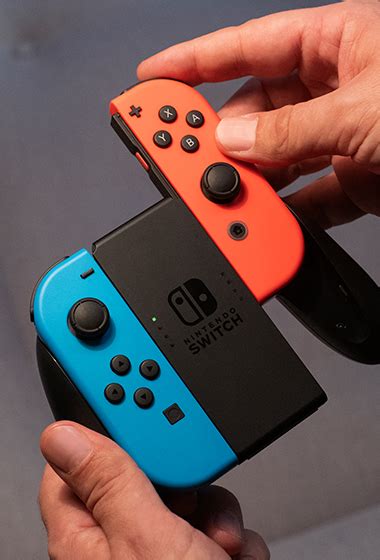
- No Detachable Joy-Cons: The built-in controls mean certain games that require motion controls or have specific Joy-Con detached mechanics (like 1-2-Switch or some sections of Super Mario Party) might be unplayable or require external Joy-Cons to be purchased and paired.
- Harder to Repair: Should the dreaded Joy-Con drift occur, or other issues arise with the integrated controls, repairs are generally more complex and potentially costly than simply replacing a set of detachable Joy-Cons.
- Smaller Screen: While beneficial for pixel density, the smaller screen can make text and intricate UI elements difficult to read in some games.
Who Should Choose the Switch Lite?
The Switch Lite is an excellent choice for:
- Gamers on a budget looking for the most affordable entry into the Switch ecosystem.
- Individuals who exclusively play handheld games and have no desire to connect to a TV.
- Those seeking a more comfortable, lighter, and truly portable handheld device.
- Players who already own a standard Switch and want a secondary, dedicated handheld for travel or as a kids’ console.

When to Opt for the Standard or OLED Switch
If any of the following apply to you, the standard Nintendo Switch or the OLED model would be a more suitable investment:
- You want the flexibility to play games both on the go and on a television.
- You frequently play local multiplayer games with friends or family, requiring detachable Joy-Cons and a shared screen.
- You prefer a larger screen for your handheld gaming, or a vibrant OLED display for superior contrast and colors.
- You might use specific accessories that leverage detachable Joy-Cons (e.g., Nintendo Labo).
- You want easier repairability for Joy-Con related issues.

Conclusion: Performance vs. Features
In conclusion, when it comes to the raw ability to run “big games,” the Switch Lite is absolutely capable. Its internal hardware ensures that titles like Zelda or The Witcher 3 perform identically to how they would on any other Switch model in handheld mode. The decision between a Switch Lite and a standard Switch isn’t about processing power for individual games; it’s about features, flexibility, and your preferred mode of play. If you’re a dedicated handheld gamer who values portability and budget above all else, the Switch Lite is more than enough. However, if the option to play on a TV, detachable controllers for versatile multiplayer, and a larger screen are important to your gaming experience, then the standard Switch or the OLED model remains the superior choice.