Identify predatory mobile game microtransactions before you download?
Mobile gaming has exploded in popularity, offering convenience and a vast library of titles. However, lurking beneath the surface of many free-to-play games are microtransactions – small in-app purchases designed to enhance gameplay. While some are fair and optional, others are predatory, leveraging psychological tactics to pressure players into spending excessive amounts of money. The good news is, with a keen eye and a bit of research, you can often identify these traps before you even download the game.
Understanding Predatory Tactics
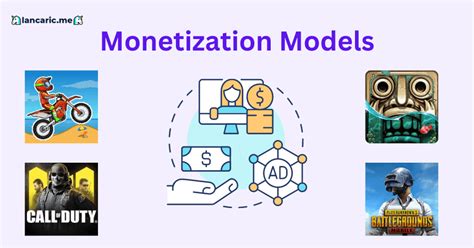
Before you can spot the red flags, it’s crucial to understand what makes a microtransaction system predatory. It’s not just about the existence of in-app purchases (IAPs), but how they’re implemented. Common predatory tactics include:
- Gacha Mechanics: Akin to digital slot machines, these involve spending real money for a random chance to win a desired item, character, or power-up. The odds are often low, encouraging repeated spending.
- Energy Systems/Time Gates: These limit how much you can play without waiting (sometimes for hours or days) or paying to refill an ‘energy bar’ or instantly complete tasks.
- Pay-to-Win (P2W): Games where spending money provides significant, often insurmountable, competitive advantages over non-paying players.
- Manipulative Offers: Limited-time deals, fake discounts, and bundles designed to create a sense of urgency or fear of missing out (FOMO).
- Premium Currencies: Games often use two currencies: one earned through gameplay and another bought with real money. The premium currency is frequently used for the most desirable items or to bypass frustrating bottlenecks.

Scrutinizing App Store Descriptions and Screenshots
The app store page is your first line of defense. Pay close attention to these elements:
- “In-App Purchases” Label: While ubiquitous, its presence warrants deeper investigation. Hover over or tap it to see the price range. Games with IAPs costing hundreds of dollars are a major red flag.
- Keywords: Look for phrases like “VIP access,” “starter packs,” “gem bundles,” or mentions of specific in-game currencies that are clearly designed to be bought.
- Lack of Detail: If the description avoids specifics about monetization and focuses solely on vague gameplay promises, be wary.
- Screenshots: Do the screenshots heavily feature premium currencies, special offers, or UI elements that clearly promote spending? Sometimes, bundles or offers are visible directly in game screenshots.
The Power of User Reviews and Ratings
This is arguably your most powerful tool. Before downloading, scroll through the reviews, especially the critical ones:
- Search Keywords: Use the search function within the review section for terms like “P2W,” “gacha,” “money,” “scam,” “greedy,” “paywall,” or the names of specific in-game currencies.
- Low Ratings with Detailed Complaints: Pay particular attention to 1-star and 2-star reviews that offer specific examples of unfair monetization, forced ads, or gameplay being gated behind purchases.
- Developer Responses: See how developers respond to criticism about monetization. Generic, copy-pasted responses can indicate a lack of genuine concern.
- Recent Reviews: Games can change their monetization tactics over time, so prioritize recent reviews for the most accurate picture.

Researching the Developer and Publisher
A developer’s past behavior is often indicative of future practices. A quick online search can reveal a lot:
- Other Games: Check if the developer or publisher has a history of creating games known for aggressive or predatory monetization. Sites like TouchArcade or even Reddit gaming communities often discuss such patterns.
- Company Reputation: Are there news articles or forum discussions criticizing their business practices?
By taking a few extra minutes to perform these checks, you can significantly reduce your chances of downloading a mobile game designed to drain your wallet rather than entertain you. An informed player is an empowered player, capable of making choices that support ethical game development.