Identify predatory F2P gacha: What mechanics signal unfair monetization?

The Allure and the Trap: Unpacking F2P Gacha
Free-to-play (F2P) gacha games have become a dominant force in the mobile gaming landscape, offering seemingly endless entertainment without an upfront cost. However, beneath the engaging gameplay and vibrant aesthetics often lies a carefully constructed monetization strategy, some of which can be exploitative. Recognizing the red flags of unfair monetization is essential for players to protect their wallets and their enjoyment. This article delves into the specific mechanics that signal a game might be moving from fair business practice to predatory exploitation.

Misleading Odds and Opaque Drop Rates
One of the most immediate indicators of potential predatory behavior is a lack of transparency regarding drop rates for gacha pulls. While some regions mandate the display of odds, how these odds are presented can still be misleading. Games that obscure specific probabilities for individual high-value items, or blend common item odds with rare ones, are often attempting to hide how truly minuscule your chances are. Furthermore, ‘pseudo-random’ systems that feel skewed, or ‘pity timers’ that reset or only guarantee a low-tier reward, can contribute to a sense of unfairness.
Aggressive Time-Limited Offers and FOMO
Predatory games frequently employ aggressive time-limited offers, often for powerful new characters, weapons, or resources. This creates an intense Fear Of Missing Out (FOMO), pressuring players to spend immediately before an opportunity vanishes. These offers are frequently designed to be just slightly out of reach for free players, necessitating a purchase. Coupled with daily or weekly rotating bundles that appear to be ‘great deals’ but are actually inflated, this constant barrage of urgency can lead to impulse spending and buyer’s remorse.

Essential Pay-to-Win Mechanics
While most F2P games offer paid advantages, a predatory game makes these advantages virtually mandatory for progression or competitive play. If reaching higher levels, clearing difficult content, or competing effectively in PvP becomes impossible or excruciatingly slow without significant investment, the game is likely pay-to-win. This often manifests through:
- Power Creep: Continuously introducing new, stronger units that quickly render older, previously powerful units obsolete, forcing players to chase the new meta.
- Resource Scarcity: Making essential upgrade materials or energy extremely scarce through normal gameplay, compelling purchases.
- Gated Content: Designing content that is effectively unbeatable unless players possess specific, rare, gacha-exclusive characters or items.
The Sunk Cost Fallacy and Infinite Grind
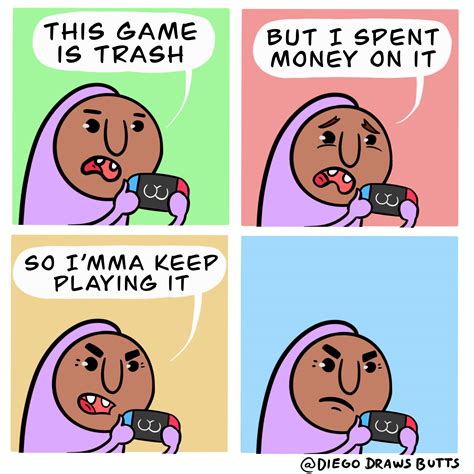
Predatory gacha games are masters of leveraging the sunk cost fallacy. Players who have invested significant time, effort, or money into a game often find it difficult to leave, even if they recognize its exploitative nature. The game might offer just enough ‘free’ rewards or temporary boosts to keep players engaged and hopeful, dangling the carrot of future success just out of reach. This leads to an ‘infinite grind’ where players spend countless hours or dollars chasing an ever-receding finish line, perpetuating their investment.
Psychological Manipulation and Gacha Loop
Beyond monetary mechanics, predatory gacha games often employ psychological tactics to encourage spending. Bright, flashy animations and triumphant sounds accompanying a rare pull mimic slot machines, triggering dopamine releases that reinforce the gambling loop. Personalized offers, subtle nudges to spend when players hit a wall, and community pressure (e.g., leaderboards displaying top spenders) all contribute to an environment designed to make spending feel rewarding, even when it’s not financially sound. The core gacha loop itself, which provides intermittent, unpredictable rewards, is inherently addictive.

Conclusion: Play Smart, Not Exploited
Identifying predatory F2P gacha mechanics requires a discerning eye and a critical understanding of monetization strategies. While not all F2P games are predatory, those that employ opaque odds, aggressive FOMO tactics, essential pay-to-win elements, exploit the sunk cost fallacy, or heavily lean on psychological manipulation should be approached with extreme caution. By recognizing these warning signs, players can make informed decisions, enjoy games responsibly, and avoid falling victim to unfair monetization practices that prioritize profit over player well-being.