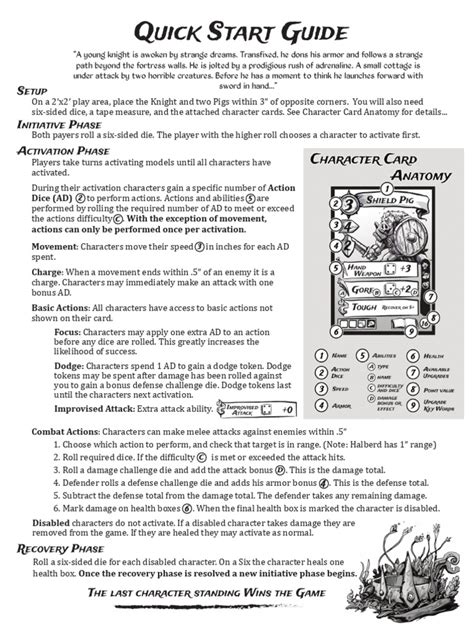
Ideal guide structure for quickly onboarding new players to complex game mechanics?

The Onboarding Challenge: Guiding New Players Through Complexity
Entering a new game, especially one rich with deep systems and intricate mechanics, can be an exhilarating yet daunting experience. New players often face a steep learning curve, bombarded with information, unfamiliar terminology, and complex interactions that can quickly lead to frustration and early abandonment. The success of a complex game often hinges not just on its depth, but on its ability to effectively guide newcomers through its initial labyrinth.
A well-structured onboarding guide isn’t merely a tutorial; it’s a bridge between confusion and competence, designed to transform potential frustration into foundational understanding and sustained engagement.
Why Effective Onboarding Matters for Player Retention
For game developers, player retention is paramount. An effective onboarding experience directly impacts how many new players will stick around long enough to appreciate the game’s full potential. When players feel empowered and understand the ‘why’ and ‘how’ behind game actions, they are more likely to invest their time and continue playing.
Conversely, a poor onboarding process can lead to a significant drop-off, regardless of how brilliant the underlying game mechanics might be. It sets the tone, provides initial successes, and builds confidence, turning potential disinterest into genuine curiosity and mastery.

Core Principles of an Ideal Onboarding Guide
Before diving into specific structural elements, understanding the foundational principles is key:
- Progressive Disclosure: Introduce concepts gradually, revealing complexity only when the player is ready to absorb it.
- Contextual Learning: Explain mechanics within the context of gameplay, showing their relevance rather than abstractly describing them.
- Hands-on Experience: Provide opportunities for players to immediately apply what they’ve learned, reinforcing understanding through practice.
- Clear Call to Action: Always guide players on what to do next, whether it’s trying a new mechanic or exploring a game mode.
- Relevance and Value: Clearly communicate why a particular mechanic is important and how it benefits the player.
The Proposed Guide Structure for Complex Mechanics
1. The Hook & The “Why” (5-10% of Guide)
Start strong. Capture the player’s interest by highlighting the game’s core appeal or a compelling aspect that makes learning worthwhile. Briefly explain the unique experience or rewards that mastering the game mechanics will unlock. This sets the stage and motivates the player.
2. Core Concepts & Terminology (The Foundation) (15-20% of Guide)
Introduce essential game terminology, key systems, and fundamental rules. This section should be concise, focusing on high-level understanding rather than deep dives. Define jargon clearly and establish a shared vocabulary. Use simple analogies where possible.
- Key Terminology Glossary: A quick reference for game-specific words.
- Game Loop Overview: A simplified explanation of the primary cycle of play.
- Basic UI Explanation: Highlight crucial HUD elements and their functions.
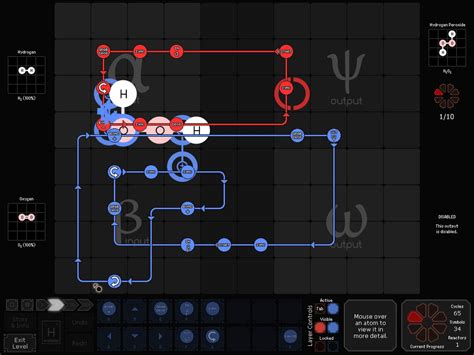
3. Layered Learning: Dive Deeper Incrementally (40-50% of Guide)
This is the heart of onboarding complex mechanics. Break down complexity into manageable tiers, building upon previously learned concepts.
Tier 1: Basic Interactions & Immediate Feedback
Focus on the most fundamental actions a player can take. These should have clear, immediate feedback. For example, in an RPG, this might be movement and a basic attack. In a strategy game, it could be building a single basic unit. The goal is to provide early success and a sense of control.
Tier 2: Intermediate Strategies & Combining Basics
Once basic interactions are understood, introduce how to combine them for greater effect. This tier covers simple strategies, resource management basics, or how two or three core mechanics interact. For instance, moving into cover and then attacking, or managing two types of resources.
Tier 3: Advanced Mechanics & Nuances
This tier delves into deeper systems, synergies, edge cases, and meta-strategies. It’s where players learn about advanced build orders, intricate character abilities, complex crafting systems, or nuanced combat maneuvers. Only present this once the player has a firm grasp of Tiers 1 and 2.

4. Practical Application & Practice Arena (10-15% of Guide)
Learning by doing is crucial. This section provides structured opportunities for players to apply what they’ve learned in a low-stakes environment. This could include:
- Guided Missions/Scenarios: Step-by-step challenges that require using specific mechanics.
- Practice Dummies/Simulation Modes: Environments to experiment without consequence.
- Mini-Games: Simplified versions of core mechanics to hone skills.
5. Troubleshooting & Common Pitfalls (5-10% of Guide)
Anticipate common mistakes or points of confusion. Provide clear explanations and solutions. This shows empathy for the player’s learning journey and prevents early frustration from specific roadblocks.
- FAQ Section: Answers to frequently asked questions.
- “What went wrong?” Examples: Illustrating common errors and how to correct them.

6. Resources & Next Steps (5-10% of Guide)
Conclude by empowering players to continue their journey. Point them towards:
- In-game Help & Codex: Where to find more detailed information within the game.
- Community Forums/Discord: Connect with other players for tips and support.
- Advanced Guides/Tutorials: For those ready to go even deeper.
- First Main Objective: A clear objective to aim for in their first live gameplay session.
Best Practices for Implementing Your Guide
- Use Visuals Extensively: Screenshots, animated GIFs, or short video clips are far more effective than text for explaining visual or dynamic mechanics.
- Keep Language Simple & Direct: Avoid overly academic or technical jargon unless it’s defined.
- Be Concise: Respect the player’s time. Break text into small, digestible chunks.
- Offer Interactive Elements: If possible, embed interactive simulations or quizzes directly within the guide.
- Iterate and Gather Feedback: Continuously test your guide with new players and refine it based on their pain points and suggestions.
Conclusion
Crafting an effective onboarding guide for complex game mechanics is an art and a science. By adopting a structured, progressive approach that prioritizes clear communication, hands-on experience, and player empowerment, developers can transform the initial challenge of learning into a rewarding discovery. A well-designed guide not only reduces player frustration but cultivates a deeper appreciation for the game’s intricate design, laying the groundwork for a loyal and engaged player base.