How to write concise, actionable game beginner guides that truly help new players?

Creating an engaging video game is only half the battle; helping new players understand and enjoy it is the other crucial part. Many promising games lose players in the critical first hours simply because their onboarding experience, including beginner guides, is overwhelming or unclear. This article will break down how to craft guides that are not just informative but truly helpful: concise, actionable, and designed with the new player in mind.
Know Your Audience: The True Novice
The first mistake many guide writers make is assuming a baseline level of knowledge. When writing for new players, assume absolutely no prior experience with your game, or even the genre. They don’t know the difference between an ‘NPC’ and a ‘mob,’ or what ‘aggro’ means. Your guide isn’t for veterans seeking advanced strategies; it’s for someone who just launched the game and is wondering, “What do I do?”
Focus on the absolute essentials: movement, basic interaction, core objectives, and the most fundamental game mechanics. Introduce concepts one at a time, building complexity gradually. Overloading a new player with information too early can be paralyzing.

Embrace Conciseness: Less is More
New players don’t want to read a novel; they want to play the game. Your goal is to provide just enough information to get them moving and understanding, without getting bogged down in minutiae. Every sentence should serve a clear purpose.
Focus on Core Mechanics First
Identify the 3-5 most critical actions or systems a player needs to understand to start playing effectively. Is it moving, attacking, interacting with an object, or completing a first quest? Start there. Advanced systems, lore, and deeper mechanics can be discovered later or covered in separate, more advanced guides.
Avoid Jargon
Speak in plain language. If you must use a game-specific term, define it immediately and clearly. For example, instead of “Use your ultimate to burst down the boss,” say “Use your special powerful ability (often called an ‘ultimate’ or ‘super’) by pressing [Key/Button] to deal massive damage to the enemy.” Gradually introduce terminology once the core concept is understood.
Make it Actionable: Tell Them What to Do
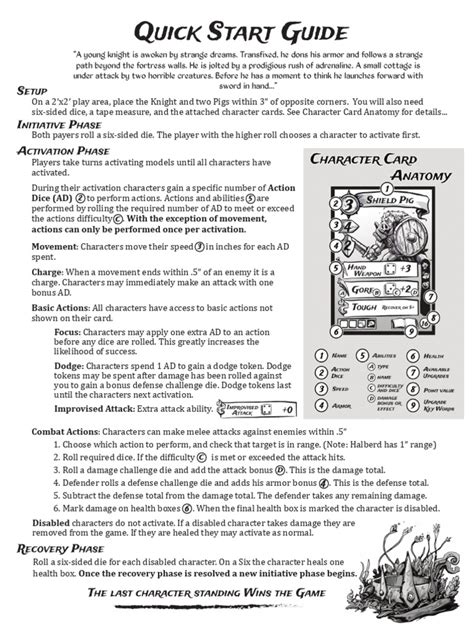
A good guide doesn’t just explain; it instructs. New players need clear, step-by-step instructions that they can immediately follow. Use active voice and direct commands.
Provide Practical Examples and Steps
- “Press ‘W’ to move forward.”
- “Click on the sparkling object to pick it up.”
- “Follow the arrow on your mini-map to reach the objective.”
Show them the input, the expected outcome, and why it’s important. If there’s a specific button or key, name it. Use placeholders for platform-specific controls if needed (e.g., “[A Button]/[X Key]”).
Guide Their Next Steps
After explaining a mechanic, tell them what they should do next. “Now that you can move, try walking to the glowing portal ahead.” This creates a sense of progression and reduces decision paralysis for new players.

Structure for Clarity and Readability
Even concise information can be overwhelming if presented poorly. A well-structured guide enhances readability and makes information easily digestible.
Use Clear Headings and Bullet Points
Break your guide into logical sections with descriptive headings. Use bullet points or numbered lists for steps or key takeaways. This allows players to quickly scan and find the information they need without reading through dense paragraphs.
Visual Aids and Formatting
While this text-based article can’t include actual images, remember that visual aids are invaluable in game guides. Screenshots with highlighted areas, short GIFs, or diagrams can convey information far more efficiently than text alone. For text-only guides, bolding keywords, using italics for important notes, and maintaining consistent formatting are crucial.
Test and Refine: Get Fresh Eyes
The biggest trap for guide writers is familiarity. You know the game inside out, so it’s hard to imagine not knowing something. The only way to truly know if your guide is effective is to have someone completely new to the game (and ideally, the genre) test it.
Observe them as they follow your guide. Where do they get stuck? What questions do they ask? What information do they skip? This feedback is invaluable for identifying gaps, clarifying confusing sections, and streamlining the overall experience. Don’t be afraid to iterate and simplify until your guide truly empowers a brand-new player.

Conclusion
Crafting effective beginner guides is an art that blends clarity, conciseness, and empathy for the new player experience. By understanding your audience, embracing brevity, making instructions actionable, structuring content logically, and rigorously testing your work, you can create guides that don’t just inform, but truly transform a new player’s initial struggles into moments of confident discovery. A great beginner guide isn’t just a document; it’s a welcoming hand that leads players into the heart of your game, ensuring they stick around to explore its depths.