How to tell if a new F2P gacha game respects free player progression?
The allure of free-to-play (F2P) gacha games is undeniable: exciting characters, engaging stories, and the thrill of the pull, all without an upfront cost. However, many F2P titles quickly reveal their true colors, locking meaningful progression behind hefty paywalls. For the dedicated free player, finding a game that respects their time and allows for genuine advancement without constant financial pressure is crucial. But how do you spot the difference early on?
Generous Initial Resources and Daily Income
One of the first indicators of an F2P-friendly gacha game is the generosity of its premium currency and resource distribution. A truly respectful game will offer a substantial amount of its premium currency (often used for gacha pulls) through story progression, daily quests, login bonuses, and various in-game achievements. Pay close attention to the income versus expenditure ratio.
Does the game provide enough free currency to perform a significant number of gacha pulls within a reasonable timeframe (e.g., a multi-pull every few days or once a week)? Or does it dole out a paltry sum that makes saving for a single pull feel like an eternity?
Accessible Events and Meaningful Free Rewards
Events are the lifeblood of many gacha games, offering unique content and valuable rewards. A game that values its F2P audience will design events that are completable without requiring specific paid units or excessive grinding that necessitates stamina refills. Look for:
- Event Participation: Can F2P players easily participate and complete most (if not all) event stages?
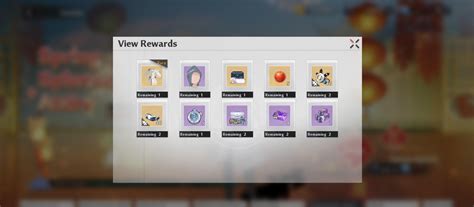
- Reward Value: Do events offer meaningful rewards like high-tier upgrade materials, significant amounts of premium currency, or even free ‘welfare’ characters that are competitive?
- Fair Difficulty: Is the event difficulty curve manageable, allowing progression through skill and planning rather than purely character power born from spending?
Viable F2P Units and Team Building Options
A common pitfall in predatory gacha games is making starter or easily obtainable units completely obsolete within the first few hours, forcing players to pull for new ones. A good F2P game ensures that:
- Starter Units Remain Relevant: Initial characters or units given freely are capable of tackling a significant portion of the game’s content, especially with proper investment.
- Diverse Team Building: There are multiple viable team compositions that don’t rely solely on the latest banner units. Strategy and synergy should outweigh raw individual power of rare units.
- Easy Unit Acquisition: Lower rarity units or specific F2P-friendly characters are readily available and provide utility that even ‘whale’ teams might benefit from.

Fair Gacha Pity and Sparking Systems
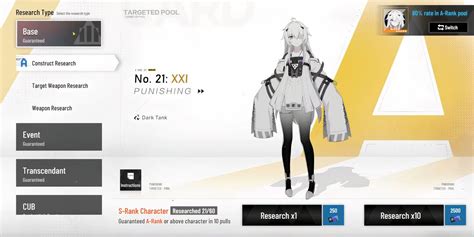
The gacha system itself can be a major red flag or a beacon of hope. A crucial element for F2P players is the presence of a ‘pity’ system, guaranteeing a rare unit after a certain number of failed pulls. Beyond just a pity, consider:
- Pity Count: Is the pity count reasonable (e.g., 100-200 pulls for the highest rarity)?
- Sparking/Exchange: Can you ‘spark’ or exchange accumulated pull currency for a specific banner unit after hitting a certain threshold?
- Off-Banner Rates: Does the game dilute the premium banner pool with too many irrelevant off-banner units, making it harder to get what you want even with pity?
Progression Without Artificial Paywalls
Many games throttle F2P progression by limiting access to essential resources (gold, experience, upgrade materials) or by imposing overly restrictive stamina/energy systems. Signs of a respectful game include:
- Sufficient Resource Dumps: Daily missions, story stages, and side content should provide ample resources to level up and enhance your units without hitting sudden, insurmountable walls.
- Generous Stamina/Energy: The stamina system should allow for substantial play sessions without forcing purchases. Fast regeneration rates, frequent stamina refills from events, or higher maximum caps are positive signs.
- Time vs. Money Balance: F2P players should be able to achieve similar progression to paying players, albeit over a longer period, rather than being fundamentally capped.

Balanced Competitive Modes
If a gacha game features PvP or competitive leaderboards, this area can quickly become a ‘whale playground’. A game that respects its F2P base will:
- Separate Ladders: Offer different competitive tiers or modes where F2P players can realistically compete, or where rewards are based on strategy and effort rather than raw character power.
- Limited P2W Advantages: While some advantage for spenders is expected, the gap shouldn’t be so vast that F2P players stand no chance. Skill and team synergy should still matter.
- Meaningful F2P PvP Rewards: Even if they can’t reach the top, F2P players should still be able to earn valuable rewards from competitive modes.
Developer Transparency and Community Engagement
Finally, the developer’s attitude towards its player base is a massive indicator. Look for:
- Open Communication: Developers who actively communicate balance changes, future plans, and address player concerns (especially those of the F2P community).
- Responsive to Feedback: A willingness to adjust game systems, event designs, or gacha rates based on community feedback.
- Regular Updates: Consistent new content and quality-of-life updates that benefit all players, not just those who spend.
Ultimately, discerning whether a new F2P gacha game respects free player progression requires a keen eye and a bit of initial investigation. By evaluating these key areas, you can make an informed decision and invest your valuable time into games that truly offer a rewarding experience without constantly opening your wallet.